



No products added!
A Social Currency That Costs Almost Nothing
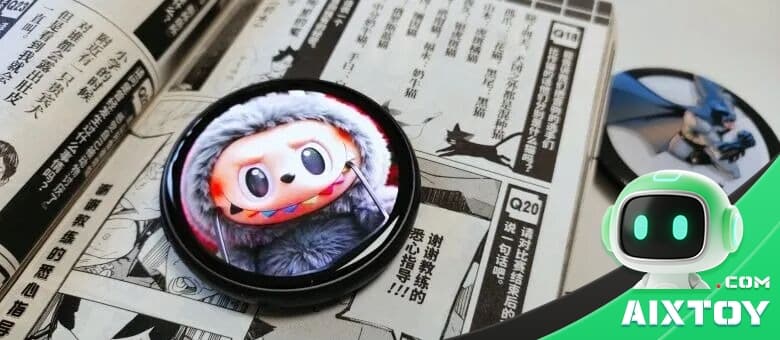
In real life, giving someone applause requires physical presence, emotional energy, and sometimes overcoming social shyness. The electronic clicker toy — known as baji here — strips that cost to near zero. One press, one crisp sound, and the recipient feels seen and acknowledged. This near-effortless exchange is the secret behind its viral spread. When three kids in a class hang a baji on their backpacks, the fourth gets curious and asks about it. Before long, it becomes a passcode — a social handshake. Kids swap clicks, listen to whether the sound is sharp or muffled, compare colors, and suddenly there is a conversation. No grades required. No personality filter. Extroverts and introverts alike hold equal membership in this tiny plastic club.
A Social Ticket With No Words Required
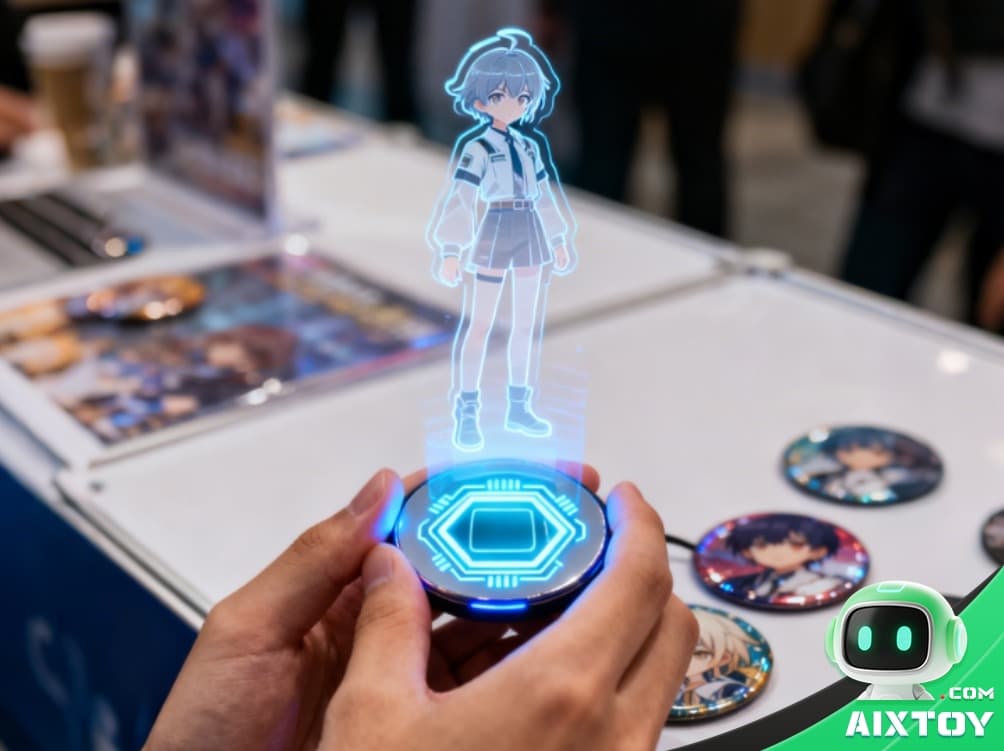
This kind of belonging — one that demands no social skill whatsoever — is a quiet relief for many children. Especially for those who are not naturally outgoing, the electronic clicker hands them a social admission ticket without a single word printed on it. It is the modern equivalent of the erasers, folded paper stars, and fidget spinners that previous generations carried. These objects were never just “play.” They were the first allies children found for themselves when facing a big and complicated world. The clicker toy is simply the newest version of that ally.
Where Does This Category Go Next? Three Upgrades to Watch
The ceiling for this product category may be much higher than it appears. The next evolution will likely unfold along three axes.
1. Material and tactile refinement. Today’s clickers are mostly standard plastic. Future versions could explore silicone softness, frosted metal coolness, and warm wood textures. Different tactile sensations trigger different emotional responses. Combined with insights from tactile toy design, a clicker could evolve into a customizable sensory emotion regulator — a fidget device that also soothes.
2. Personalized sound and AI content. Current clickers produce a single fixed sound. Technically, nothing prevents users from uploading custom sounds. Connected to large language models, clickers could take on distinct personalities — a cheerful study companion, a calming presence, a tiny storyteller. The clicker stops being a gadget and becomes a character.
3. Emotional data visualization. This sounds futuristic, but the logic is sound. Paired with a smartwatch or a parent’s phone, a clicker could record pressing frequency and timing. Algorithms could detect patterns — for example, a spike in clicks at a particular time of day — and give parents a gentle signal: your child may feel more anxious around this hour. With rigorous privacy safeguards, this transforms what adults see as a trivial toy into a window into a child’s inner state.
Every Generation Finds Its Own Small Ally
Instead of rushing to judge whether electronic clickers are useful or a waste of time, perhaps the better move is to crouch down and look: what method are our children quietly using to take care of their own emotions? Every generation has its small objects — erasers, paper stars, spinner toys. They were never just toys. They were the first allies children found in a world they were still learning to navigate. The electronic clicker is simply the newest addition to that quiet, resilient tradition.
At AIXTOY, we watch every corner of the toy world — from the simplest clicker to the smartest robot. Explore our AI plush toys, desktop companions, DIY robot kits, and shop the full collection.
Tags:AI ToyAIXTOYChild DevelopmentClicker ToyedtechElectronic ToyFidget ToyKids TrendSensory ToySocial Toy