


No products added!
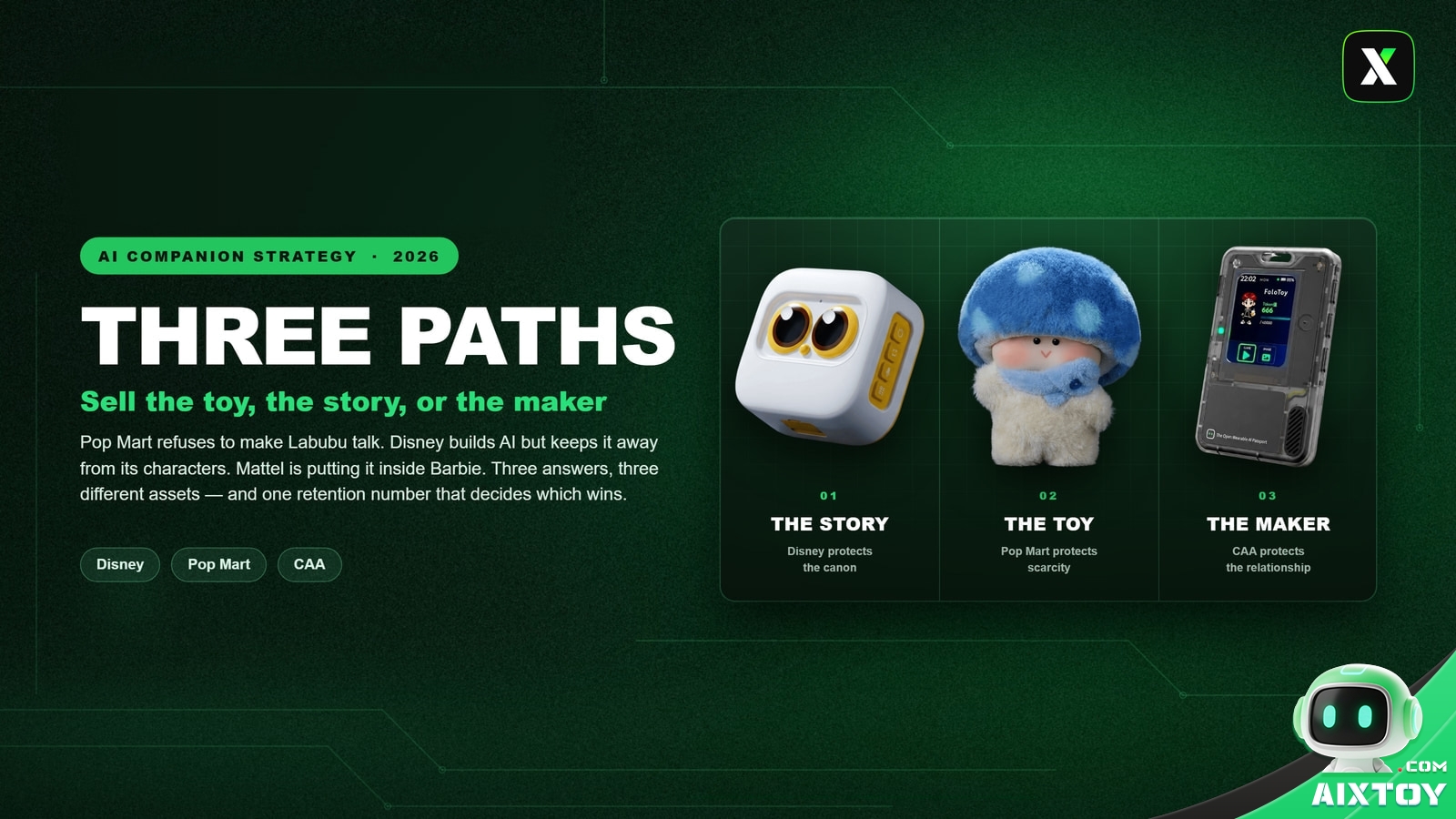
Three companies looked at the same technology this year and gave three different answers. Pop Mart refused it. Disney built it and kept it away from its characters. Mattel signed a deal to put it inside Barbie.
Pop Mart says no, Disney says not yet, Mattel says yes
Pop Mart’s founder, Wang Ning, has been asked more than once to make Labubu talk. He has refused both times, and the reasoning matters more than the refusal. He does not want AI added for AI’s sake — a talking Labubu is, in his words, something the company does not currently need to do. The argument underneath it is a claim about product lifetimes: once a toy gains a function, it starts to age. A figure that does nothing cannot become obsolete. His slogan for the business translates awkwardly into English but lands precisely — in the emotional economy, useless is useful.
The market has priced that belief. In June a first-generation mint Labubu sold at auction for ¥1.08m, roughly US$150,000, on scarcity alone. Nothing in that number improves if the figure can also answer questions about the weather.
Disney has the opposite appetite and the same caution. It has built its own AI systems — one for internal content work, one for operations — and it still has not put a conversational version of LinaBell or any headline character on sale. Mattel has gone furthest, agreeing with OpenAI to put AI into Barbie and other core brands.
Three companies, one technology, three answers. None of them misunderstands what a large language model can do. Each is protecting a different asset.
The classification that makes the three answers legible
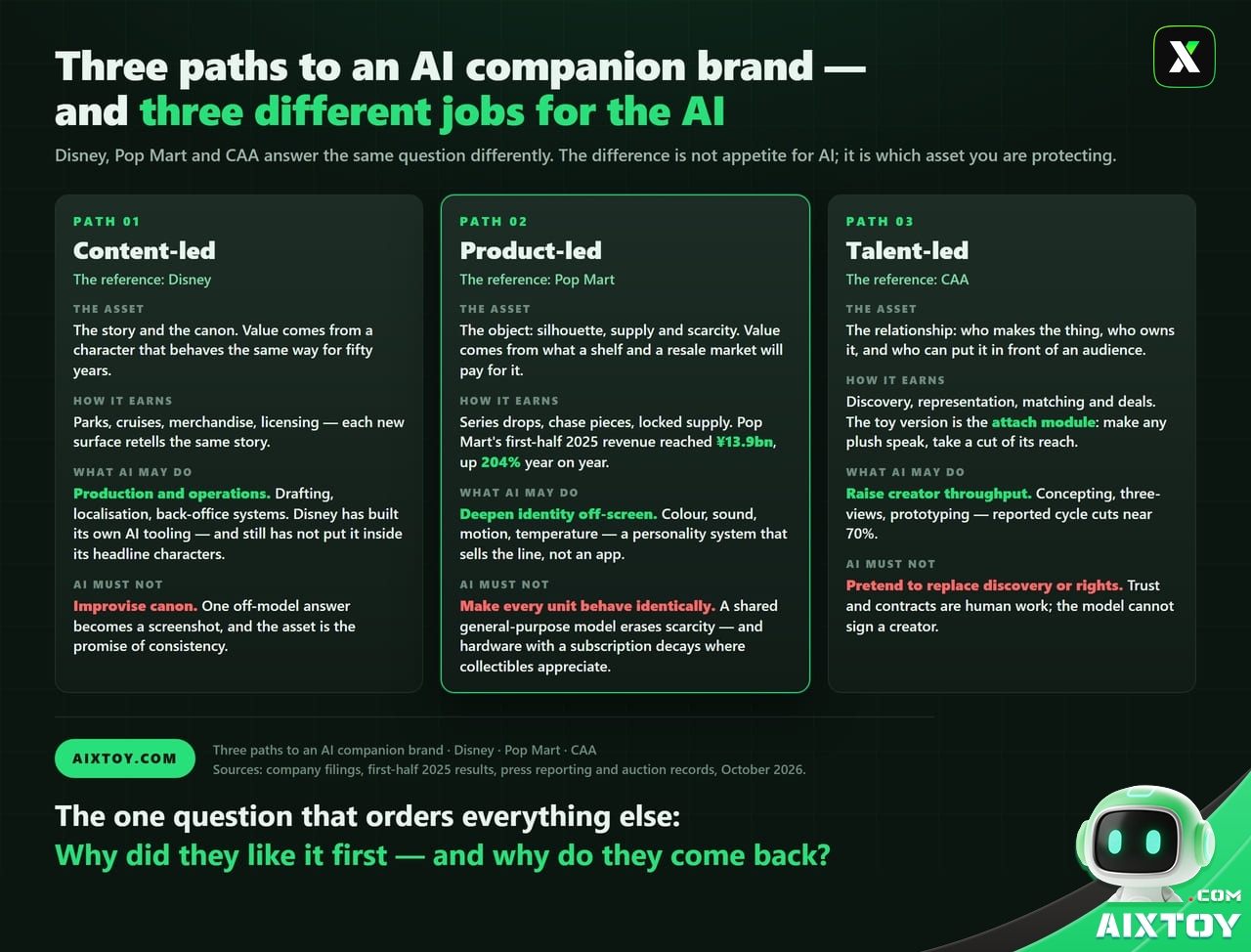
A framing has been going around among Chinese hardware founders that sorts character businesses into three paths: content-led (Disney), product-led (Pop Mart) and talent-led (CAA). It is borrowed from the way the licensing industry already describes itself, and its usefulness is that it forces one question before any product decision: which asset are you protecting?
Content-led. The asset is the story and the canon. The money comes from parks, cruises, merchandise and licensing, where every new surface retells the same story to a new audience. AI belongs in production and operations. It must not be allowed to improvise canon.
Product-led. The asset is the object — silhouette, supply, scarcity. The money comes from series drops, chase pieces and a resale market that prices the rare ones. AI can deepen the object’s identity off-screen: colour, sound, motion, a personality system that sells a line rather than an app. It must not make every unit behave identically.
Talent-led. The asset is the relationship — who makes the thing, who owns it, and who can put it in front of an audience. The money comes from discovery, representation, matching and deals. In toys the analogue is the attach module: make any plush speak and take a cut of its reach. AI raises a creator’s throughput. It cannot find talent or sign a contract.
Mature companies run one path and rent the others. Disney runs an enormous merchandise and parks business; Pop Mart does content, artist partnerships and offline experiences. What stays constant is the primary asset. Trouble usually starts when a company tries to lead with two at once.
Content-led: the AI is not allowed to write canon
The reason Disney can build AI systems for its back office while keeping its characters scripted is that the asset is a promise of consistency. A character that has behaved a certain way for fifty years is valuable precisely because it will keep behaving that way; every retelling has to fit a canon that someone signs off on. A language model is a machine for producing plausible continuations, which is close to the opposite of a promise of consistency. One off-model reply becomes a screenshot, and screenshots do not expire.
So the technology is used where being wrong is cheap — drafting, localisation, internal tooling — and kept out of the places where being wrong is expensive. The cost of that discipline is real: the world’s best-resourced character company cannot ship a talking LinaBell this quarter even if the market is asking for one.
Luka StoryTeller
$103.99
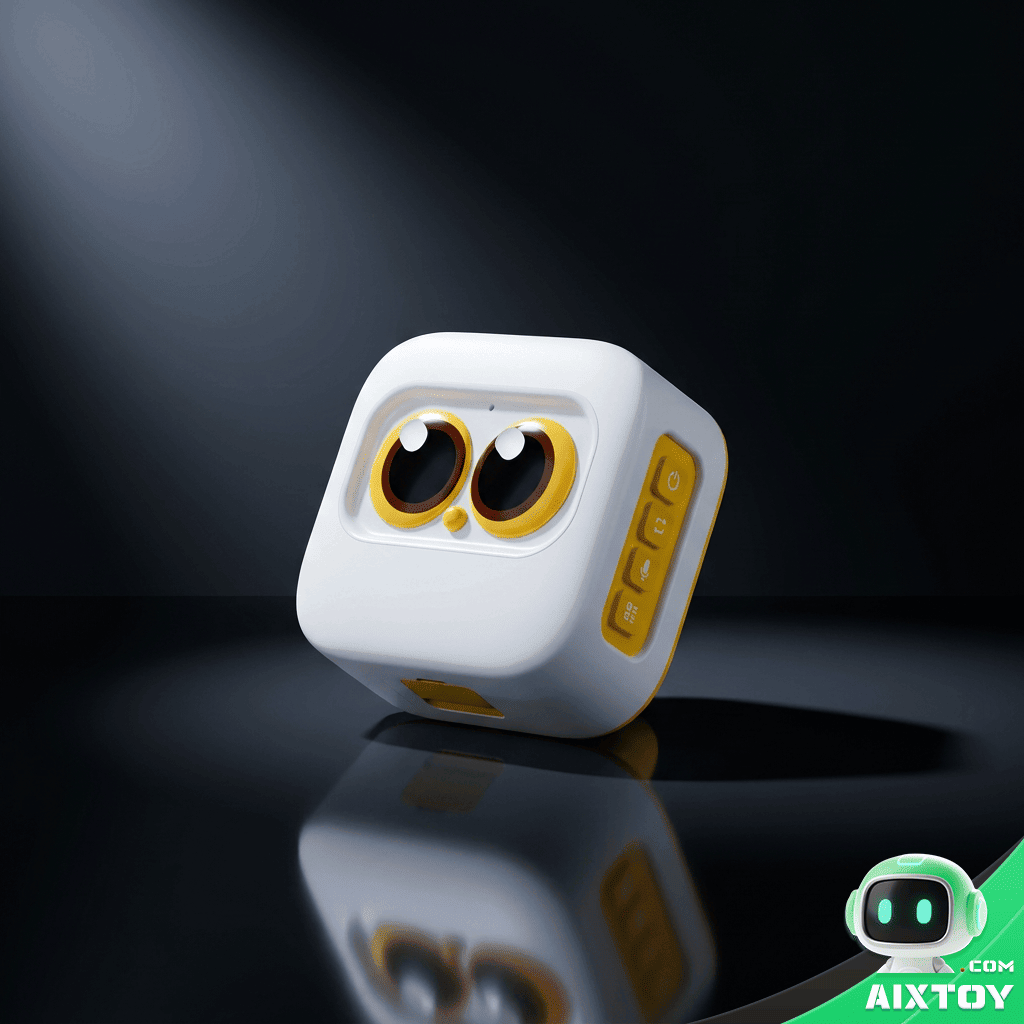
Path 01 · content-led. The content path in hardware: the robot exists to deliver stories someone else owns, so the library — not the device — is the asset. Audio-only and built around a catalogue of published books rather than open-ended chat, which is the same discipline Disney applies to its characters, at toy scale.
Product-led: AI attacks the two things that make a toy collectible
Pop Mart’s first-half 2025 revenue reached ¥13.9bn, up about 204% year on year, on scarcity and resale rather than on engagement. Two of the mechanisms underneath that number are exactly what consumer AI damages.
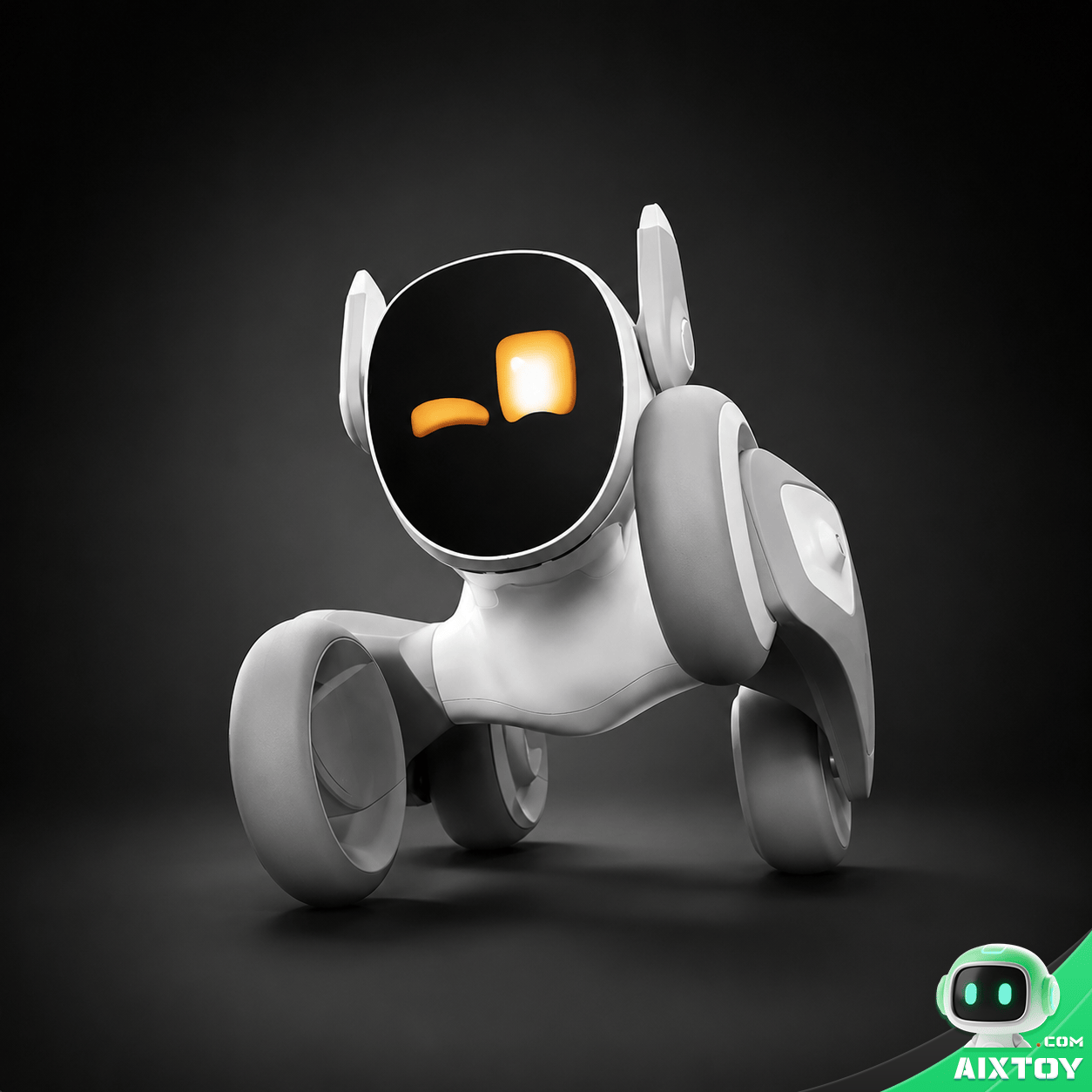
Scarcity. Figure 5,000 of 6,000 is rare; a companion is not. Every AI companion runs a general-purpose model, so interaction logic converges across brands — the moat has to be built outside the model. Appreciation. A mint Labubu appreciates while a ¥3,000 robot with a monthly fee depreciates twice: the hardware ages and the subscription is a recurring bill. The most honest version of this trade is LOVOT, which costs ¥29,800–36,680 up front plus ¥880 a month, and has sold in the region of 15,000 units worldwide. It is a lovely product. It is not a collectible, and its owners will never pretend otherwise.
The collector’s verdict is the cleanest evidence available. Asked whether he would buy an AI version if Pop Mart made one, a long-time collector said no, because there would be no collection value in it — you replace your phone every year, he pointed out, but you do not buy the whole series.
Where AI does earn its place for a product-led brand is narrower than it looks: personality as a merchandise system. Fuzozo, the ¥399 fur ball, ships in five colours that map to five personalities, and buyers pick a temperament the way they pick a colourway. At its peak it moved more than 20,000 units a month and about ¥120m in its first year, with a Douyin tag of user-generated “raising my Fuzozo” videos past 70 million views. The AI is not the product. The organised personality grid is.
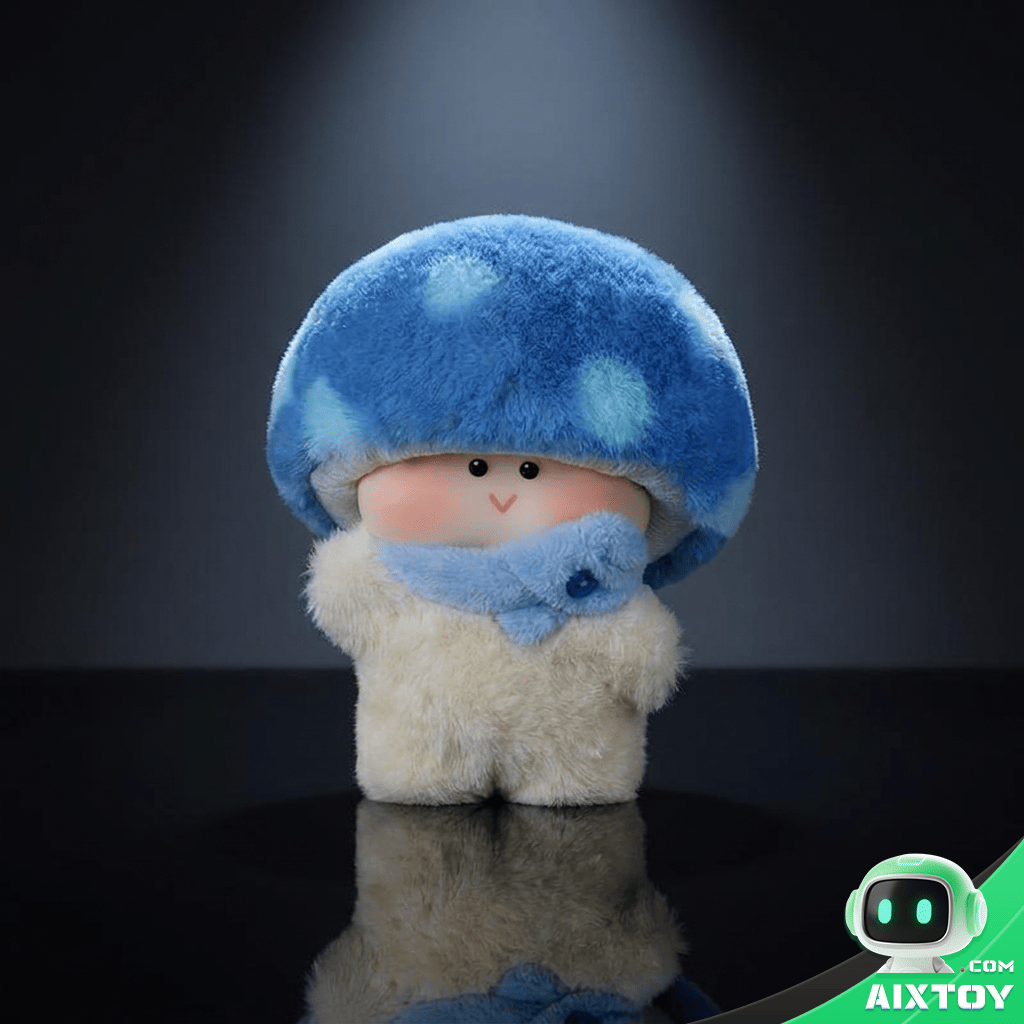
Sowii Mushroom Blind Box
$34.99
Path 02 · product-led. Pop Mart’s logic in a single SKU: a sealed box, a series to complete and a chase item. The value sits in the set and the ratios, not in anything the plush can do — the cleanest example in our catalogue of an object that appreciates for reasons no language model can improve.
Talent-led: the moat is the deal, not the model
CAA’s business is discovery, representation, matching and dealmaking. AI can raise a creator’s output substantially, and it can do nothing about finding talent, holding a relationship or signing a contract. That asymmetry is the whole path.
The toy industry already has an accidental version of it: the attach module. BubblePal is a ¥499 puck you clip onto a plush you already own, turning someone else’s character into a talking one; by mid-2025 it had passed 250,000 units. FoloToy’s module ships inside other companies’ products — a viral ByteDance plush used it — with FoloToy’s own toys as the fallback. Chinese wholesale lists comparable AI cores from about ¥39. If you own the attach point you can be neutral across characters, which is a far better position than owning one moderately popular robot.
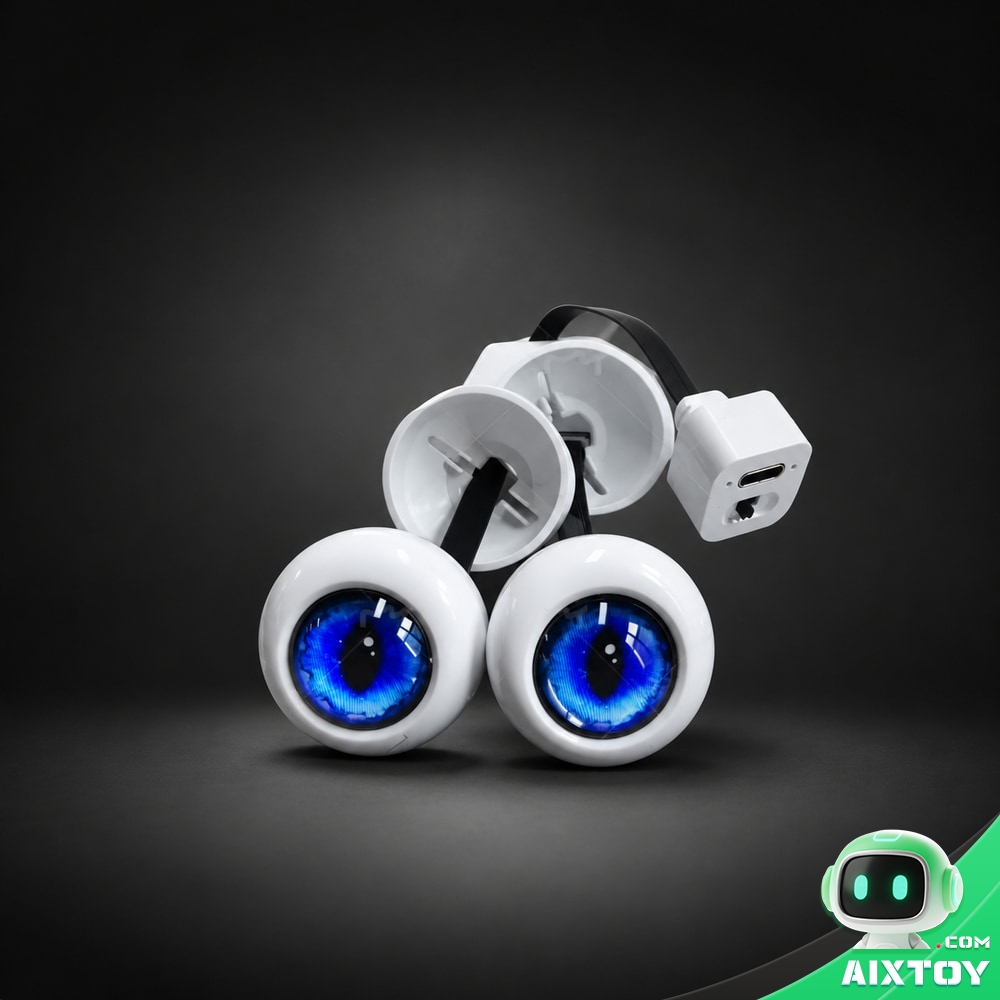
AI Animated Eyes Plush Module
$42.99
Path 03 · talent-led, the attach point. The cheapest version of the layer the whole path is fought over: a Bluetooth module that gives any plush you already own moving eyes. You are not buying a character, you are buying the part that makes someone else’s character react.
That is also why platforms fight over this layer, and why the terms matter more than the demo. Meta’s Muse Gadgets SDK ships with a token that is personal and non-commercial: no embedding a token in hardware you sell, no marketplace listings, a 50-device ceiling per token, and no promise that the platform will keep the lights on. Whoever owns the attach point sets the rent, and the rent can change. We went through those terms in detail when the SDK shipped — they are worth reading before, not after, you build a product on top of it.
Muse Gadgets: what Meta actually open-sourced →
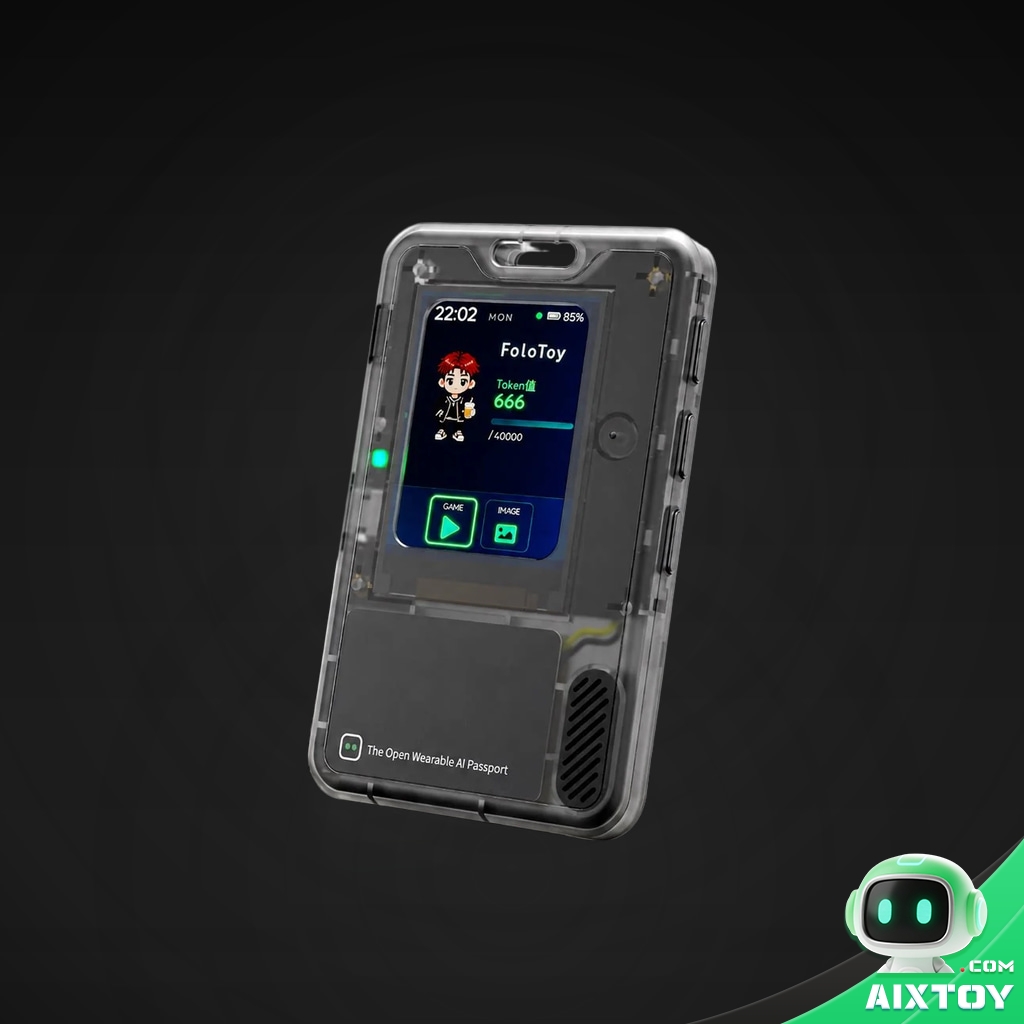
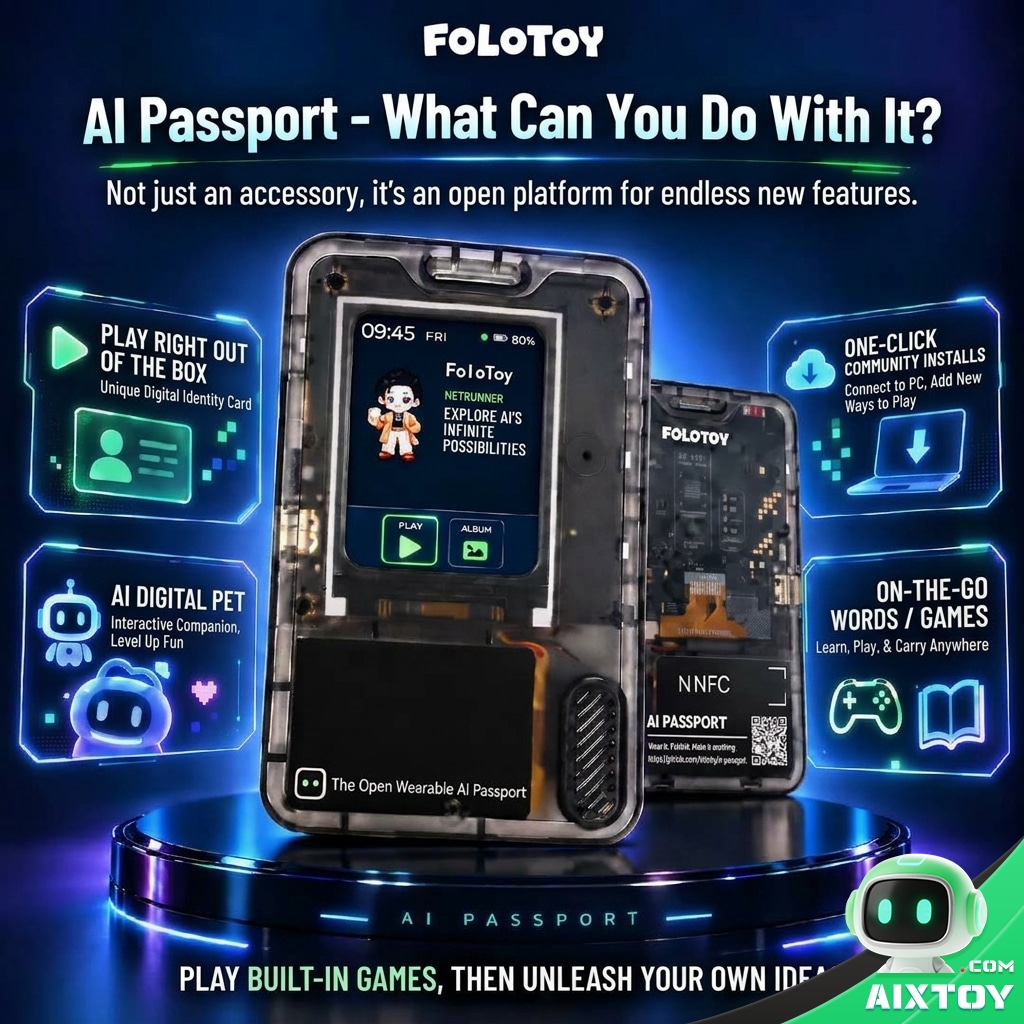
FoloToy AI Passport
$52.99
Path 03 · talent-led, the deal layer. A programmable AI badge from the company whose attach modules ended up inside other brands’ plush toys. A screen, NFC and an open coding path — the talent-led idea in hardware form, and the platform terms that come with it.
What the market actually pays for
Strip out the press releases and the category looks like this. Global AI toy revenue passed US$11bn in 2024 and is forecast to reach US$58bn by 2030, a compound growth rate above 20% a year, with China’s market around ¥60bn. Capital followed fast: roughly ¥20.1bn went into AI toy companies in 2025, an increase of about eighty times on the year before — the year the trade press now calls year one.
The unit economics are more informative than the totals. Fuzozo: ¥399, with eighty days free and then ¥10 a week, about ¥520 a year. BubblePal: ¥499 and more than a quarter of a million units. LOVOT: ¥29,800 upwards plus ¥880 a month. UBtech’s ¥499 companion with a ¥99 annual card. A ¥199 entrant from a smaller Shenzhen brand, reporting a few hundred units a month. On the app side, AI companion revenue passed US$800m a year, up 156%, with Replika Pro at US$19.99 a month and Character.AI’s subscription at US$9.99.
Demand surveys in China report that virtually every young respondent says they will pay for emotional value, and a majority name emotional support specifically. The number that tends to be left out of those decks is the failure rate: returns on AI toys have run at 30–40%, with a resale market that collapses within weeks — which is what happens when a product sells an experience and delivers a gadget.
The number that decides which path wins: retention
Replika has been in market for seven years and has been rebuilt on several generations of models. Its ninety-day retention has stayed in the region of 20%. If better models do not move retention, the model is not the constraint.
The structural explanation is uncomfortable for anyone selling companionship: need-driven usage ends when the need is met. You do not stop taking painkillers because you are dissatisfied with them; you stop because the pain is gone. A product bought to fix loneliness is competing with its own success, and every good session shortens the reason to return.
Character.AI is the useful control. Its seven-day retention sits near 40%, and its ratio of daily to monthly users is about 31%, against roughly 15% for ChatGPT — and the characters people actually spend time with are IP characters, not companion personas. Users come back for a character they already like, not for the fact that something answers them. Interest-driven retention compounds; need-driven retention gets consumed.
That is an argument for the content path, and it explains why the other two paths keep paying for its mechanics. Product-led brands borrow interest through series, colourways and personality grids. Talent-led businesses borrow it from creators who already have an audience. Nobody in this market has found a way to manufacture interest from the model alone.
Three failure modes, in the same order
Content-led: canon damage and the AI flavour. The most instructive failure comes from a plush rather than a cartoon. ZTE’s team built an emotional-companion plush whose first design answered questions, and every imperfect answer earned it the same label users give bad chatbots — fake, an artificial idiot. They cut the question answering, kept texture, expression and emotional response, and described the target as being about as smart as a five-year-old border collie, with no job other than being cute. A story brand shipping a model with no script gets the same reaction at a much larger scale.
Product-led: novelty decay and appliance economics. Returns at 30–40%, warranty and firmware support for a device whose software partner may change terms, and a second-hand price that reads as used electronics. The collectible logic that funded the launch does not survive the first support ticket.
Talent-led: rights. Who owns the persona, the voice, and the conversations used to train it, and what happens when the deal ends? The clearest live example is not in toys at all: a platform token that is personal, non-commercial, capped at fifty devices and revocable turns a platform’s legal terms into your product roadmap.
Two things AI genuinely changes — and one it does not
First, the cost of manufacturing personality has collapsed. Reference designs, AI cores listed from around ¥39, and a supply chain in Shenzhen that will happily assemble a talking object for you. Producing the hardware is no longer the hard part, which is precisely why the difference between the three paths reasserts itself: with the same parts available to everyone, distribution and rights decide who survives.
Second, creator throughput. Concept art, three-views and physical prototyping compress into days, with reported cycle reductions near 70%. That is a genuine advantage for anyone who already has creators under contract, or is willing to go and find them.
What has not changed is discovery and trust. No model makes a stranger love a character. That remains an audience business, which is why the product path and the talent path both keep paying for content they do not own — and why the content path, for all its slowness, owns the only asset that appreciates on its own.
Three questions that tell you which path a product is on
What do you still have if the subscription lapses? A figure, a story you can rewatch, a box of parts you can reflash — or nothing at all.
What does the price track — the object or the service? ¥880 a month is a service bill strapped to a robot. When the headline price is really a subscription with a deposit, comparisons with collectibles are meaningless.
Will the character behave the same way in 2030? If the answer depends on someone else’s servers and someone else’s model, you are not buying a character. You are renting one. The collector’s version of the same test is shorter: would anyone keep it after the servers stop?
If you are building one, sequence beats scope
The advice at the end of the original essay is the part worth keeping: do not start by asking whether you need a world-view, a short-video channel, a collaboration, new hardware and creator deals all at once. Choose the single experience worth repeating, then arrange everything else behind it. Each path has its own first step.
Content-led: write the character bible before you write the prompt. If your character can say something that contradicts its own history, you have built a chatbot in a costume. Product-led: design the merchandise system before the model — colourways, series, the ratios that make collecting work. Talent-led: sign the rights before the firmware. An attach point only becomes a business when the characters attached to it are licensed.
The complaint list that shows up under every AI toy review — full of AI flavour, expensive with poor service, identical to the others, battery too short — is what shipping all five priorities at once produces. It is not a technology problem. It is a sequencing problem.
The AIXTOY take
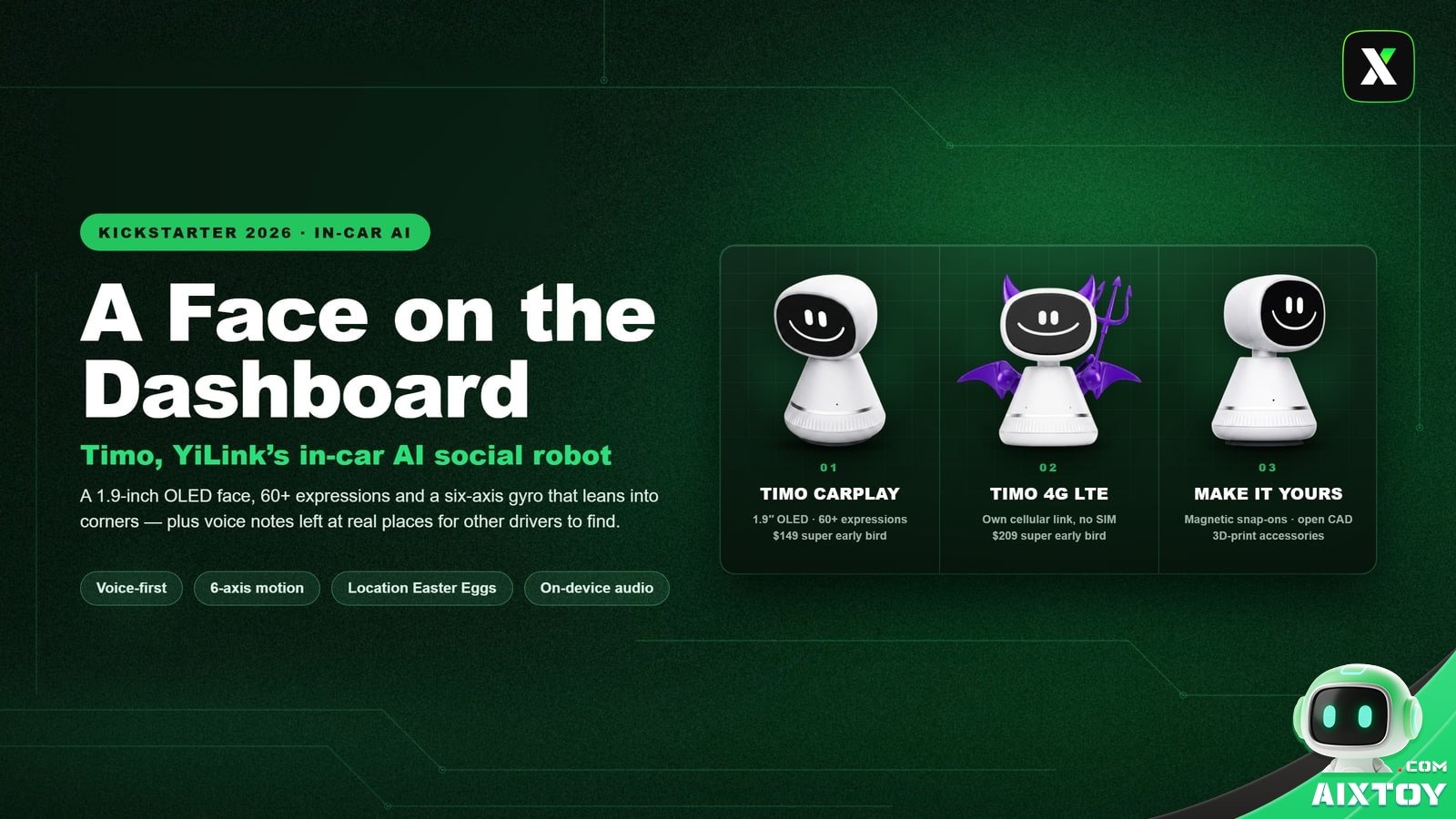
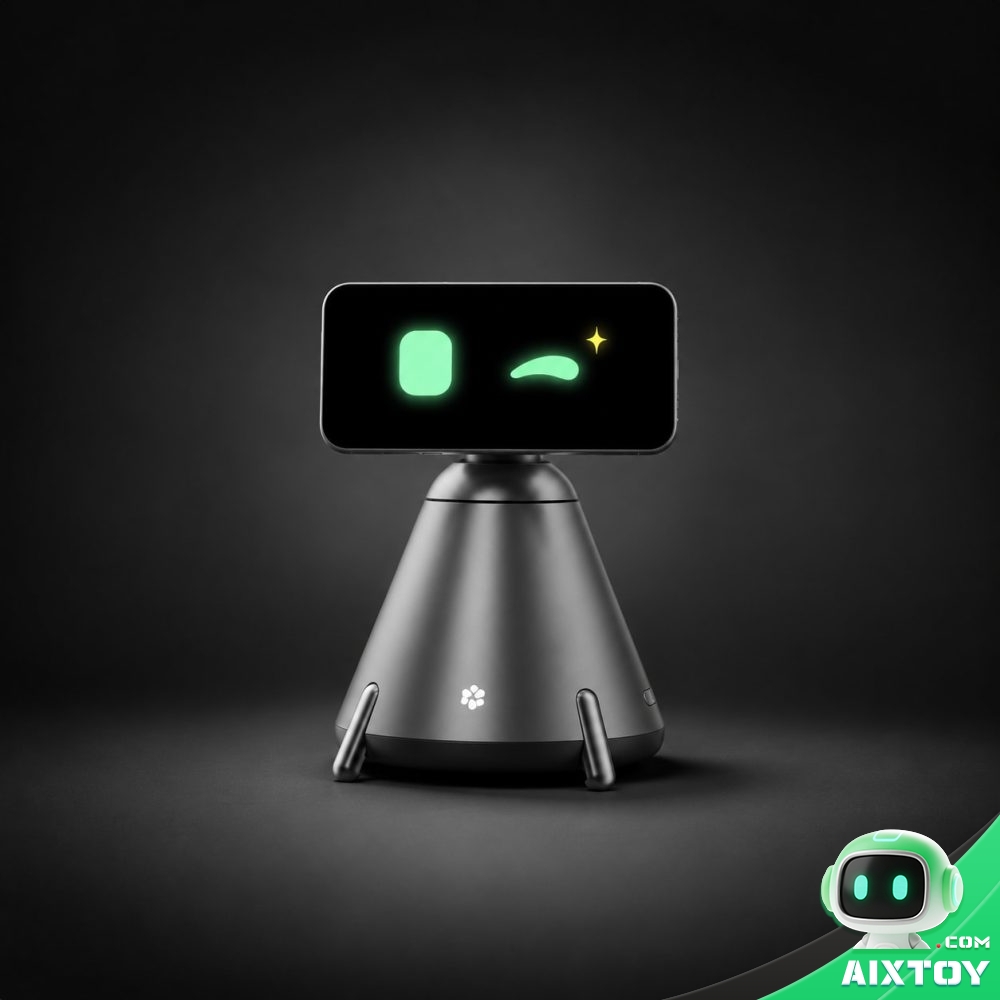
Mapping our own catalogue onto the three paths is more useful than pretending otherwise. The dashboard companions we stock — MANGOGO, Dasai Mochi 3, LUMI, DiMi — are product-led plays: a personality sold as an object, in colourways, with no subscription attached and no cloud dependency that outlives the vendor. Their value is in the thing on the shelf.
The FoloToy AI Passport belongs closer to the talent path: an open badge you program, from a company whose modules ended up inside other brands’ toys. StackChan is the community version of the same instinct — co-created, open-source, documented, repairable by the people who own it.
Two conclusions we would defend. For a buyer: if you want an AI companion that holds its value, buy the object rather than the service, and prefer the devices that keep working after someone’s cloud switches off. For a maker: decide which asset you are protecting in week one. That decision, not the model you choose, decides what you end up building.
For the adjacent question — what happens when an AI company opens its own hardware layer and invites you to build on it — we went through Meta’s Muse Gadgets SDK and its terms in detail. The short version: the hardware is free, the rent is not.
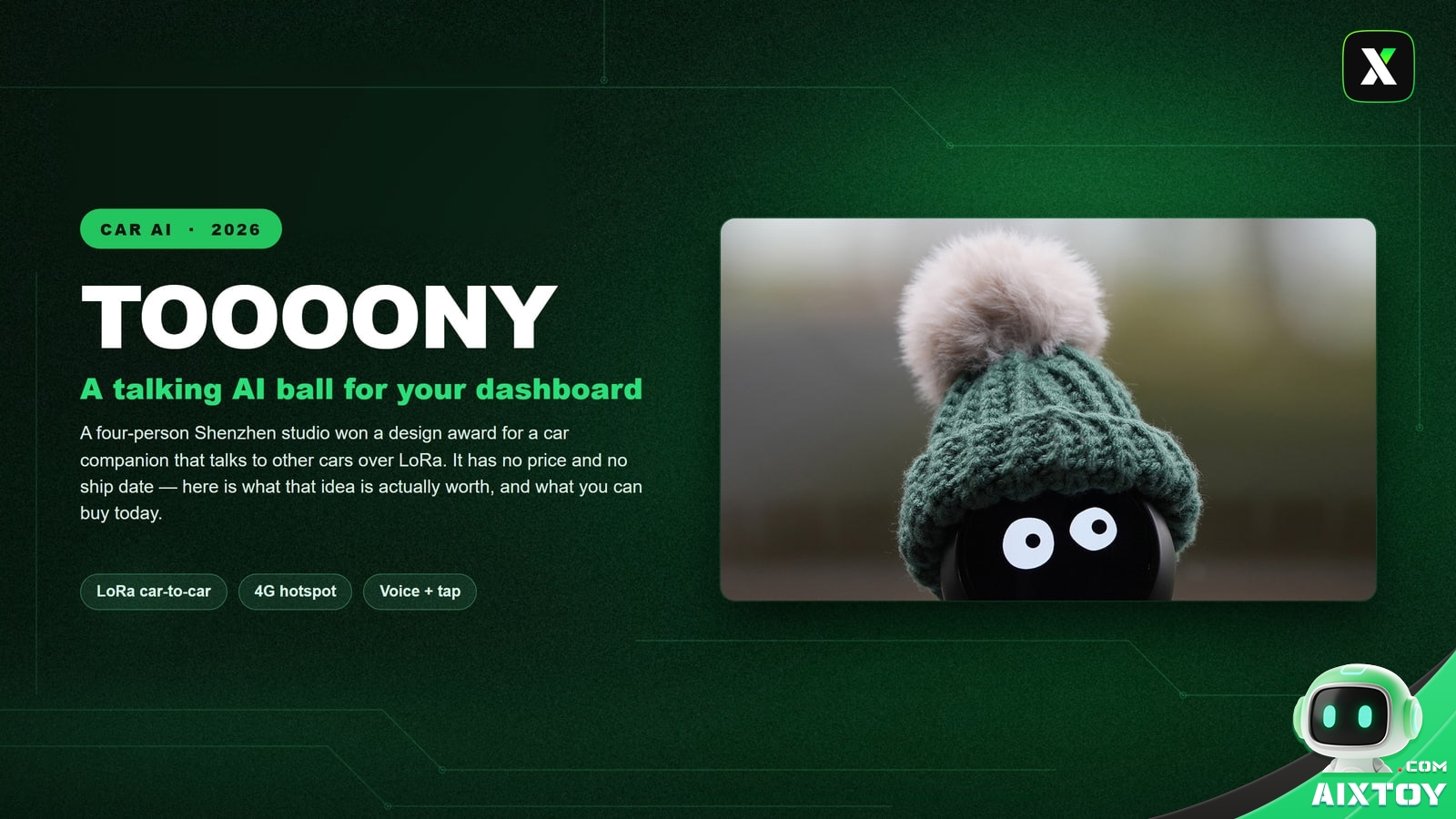
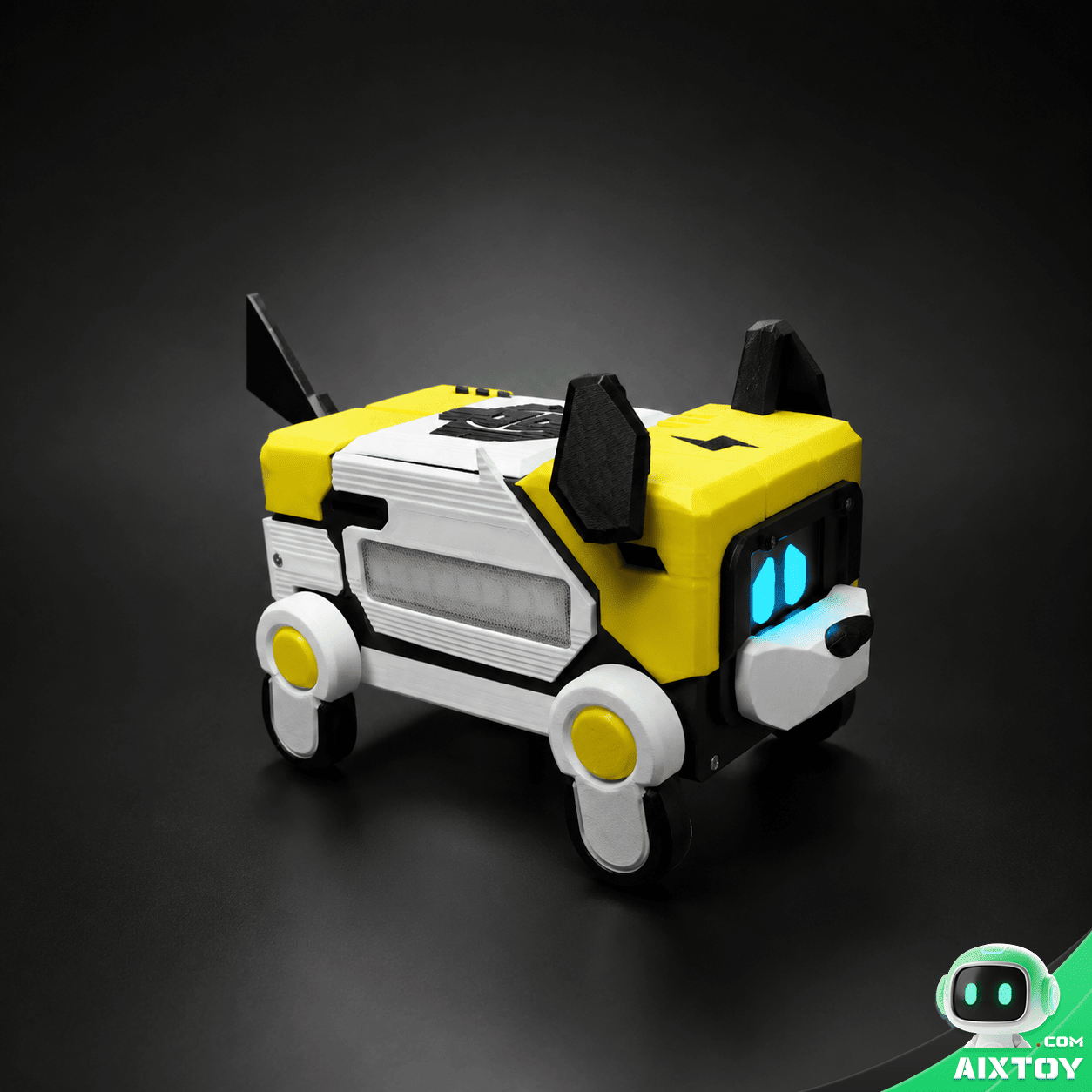
The car AI robot category, and which of them are worth buying →
Quick answers
Which of the three paths makes the most money? Product-led does today, because scarcity and resale generate margin without servers. It is also the path most exposed to taste, and the one where a single bad season is hardest to recover from.
Is AI in toys a fad? The category is not; the way most of it is being sold is. Returns at 30–40% and second-hand collapse are the signature of products that lead with the AI and have no answer to the question of why anyone comes back.
Why will Pop Mart not add AI to Labubu? Because its asset is scarcity and canon, and a talking figure is neither rare nor consistent. A conversational Labubu would trade a ¥1.08m auction price for a subscription it does not need.
What happens when the servers shut down? On the content path, nothing changes — a story survives its platform. On the product path, the object keeps its value and loses a feature. On a cloud-dependent companion, the character stops existing, which is the clearest argument for keeping something physical in the relationship.
Which is cheapest to start? The talent path: an AI core at around ¥39 and someone else’s character. It is also the only one that legally requires a licence before the first sale, which is why it looks cheap right up until it does not.
Tags:AI Toy AI Companion AI Robot Toy Companion Robot Desktop Robot AI Toy Industry Toy Industry Trends Disney Ai Plush Toys AI Hardware Ip Toys AIXTOY