


No products added!
Timo is a dashboard robot that wants to be talked to, not looked at
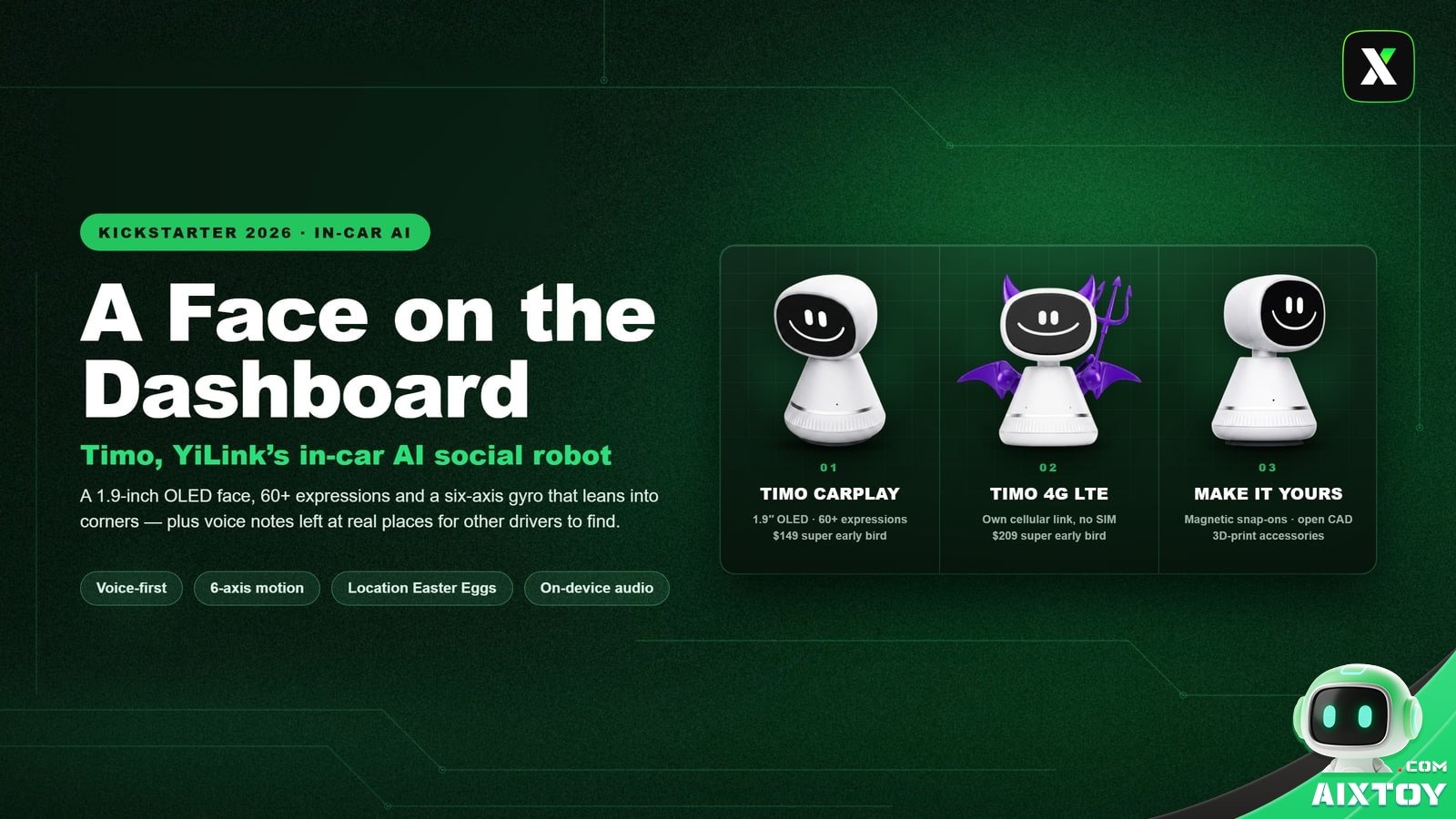
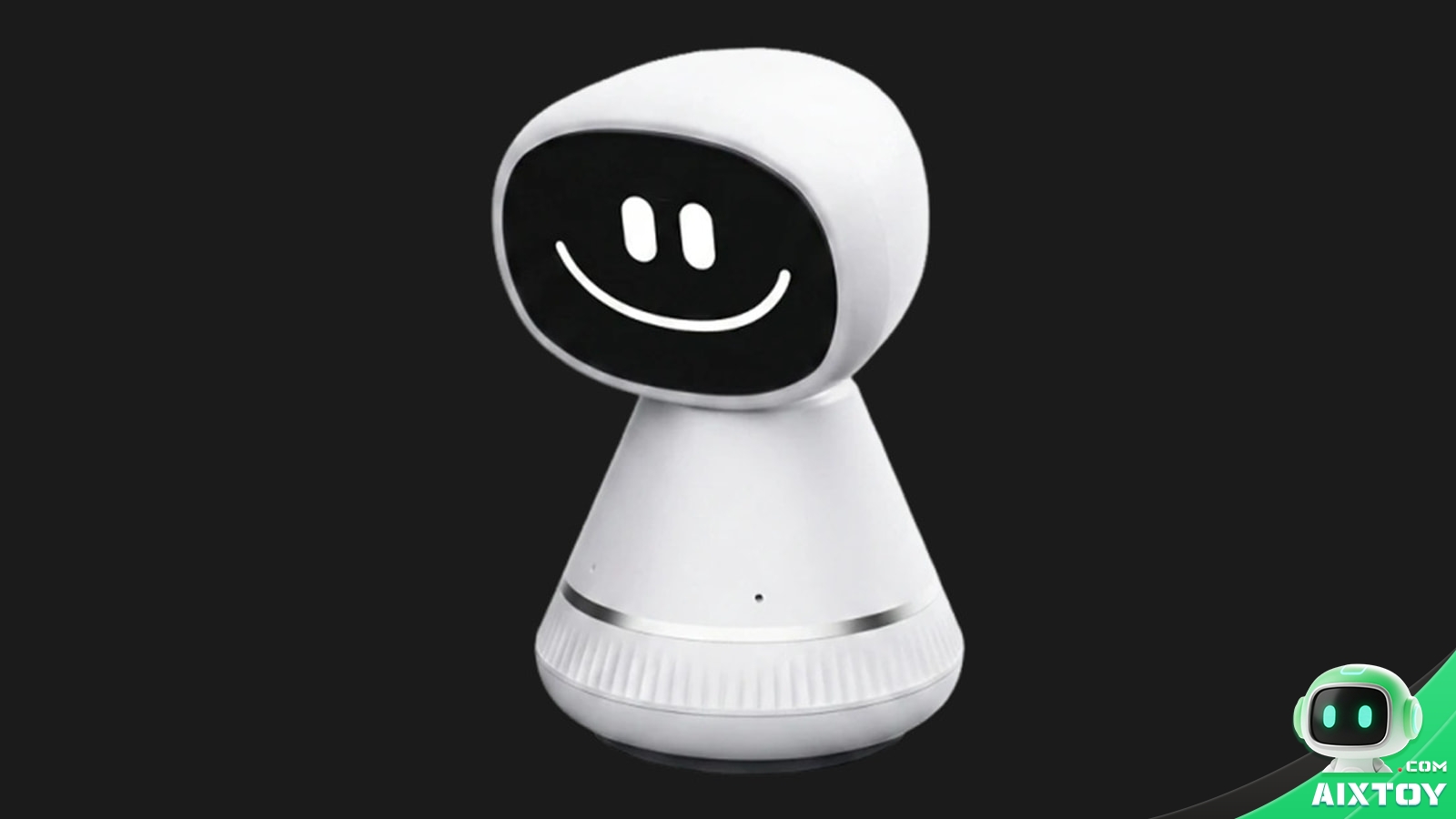
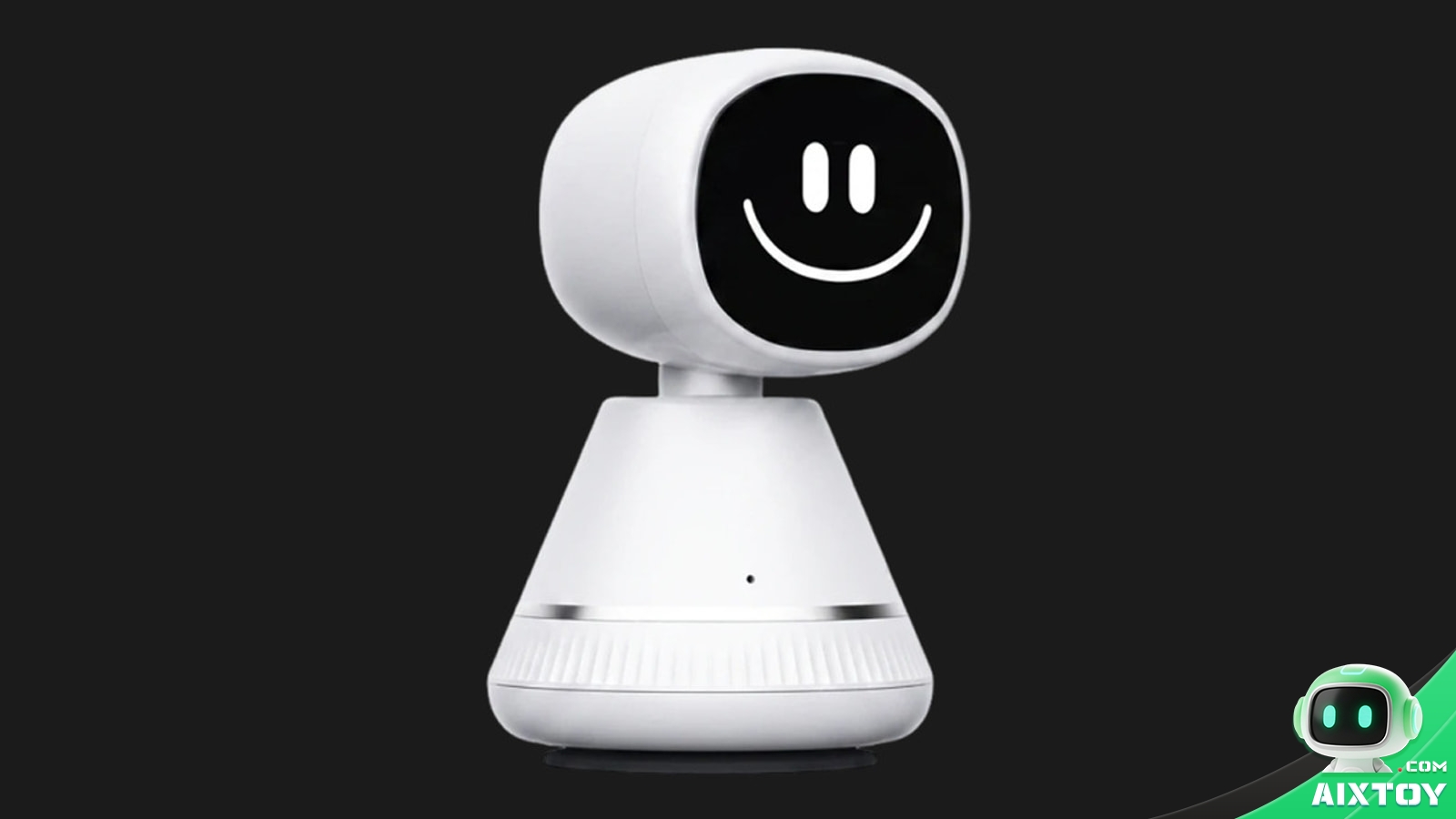
Timo is the first product from YiLink, a Hong Kong company that describes itself as building “intelligent connected products … designed for life on the move.” It went live on Kickstarter on 10 September 2026 in two versions — a CarPlay Edition at a $149 Super Early Bird and a 4G LTE + Wi-Fi Edition at $209 — and it is, on paper, a small white cone with a face that sits where your phone mount used to be.
The pitch is not the screen. A 1.9-inch OLED panel showing 60-odd expressions is roughly what an $8 desk toy does. What YiLink is actually selling is a bet about where a companion robot belongs: not on a shelf competing with your family, and not on a phone competing with your attention, but riding along through the most reliably solitary hours of the average week.
The hardware is modest, and that is the point
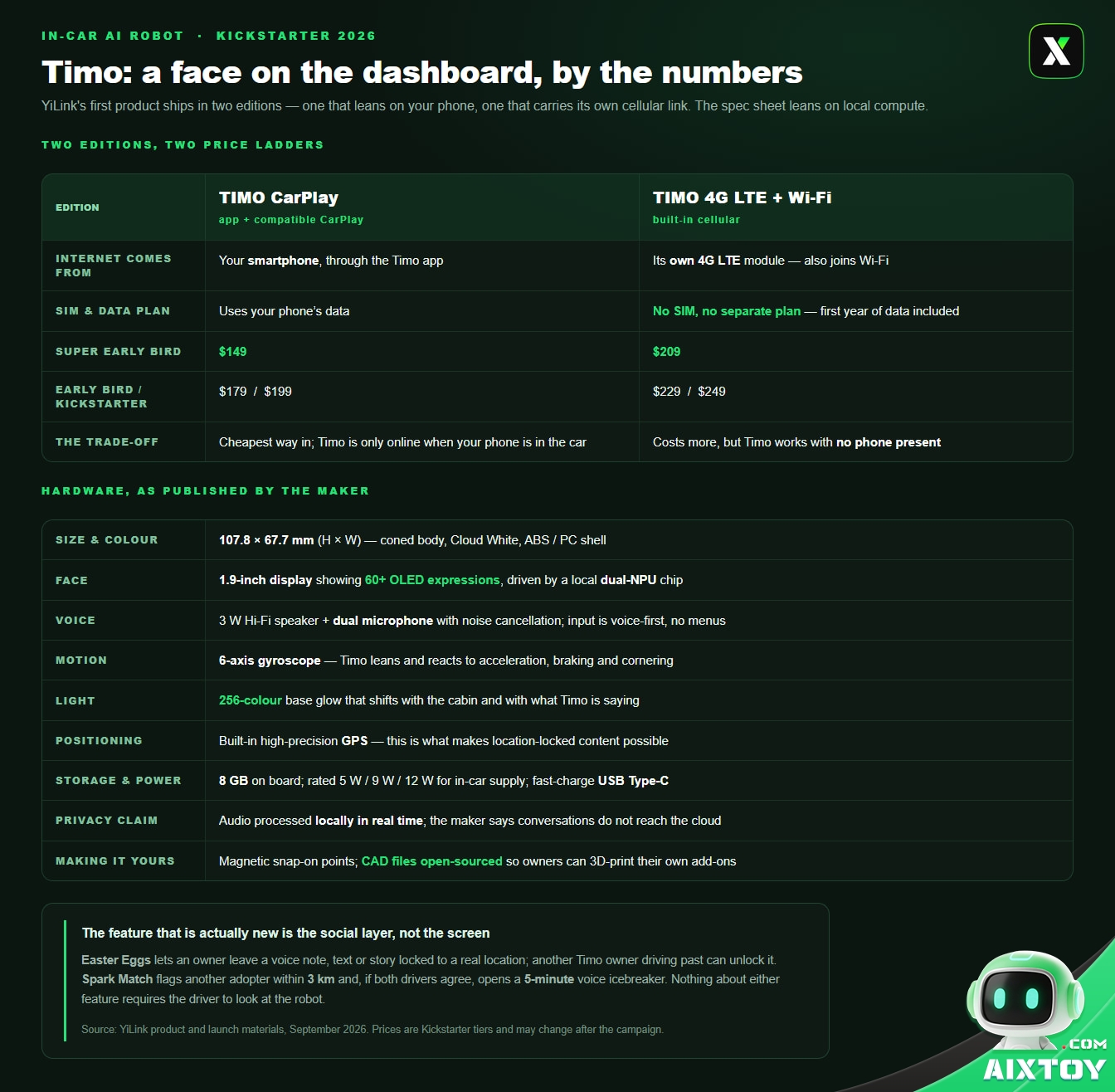
YiLink’s own specification page lists a device 107.8 mm tall and 67.7 mm wide, in Cloud White, with an ABS/PC shell. Inside: a 3 W speaker, a dual-microphone array with noise cancellation, 8 GB of storage, a 6-axis gyroscope, a high-precision GPS module, 256-colour base lighting, and a power rating of 5 W / 9 W / 12 W over USB Type-C.
Two details stand out. The first is the gyroscope. In a car there is a constant, free data stream — acceleration, braking, cornering — and Timo is built to read it, leaning and reacting as the vehicle moves. A companion robot that physically responds to the road is doing something a phone on a mount cannot. The second is that the expressions are driven by a local dual-NPU chip, and YiLink states that audio is processed on the device in real time and does not reach the cloud. That is a marketing claim, not an audited fact, but it is the correct claim to make for a microphone that lives in a car.
Two editions, and only one of them is interesting
The CarPlay Edition is the cheaper path: it works through the Timo app and a compatible CarPlay head unit, and it borrows your phone’s data. Kickstarter tiers run $149 (Super Early Bird), $179 (Early Bird) and $199.
The 4G LTE + Wi-Fi Edition costs $209 / $229 / $249 across the same three tiers, and the difference is the whole argument. It carries its own cellular modem, so it needs no SIM card and no separate data plan, and YiLink includes the first year of mobile data. A dashboard companion that only lives while your phone is in the car has a hard time justifying itself; one that is online independently is at least a real device.
YiLink’s own store has since been listing pre-orders under the names Timo Pro ($149 against a stated $239 MSRP) and Timo Max ($199 against $339), which map onto the two Kickstarter editions. If you are comparing, compare like for like: the $149 entry price is the version tethered to your phone.
Easter Eggs is the real bet, and the real risk
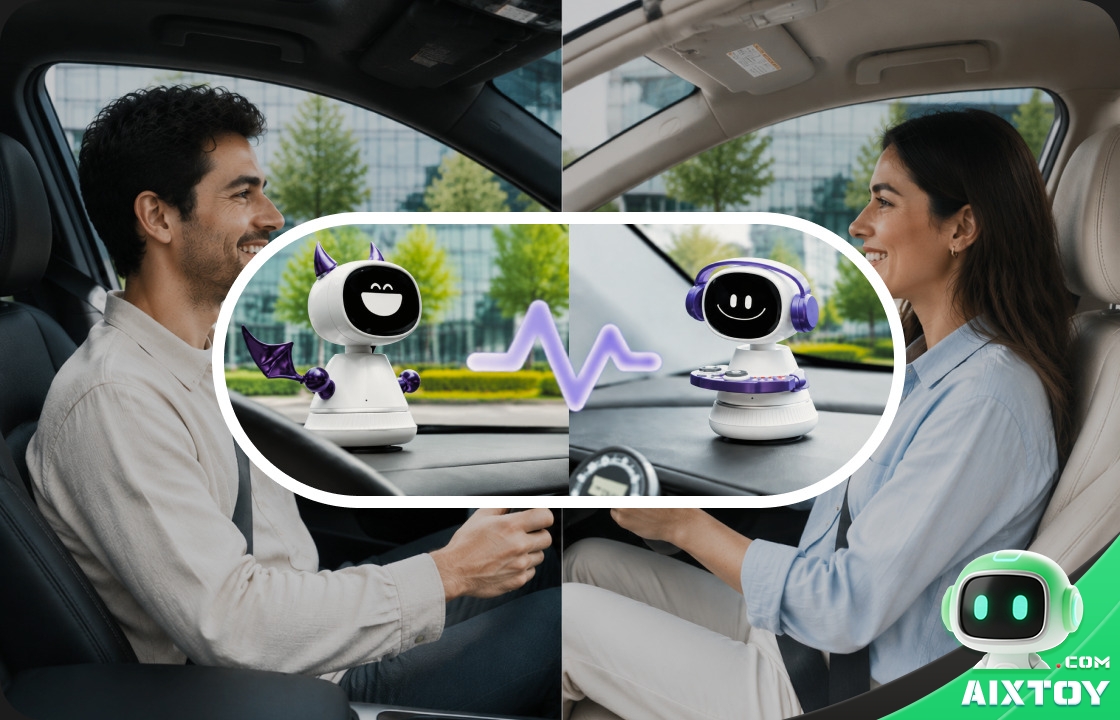
Strip away the animated face and Timo’s genuinely new feature is called Easter Eggs. An owner can attach a voice message, a piece of text or a short story to a real-world location. Another Timo owner who drives past that spot can discover and unlock it. The maker’s own product page describes a companion mechanic called Spark Match that alerts you when another Timo adopter is within 3 km and, if both drivers agree, opens a 5-minute voice icebreaker based on shared routes and music.
It is geocaching with a personality, and it inverts the usual logic of a car gadget: the device becomes more useful the less you look at it. A note left at a scenic overlook is a message that waits for whoever comes next, not a notification demanding an answer.
The problem is the same one that faces any social product shipped before its users arrive. Leaving a message for other owners is only meaningful if other owners drive the same roads. YiLink is candid that this is the early version of the idea, saying it plans to keep expanding how owners “discover and interact with one another through shared locations, moments, interests, and experiences.” Until Timo reaches local density, most Easter Eggs are likely to be written by the person who later reads them.
The design decision that matters: knowing when to stay quiet
Most in-car technology competes for the driver’s eyes. Timo is deliberately voice-first: you speak, it animates and answers, and the interaction is designed to happen without reaching for a phone or working through a menu tree. YiLink’s co-founder, York, put the company’s framing plainly in the launch materials: the next step for the in-car experience “isn’t simply adding more screens or more commands.”
That restraint is testable. The Easter Egg mechanic requires no glance at all, and the device can be ignored outright while still doing something useful — which is a more honest definition of companionship than an always-on assistant that nudges you every few minutes. In a car, a feature that asks for attention is a safety question, not a design choice.
How to customise it, and what is still missing
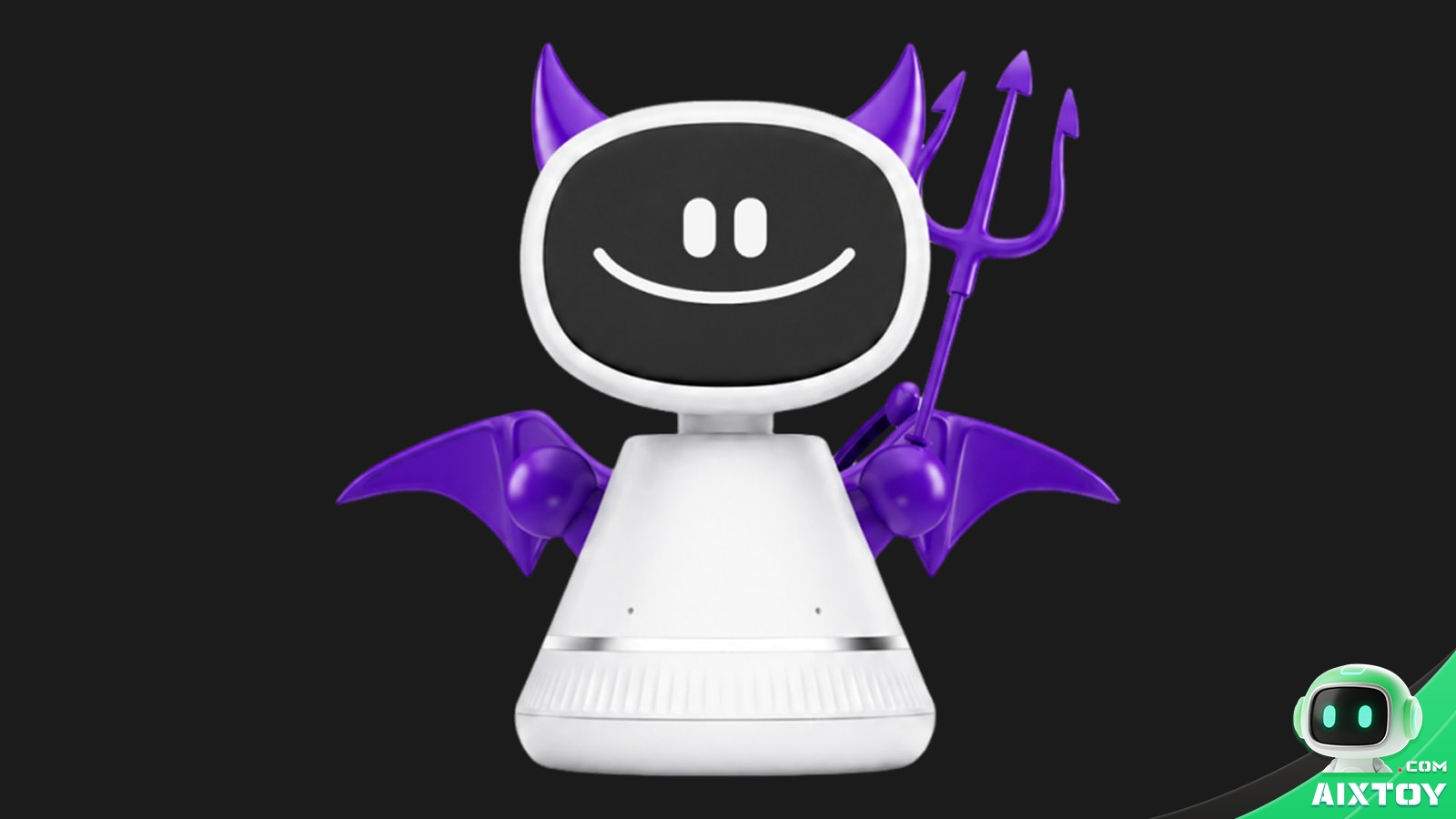
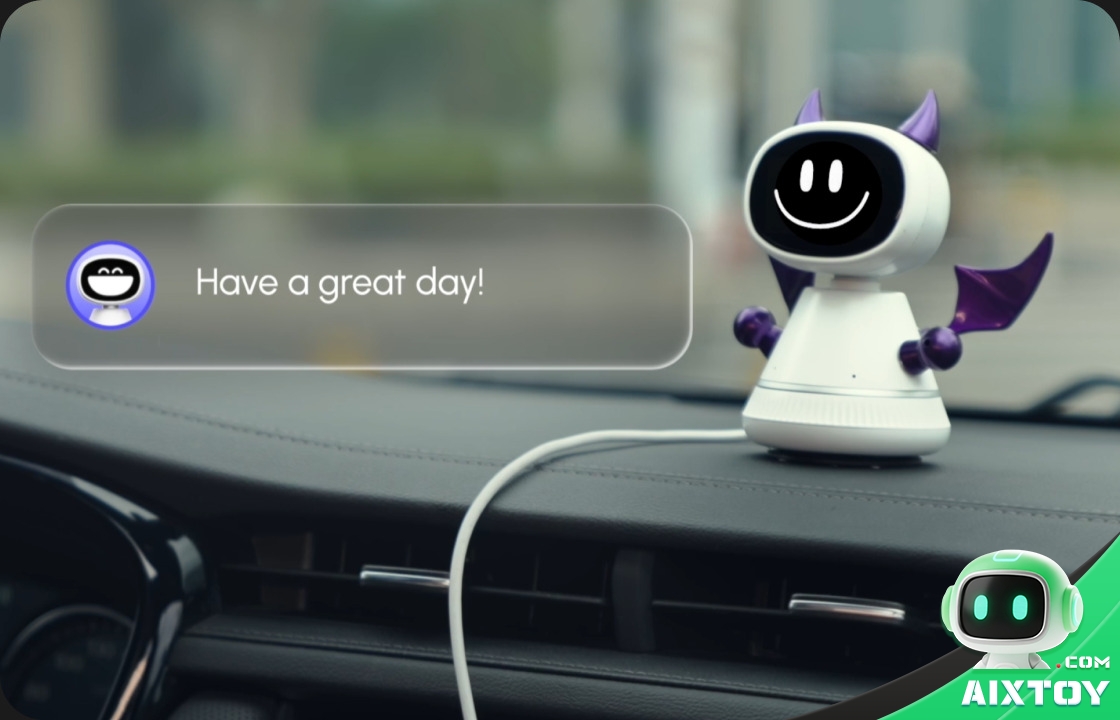
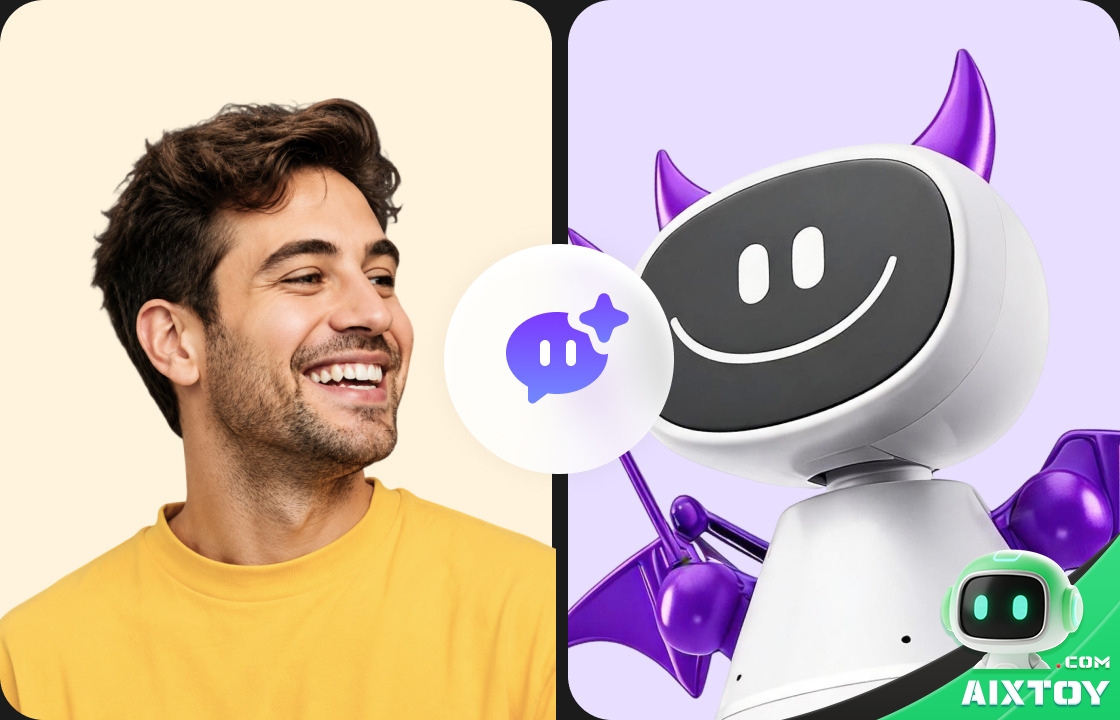
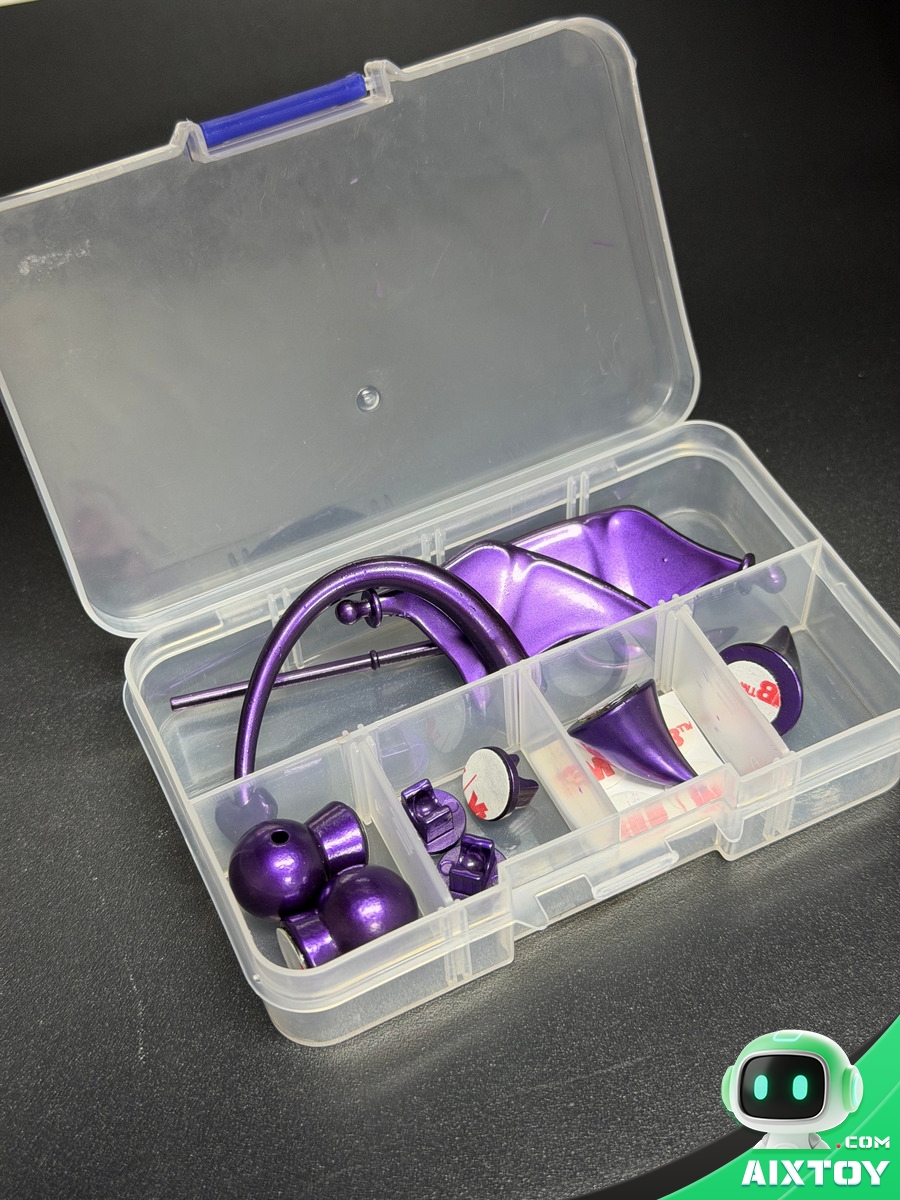
Timo is built to be dressed up. The shell has magnetic snap-on points, and YiLink open-sourced the CAD design files so owners can 3D-print their own add-ons — the devil horns in the launch photos are one example, and cat ears are another. Expression sets and personality settings are swappable, and the company says it will add capabilities over the air.
What the launch materials we reviewed do not state is a delivery date. The 10 September campaign announcement covers pricing, the two editions and the feature set; shipping windows were not part of it, so any date you see elsewhere should be treated as a claim to verify on the campaign page before you pledge.
It is also worth remembering how this category has behaved. Jibo was a Boston social robot that burned through $73 million in venture capital, sold its assets to an investment firm in 2018, and in March 2019 told its owners their robots were being disconnected from the servers. San Francisco’s Anki sold more than 1.5 million Cozmo and Vector robots, failed to close a late funding round and shut down in April 2019; its assets were bought by Digital Dream Labs that December. The pattern in every case was the same — a well-loved demo, and a device that stopped being switched on within months. A robot whose main feature depends on other people owning the same robot inherits that risk in an unusually literal way.
The spec sheet, side by side
Here is everything YiLink has published about Timo in one place — the two price ladders, the shared hardware, and the social layer that is supposed to make it more than a talking ornament.
If you want a car companion you can actually buy today
Timo is a crowdfunding product with no stated delivery window, so it is a bet rather than a purchase. If what appealed to you was the idea — a small robot on the dashboard that talks, reacts and keeps you company — the category already has shipping hardware. Here are four that AIXTOY stocks, and how each one answers the same question differently.
The closest match to Timo’s pitch is DiMi, a Chinese-made dashboard companion that pairs 4G and Wi-Fi with on-device emotion recognition, so it stays connected when your phone is not in the car.

DiMi AI Smart Car Robot
$306.99
4G + Wi-Fi dual-network dashboard companion with intelligent voice interaction and emotion recognition — an always-on AI co-pilot, sold and shipped by AIXTOY.
If you would rather not pay for a second SIM, XiaoZhi takes the opposite approach to connectivity and leans entirely on voice: a dashboard decoration that talks, tells stories and keeps you entertained on a commute, for well under a hundred dollars.
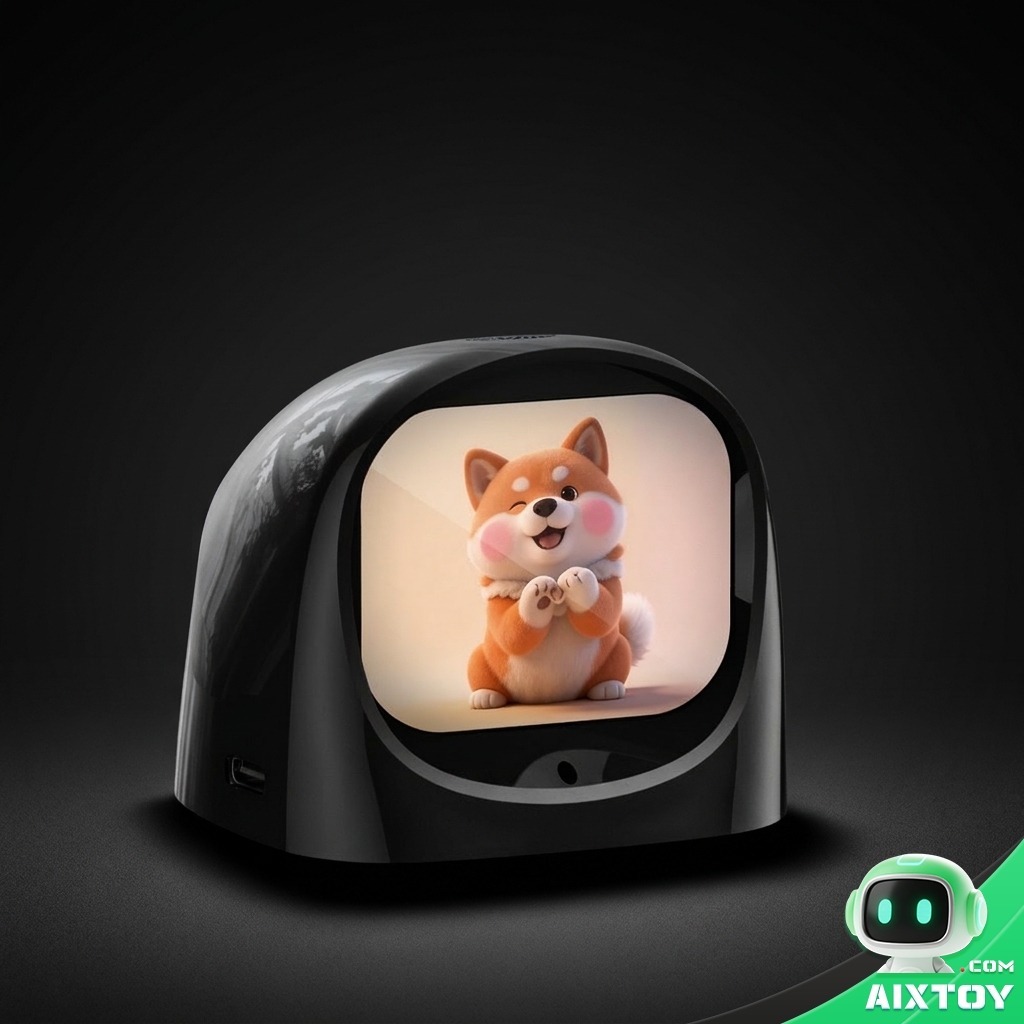
AI XiaoZhi Car Robot Companion
$86.99
A voice-driven dashboard companion that brings conversation and personality to daily commutes and weekend road trips — no data plan required, stocked and shipped by AIXTOY.
For the expressiveness itself, AI Fortune God is a reminder that a face on the dashboard does not have to be expensive: it carries more than 150 expressions and reacts to what the car is doing.
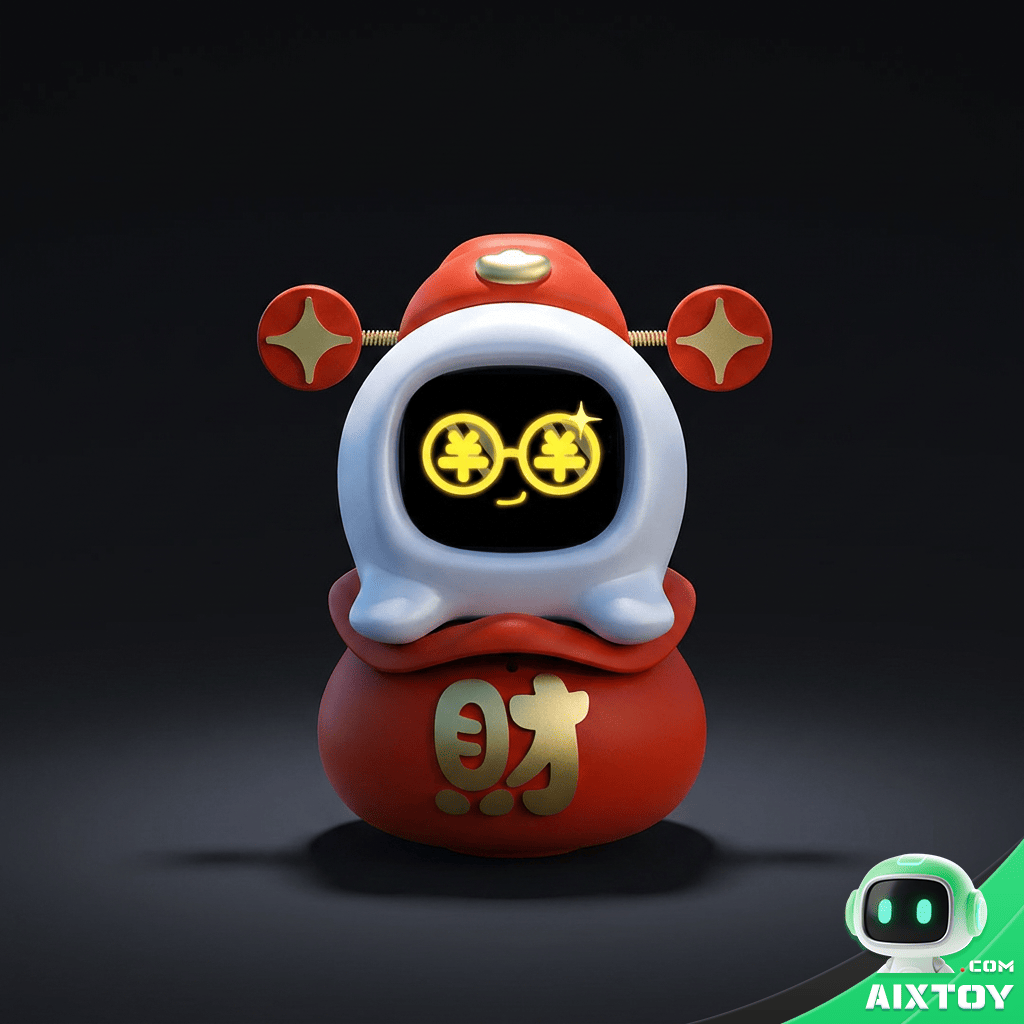
AI Fortune God Car Robot Ornament
$49.99
A voice-activated dashboard ornament with 150+ expressions and car awareness — the cheapest way to put a reacting face in the cabin. Supplied by AIXTOY.
And if your car already has a big screen and you want the robot to talk to it, Commander Pro connects to the vehicle so the character responds to what the car is doing — the same idea Timo is chasing with its gyroscope, built for Tesla Model 3 and Model Y owners.
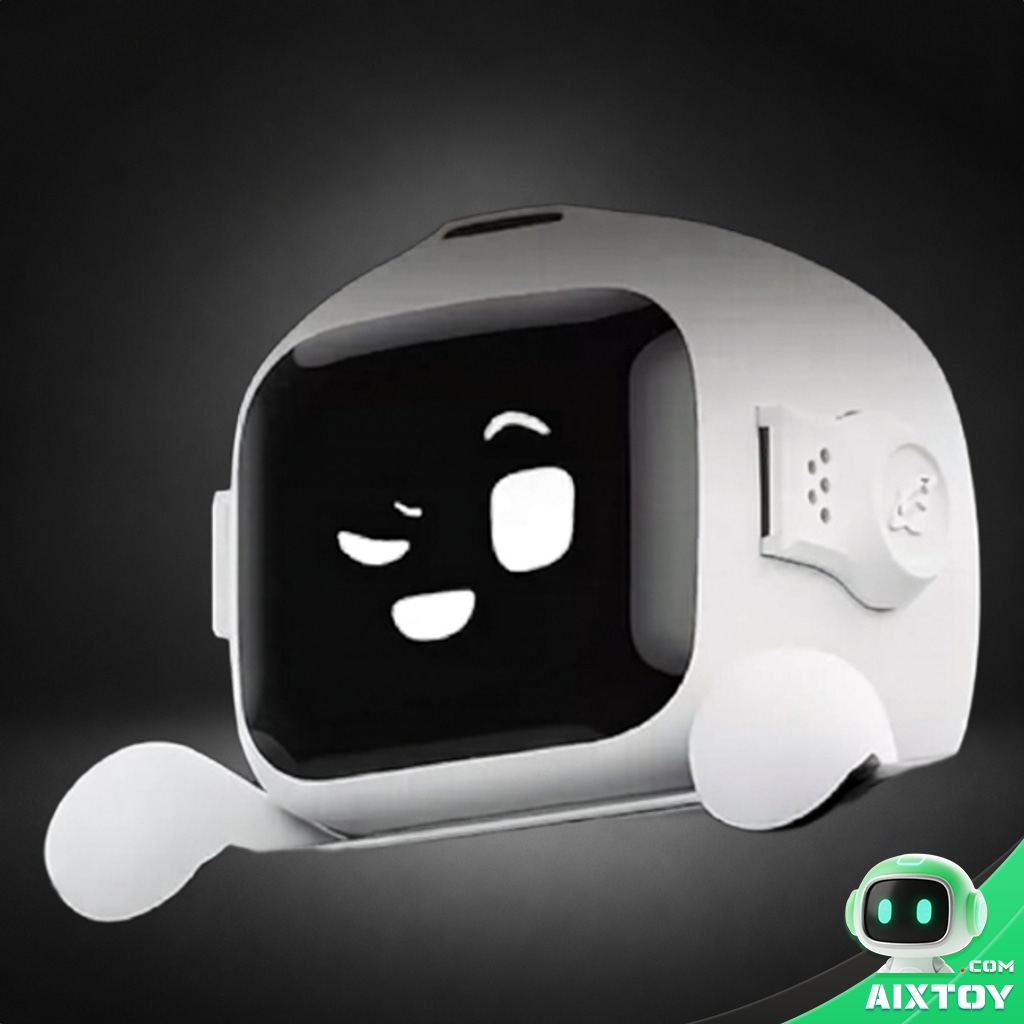
Commander Pro Car AI Companion
$223.99
A voice-driven AI companion for Tesla Model 3 and Model Y that connects to the car so the character reacts to what the vehicle is doing. Stocked and shipped by AIXTOY.
The short version
Timo is a well-argued answer to a question the car industry keeps asking badly: what should a companion robot in a vehicle actually do? YiLink’s answer — talk, react physically to the drive, and occasionally hold a message for a stranger — is more thoughtful than another screen. The 4G LTE + Wi-Fi Edition at $209 Super Early Bird is the configuration that makes the idea work on its own terms, and the CarPlay Edition at $149 is the cheap way to try it.
What you are buying is an early product from a first-time company, with no published shipping window, in a category with a long record of charming demos and short lifespans. If that trade is acceptable, the campaign is worth reading closely. If you want the dashboard companion experience this month, the four robots above ship today — and one of them costs less than a tank of fuel.
Tags: Timo YiLink In-Car AI Car AI Toys Dashboard Robot Kickstarter AI Companion AI Agent Social Robot Voice Assistant AIXTOY Crowdfunding