


No products added!
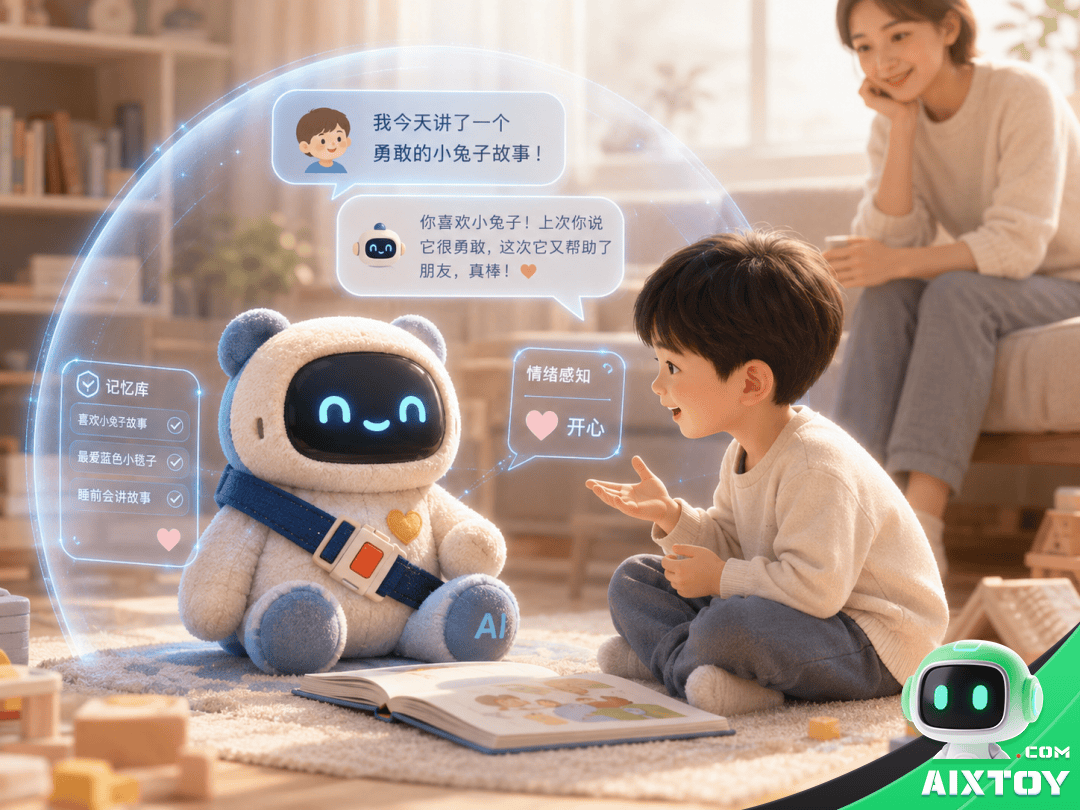
On April 30, 2026, US Senator Josh Hawley’s office announced that the Senate Commerce, Science, and Transportation Committee had unanimously passed a bill aimed at protecting minors from AI companion chatbots. The proposed legislation would prohibit minors from using AI companion chatbot services and require platforms to provide intervention mechanisms when minors show signs of self-harm risk. One week earlier, on April 10, China’s Cyberspace Administration and four other agencies jointly published the Administrative Measures for AI Anthropomorphic Interaction Services, set to take effect on July 15, 2026. The Chinese regulation targets not a specific product category but any AI service that simulates human interaction through text, voice, image, video, or motion. Together, these two regulatory signals — one from Washington, one from Beijing — draw a clear line around a single principle: the closer the companionship, the clearer the boundaries must be.
Why This Matters Now, Not Later
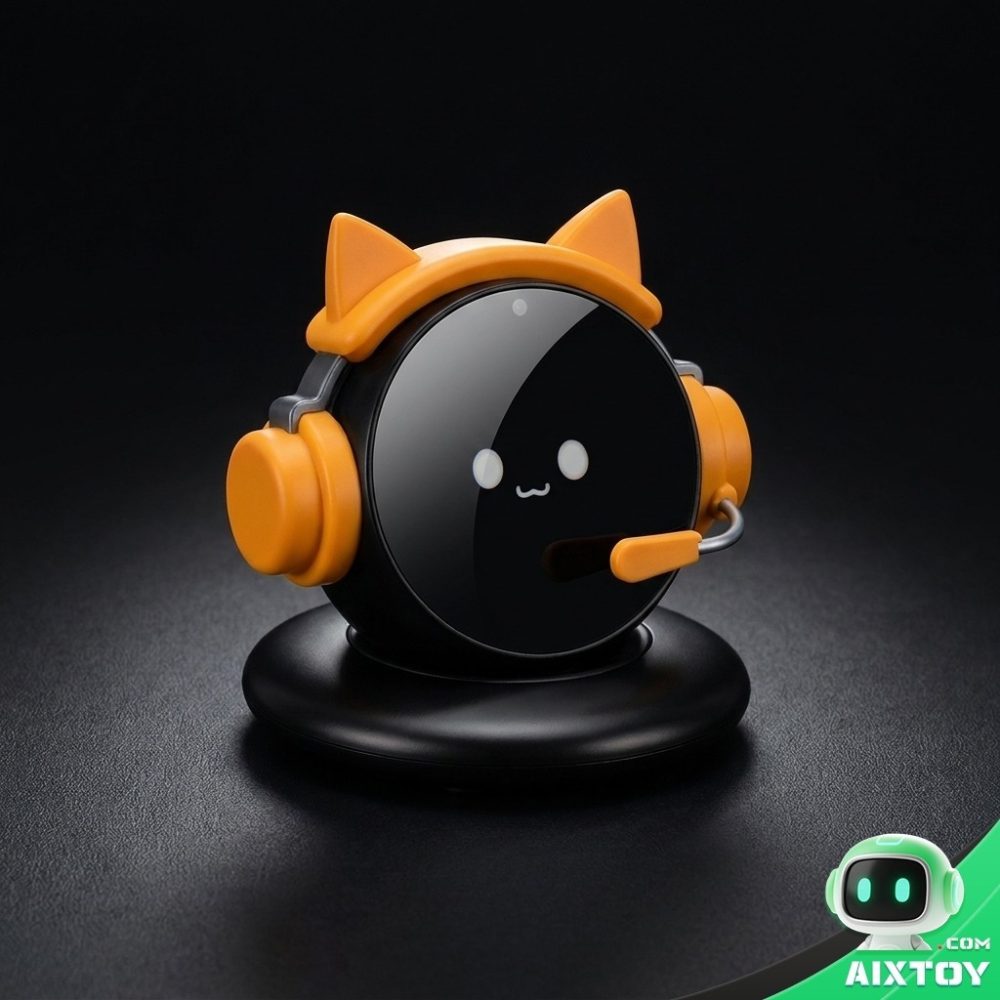
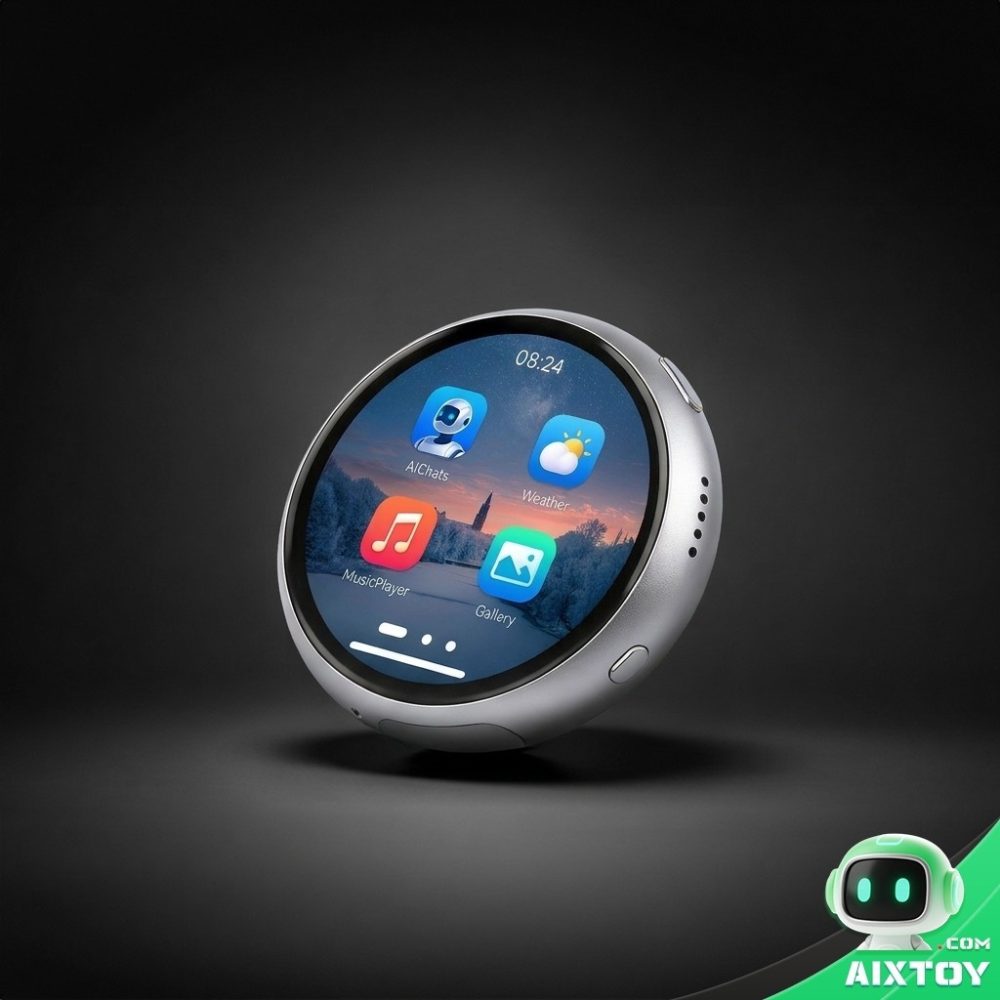
The next generation of AI toys will not stay confined to the children’s tablet, the story machine, or the smart speaker in a plush shell. They will be stuffed animals with memory. Desktop robots with cameras and microphones. Virtual characters that travel between an app, a physical toy, and a live event. AI IP that builds a personality across touchpoints. When a product describes itself with words like “friend,” “companion,” “understands you,” and “emotional value,” it has crossed a line. It is no longer a standard electronic toy. It is an anthropomorphic interaction device — and it will be regulated as one.
This is not bad news for the industry. It is the news that allows the industry to grow. The toy sector has historically been excellent at three things: creating endearing physical forms, telling coherent character stories, and placing products into family, gift, and collection contexts. AI amplifies all three. A plush that can sustain a stable personality while reading stories, playing games, and answering a child’s questions has more staying power than a traditional story machine. A desktop robot with evolving expressions, motion patterns, and content updates can graduate from a gadget to a character asset with recurring value. But none of this works without trust. And trust, in the context of AI companionship, is not built by the model. It is built by the boundaries.
The Questions Parents Are Actually Asking
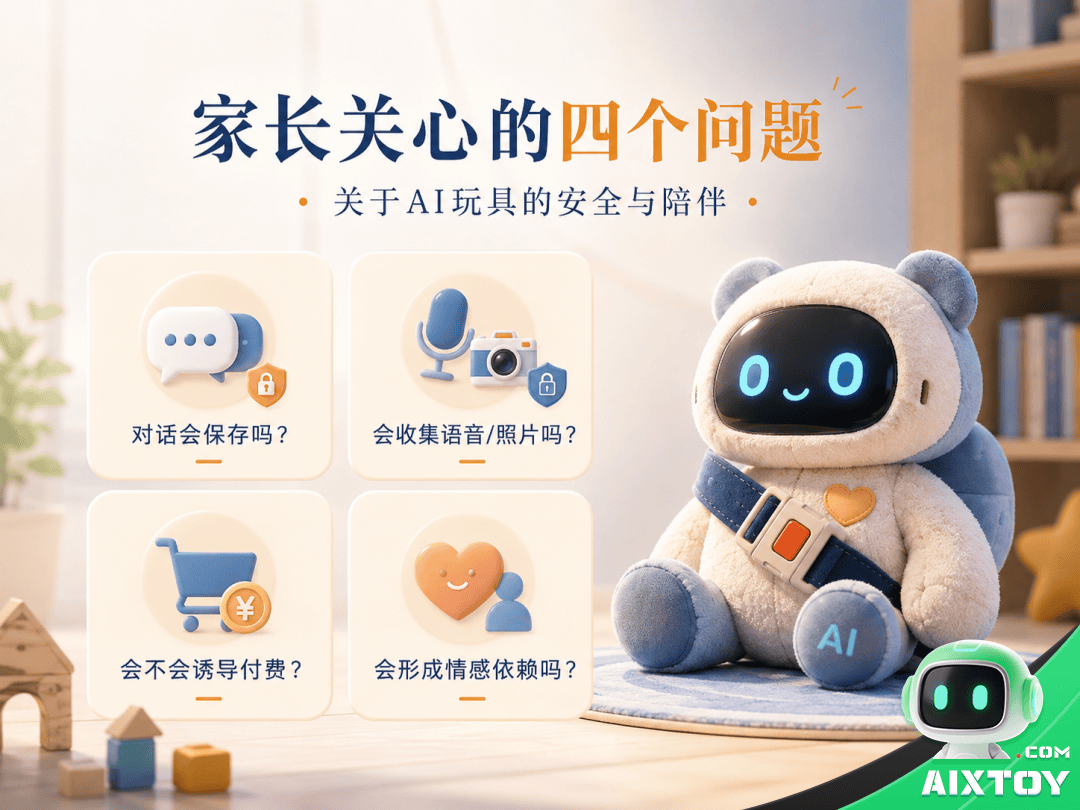
Marketing language about emotional intelligence and multimodal interaction sounds compelling in a pitch deck. But the questions that determine whether an AI toy stays in a home are far more concrete. Is the child’s conversation being saved? Are voice samples, photos, facial data, or home addresses being collected? Will the toy nudge the child toward repeated purchases, memberships, or emotional dependence on a character? When a child expresses loneliness, fear, or distress, does the toy respond with a safety prompt — or does it continue playing the role of an all-understanding best friend?
Common Sense Media addressed these questions directly in its January 2026 AI toy risk advisory, recommending that children aged five and under should not use AI companion toy products at all, and urging parents to carefully evaluate emotional dependency, privacy, and content safety risks for children aged six to twelve. These are not abstract concerns from a think tank. They are the exact questions that determine whether a product earns a permanent place in a household or becomes an uncomfortable memory that gets unplugged and buried in a closet.
The Four Capabilities Every AI Toy Brand Needs Now
The brands that navigate this transition successfully will not be the ones with the most compelling marketing copy. They will be the ones that invest in four foundational capabilities that most toy companies have never needed before:
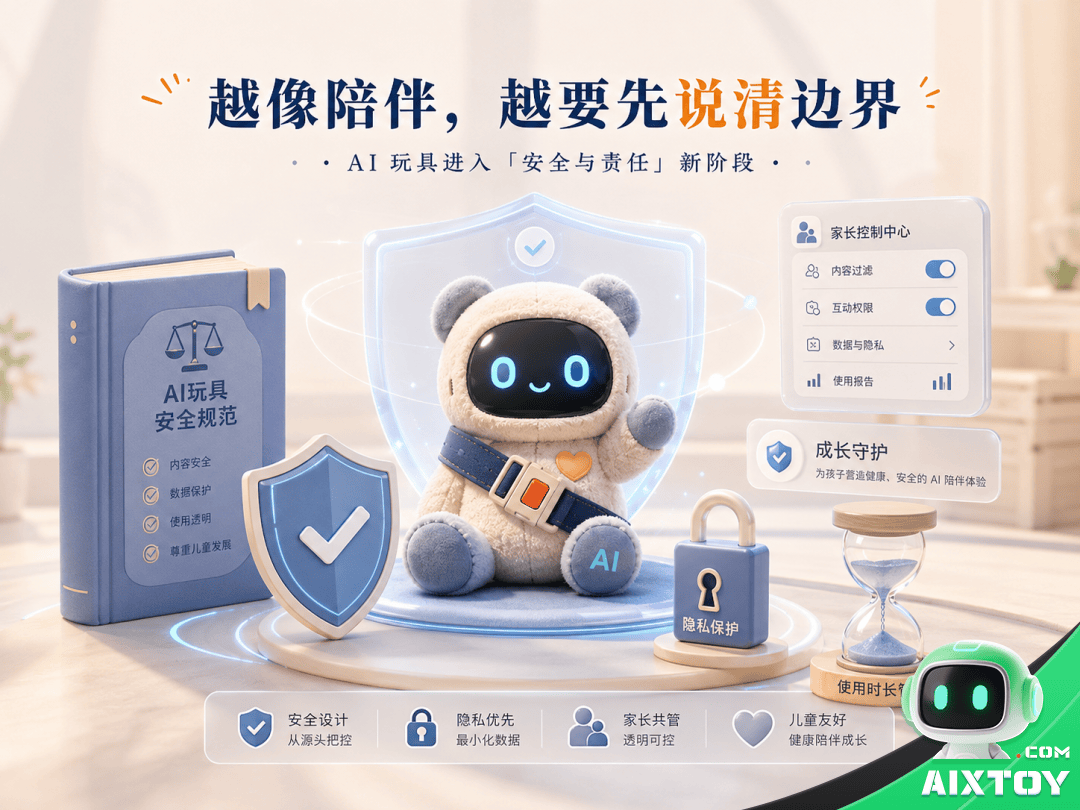
First, child mode must be conservative by default. Content filtering, time management, parental controls, sensitive topic escalation, and data minimization should be baseline features — not premium upgrades buried in a subscription tier. A product that ships to a six-year-old with full conversational freedom and no parental visibility is not innovative. It is negligent.
Second, character personality needs explicit boundaries. An AI character can be warm, funny, and companionable. It should never be positioned as “the only one who understands you.” This is especially critical in children’s and adolescent products, where the risk of manufactured emotional exclusivity is highest. The character should feel like a presence in the room — not the only presence that matters.
Third, data policies must be readable by an ordinary parent. What is collected, how long it is kept, whether it can be deleted, whether it is used for model training, and whether it is shared with third parties — these answers cannot live exclusively in a dense terms-of-service document that nobody reads. They need to be visible, navigable, and written in language a non-technical adult can understand in under two minutes.
Fourth, advertising and commercial content must be identifiable. If an AI toy recommends courses, accessories, memberships, or co-branded merchandise, the user — and the parent — must know this is a commercial recommendation, not the character’s sincere suggestion. The line between companion and salesperson must be visible at all times.
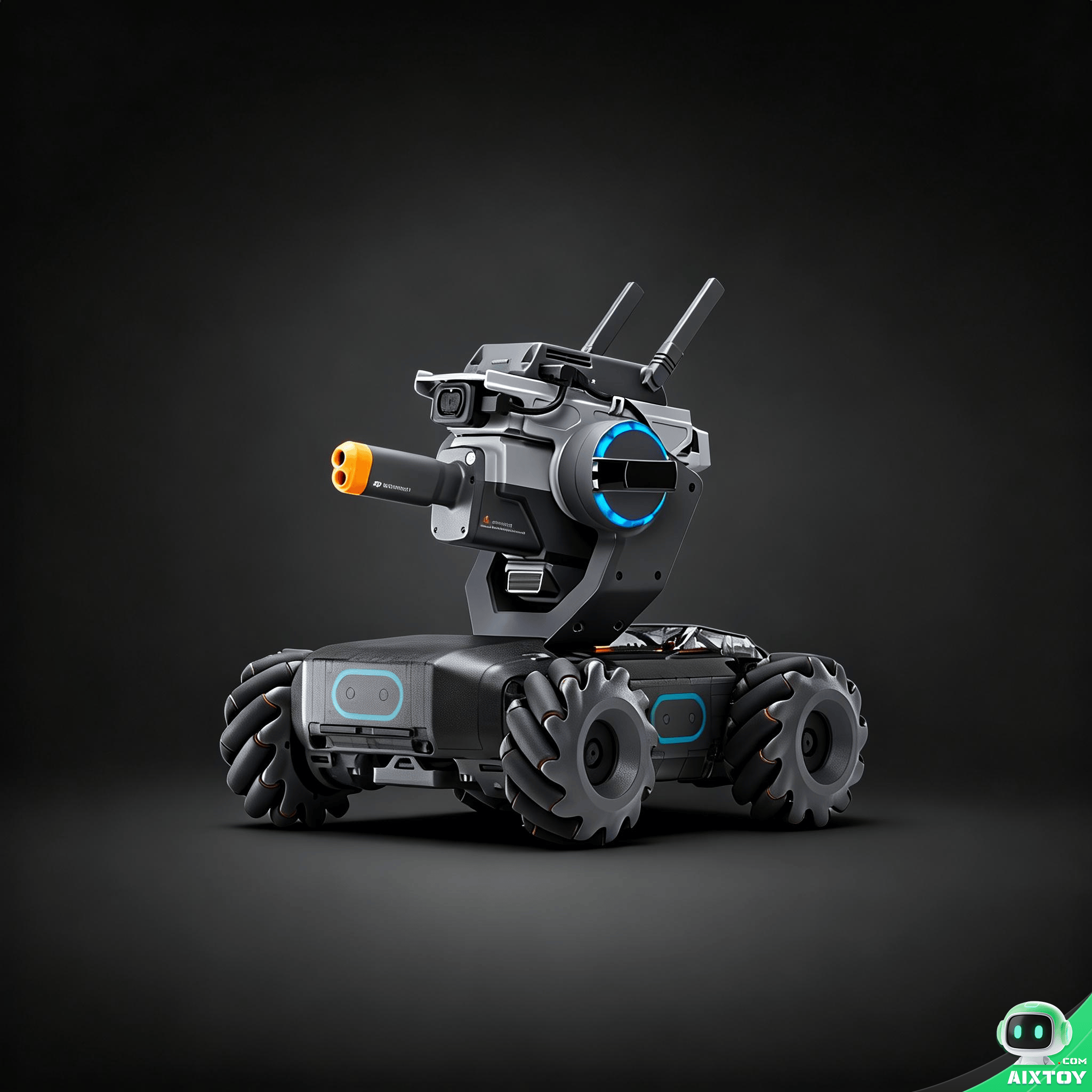
At AIXTOY, we believe in the power of AI companionship — which is exactly why we believe the industry needs to get the boundaries right. Our catalog spans desktop companions, AI plush toys, and interactive robot kits — products designed to delight, not deceive. The future of AI toys belongs to brands that can answer three questions simultaneously: why is it fun, how does it protect the user, and has it clearly told parents what it cannot do?
Safety Is Not the Enemy of Creativity
The AI toy industry is sometimes tempted to frame safety regulation as a creativity tax — something that slows down development, limits imagination, and adds compliance overhead. This framing gets the relationship exactly backward. Clear boundaries are not constraints on innovation. They are the conditions that allow innovation to scale. Parents who trust a product category buy more products within it. Regulators who see proactive safety design are less likely to impose reactive restrictions. Retailers who can confidently stock AI toys because the safety framework is visible are more likely to give them shelf space.
The future of AI toys will not belong to the companies with the most powerful language models or the cutest exterior designs. It will belong to the companies that can design characters, hardware, content, and responsibility as a single integrated system — where the safety belt is not an afterthought bolted on before launch, but a structural element designed into the product from day one. The AI toy industry is learning to run. It needs to learn to buckle up first.
Tags:AI Toy SafetyAI RegulationChildren PrivacyAIXTOYParental ControlsAI CompanionAI Robot ToyAI Plush ToysCommon Sense MediaDesktop Robot