


No products added!
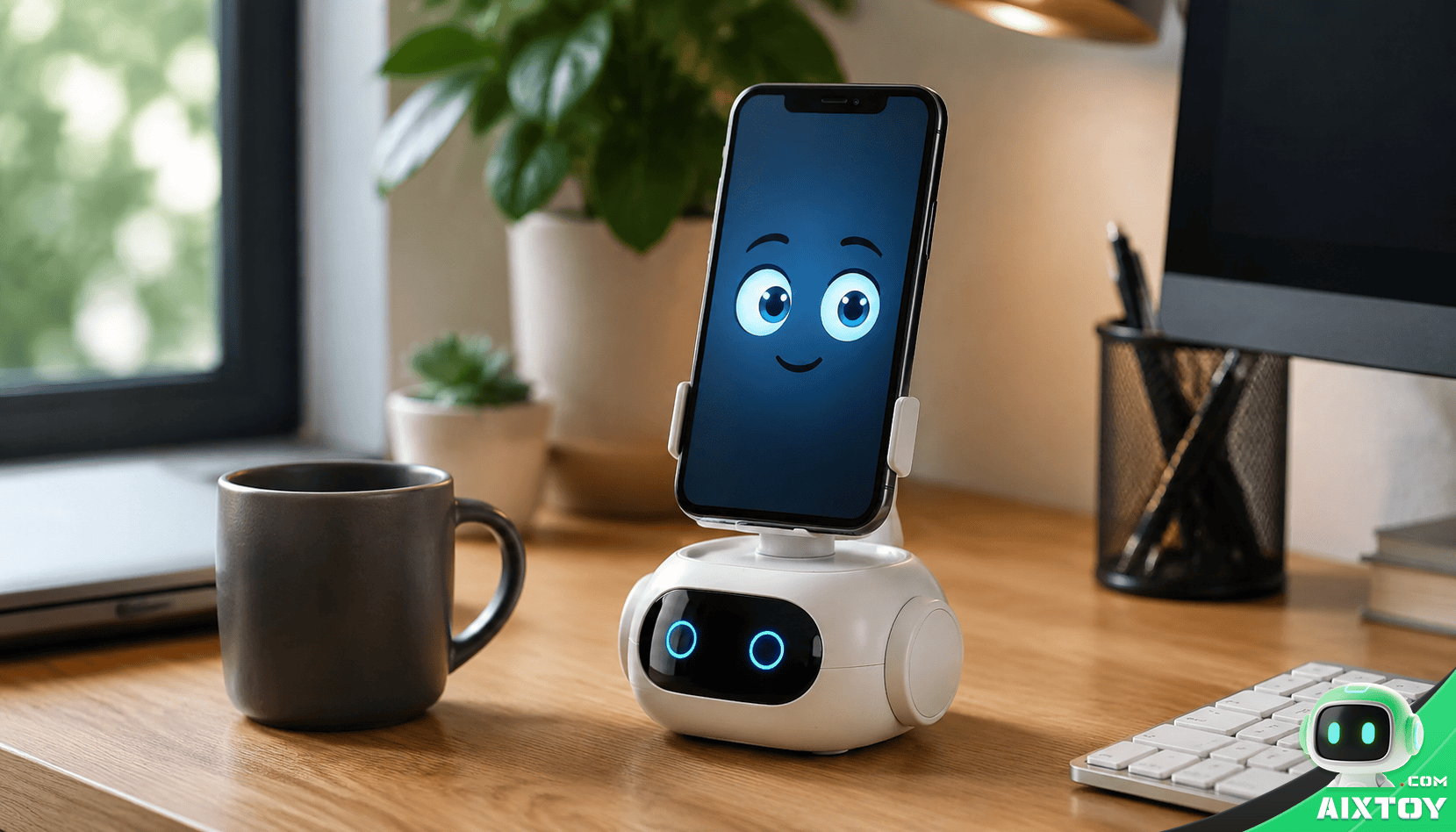
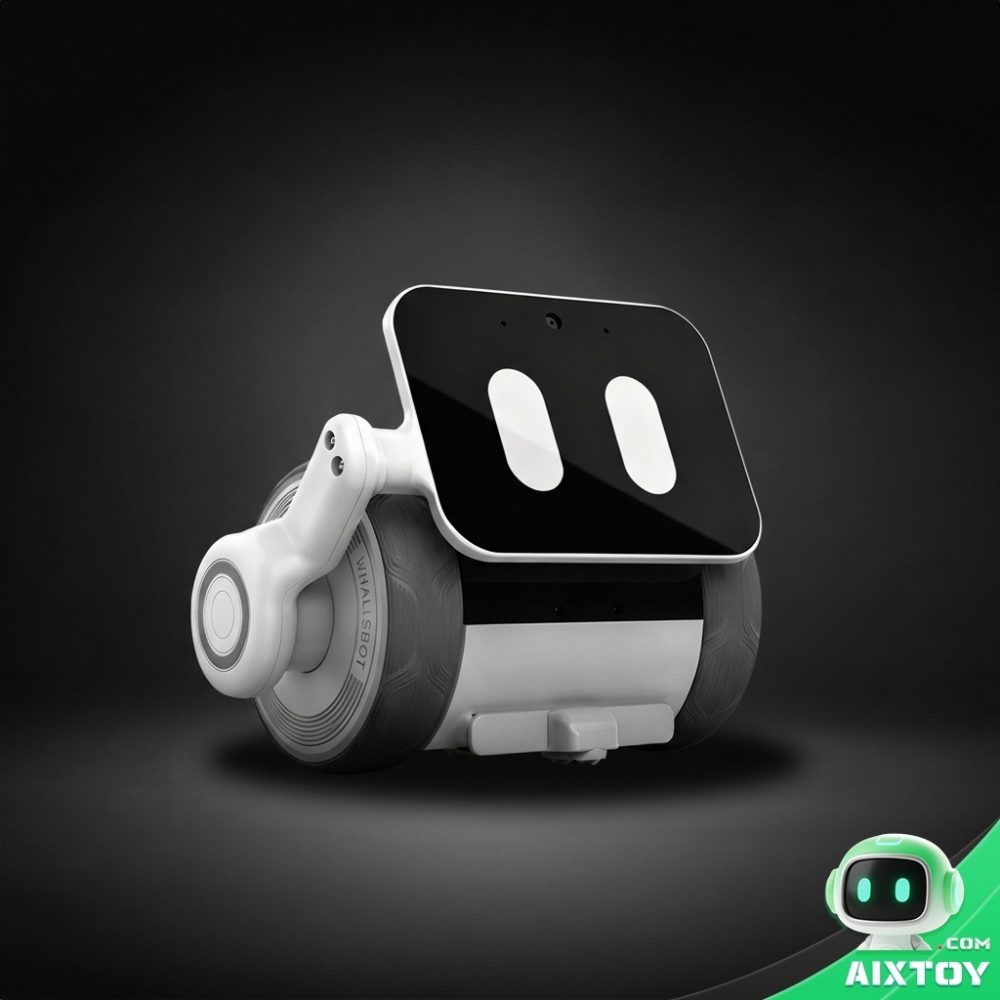
Walk into any designer toy store in 2026 and you’ll notice something new on the shelves. Between the blind boxes and limited-edition vinyl figures, there are now robots. Not the kind you’d find in a children’s toy aisle — these have expressive OLED faces, voice interaction, and enough personality to earn a permanent spot on an adult’s desk.
The line between designer art toys and AI-powered companions is blurring. And it’s creating one of the most interesting new categories in consumer hardware.
The Pop Mart Blueprint
To understand why designer AI toys are taking off, start with the company that doesn’t make them: Pop Mart.
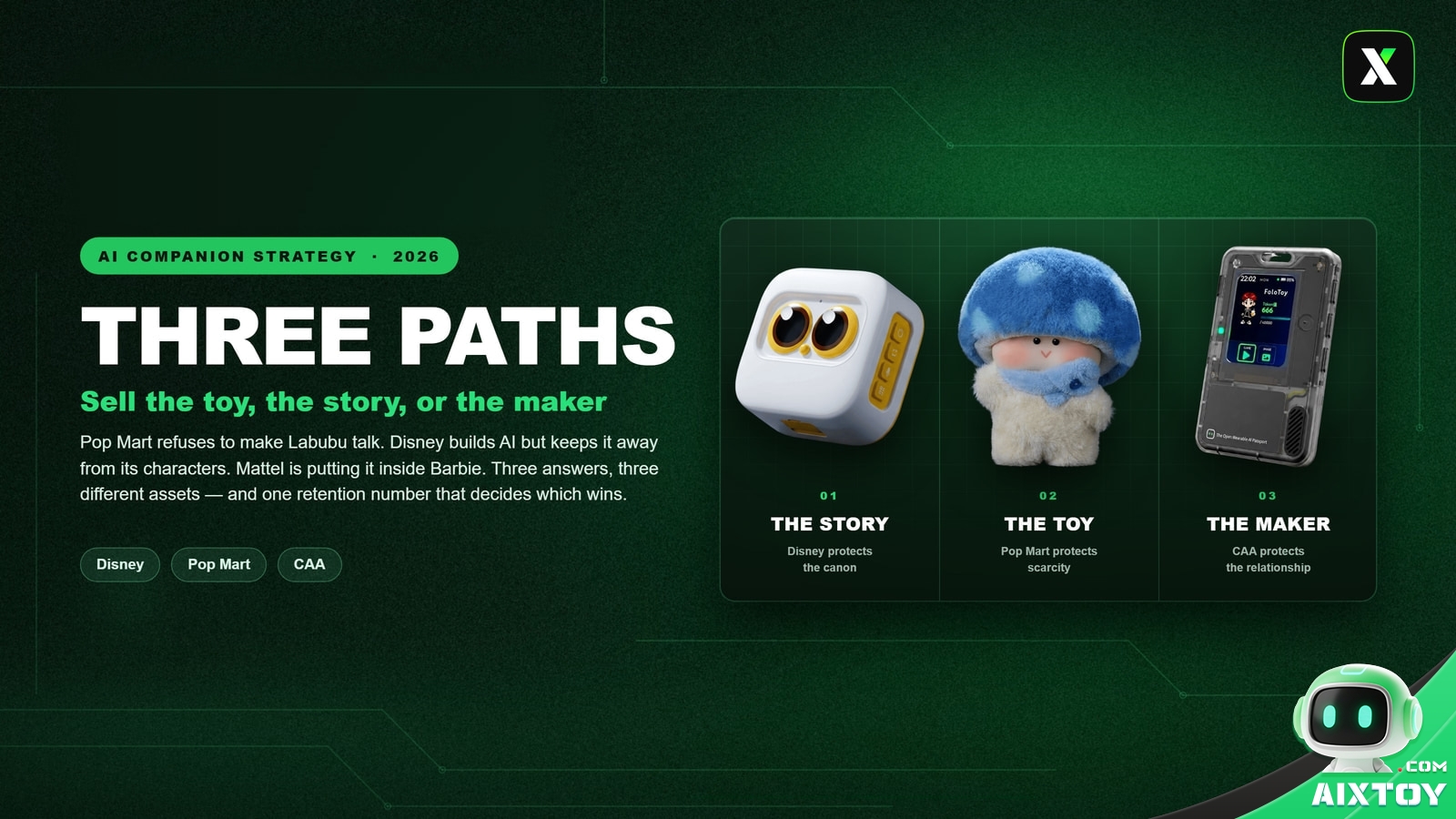
Pop Mart built a $10 billion empire on a simple insight — adults collect cute things. Their blind-box vinyl figures, led by the round-eyed, pouty-lipped Molly, proved that grown-ups will queue for hours, spend thousands on secondary markets, and build elaborate display shelves for objects with zero functional purpose. A Molly figure doesn’t move, talk, or learn. It just sits there looking adorable. And that’s enough.
Now combine that collector psychology with actual AI capability. A robot that looks like a designer vinyl figure but also recognizes your face, responds to your voice, and develops personality over time — that’s not just a toy. It’s a designer object that earns its shelf space ten times over.
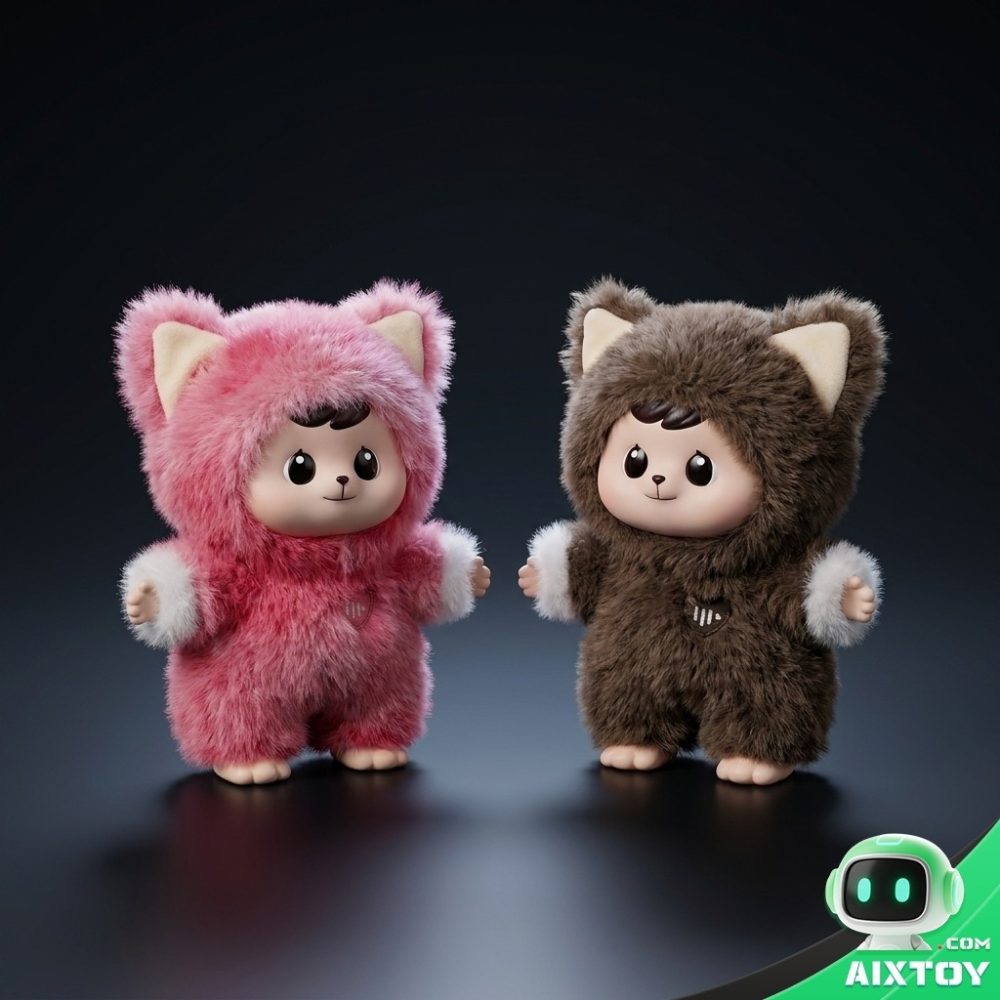
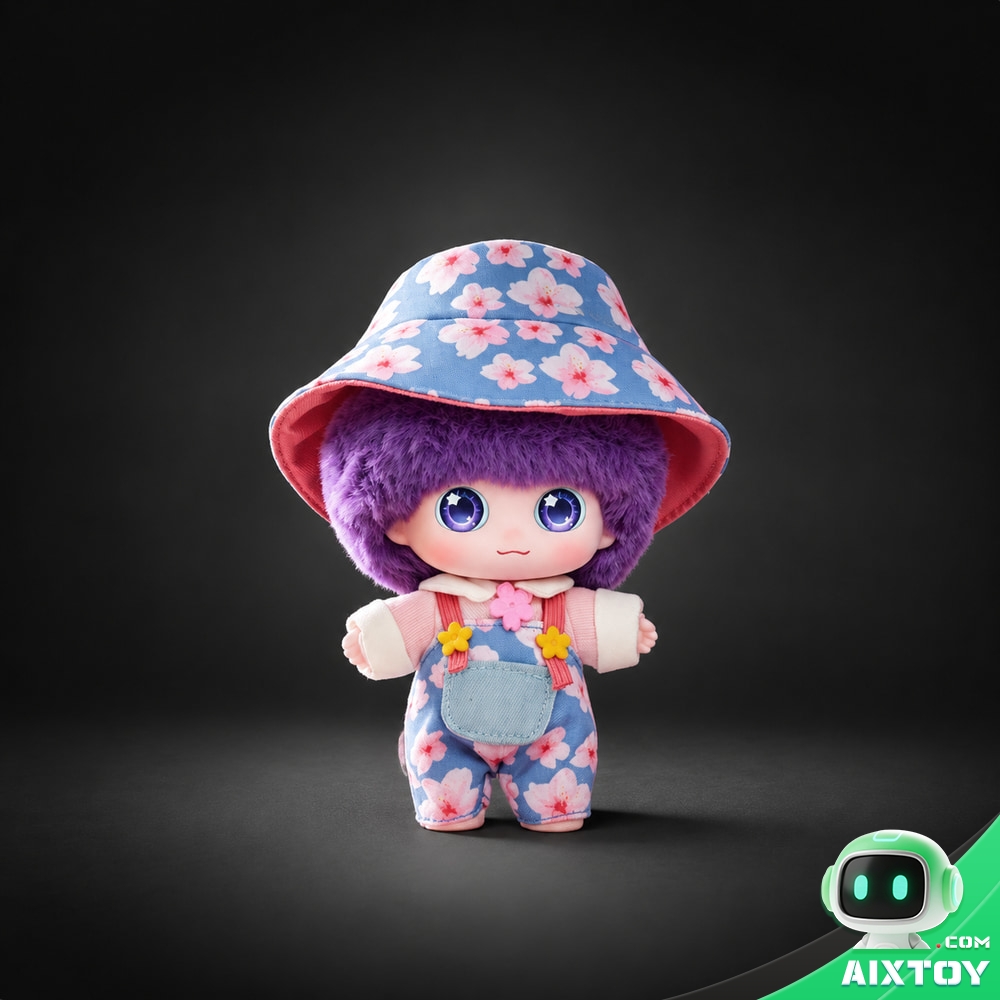
The aesthetic language is unmistakable: sofubi-grade matte finishes, oversized glossy eyes with specular highlights, rounded anthropomorphic proportions, and a color palette that would feel at home in a KAWS exhibition. These aren’t industrial robots with exposed servos and cable management. They’re art objects first, machines second.
When Design Leads, Technology Follows
The first wave of consumer AI hardware made a critical mistake: it led with specifications. Processor speed. Sensor arrays. API integrations. The products were technically ambitious but visually forgettable — generic plastic enclosures that screamed “engineering prototype” rather than “object of desire.”
The second wave, unfolding now, inverts that priority. The breakout AI companions of 2026 — from KEYi Tech’s Loona Deskmate to M5Stack’s StackChan — share a common thread that has nothing to do with their silicon: they’re genuinely beautiful objects you’d display even if they never powered on.
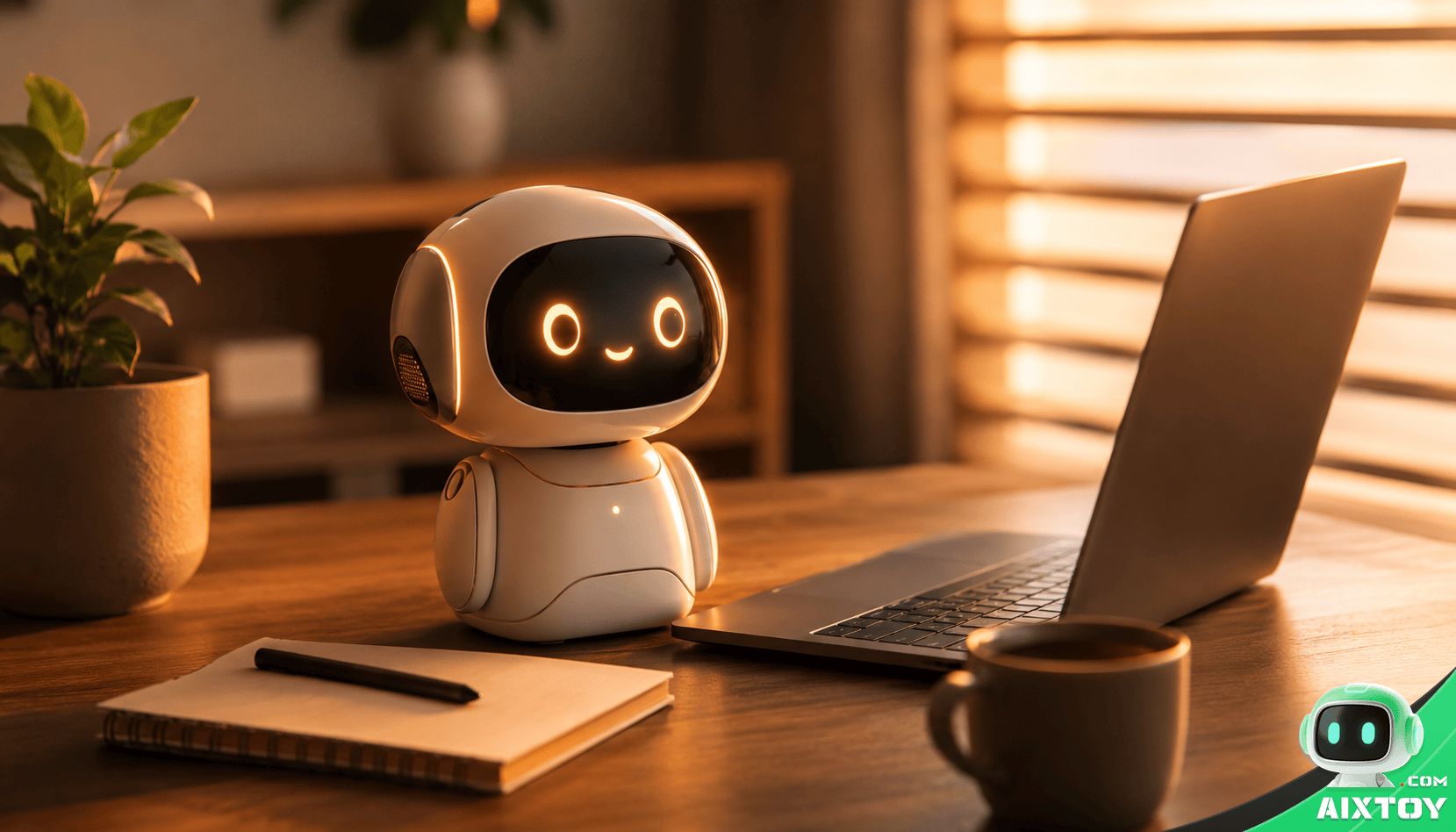
This is not a superficial observation. It’s a product-market-fit insight. A robot that looks like lab equipment lives in a drawer. A robot that looks like a designer toy lives on the desk, the nightstand, or the shelf — exactly where it needs to be to form a relationship with its owner.
Three Design Principles Driving the Category
1. Eyes Are Everything
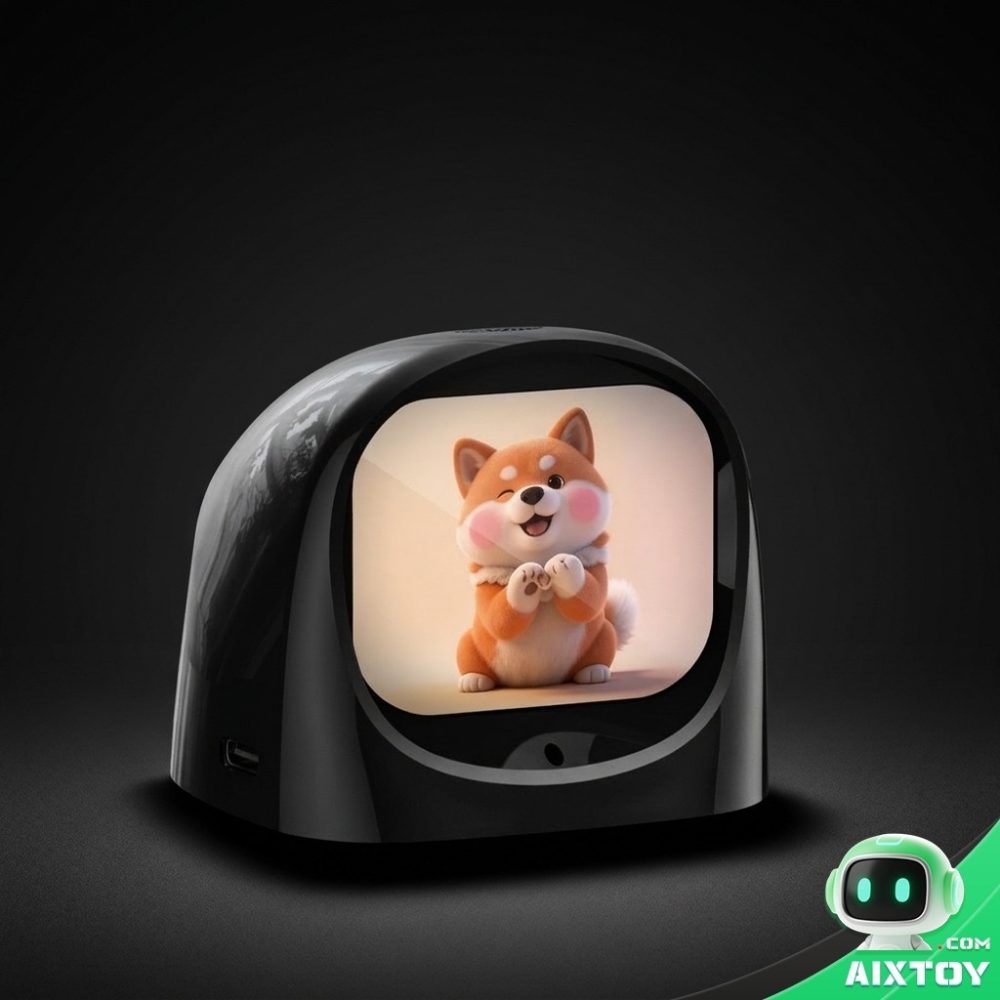
The single most important design element in a designer AI toy is its eyes. Not cameras — eyes. Large, expressive, high-resolution displays that convey emotion through glance direction, blink timing, pupil dilation, and expression transitions. The best examples in the category use animated eye systems that draw directly from anime and Pixar character design principles. A well-designed pair of robot eyes can communicate more emotional presence in a single glance than a thousand words of chatbot dialogue.
2. Matte Everything
Glossy plastic reads as cheap. Matte, soft-touch finishes — especially in muted pastels, warm whites, and charcoal tones — read as premium. The material language of designer AI toys borrows heavily from the sofubi (soft vinyl) tradition in Japanese designer toys, where the tactile quality of the object is as important as its visual design. A designer AI toy should feel good to pick up.
3. Desk Presence Over Tech Presence
Traditional consumer robots try to command attention through motion and sound — waving arms, beeping, spinning. Designer AI toys take the opposite approach. They sit quietly, with a calm, grounded posture. Their presence is architectural rather than theatrical. The goal isn’t to demand your attention but to become part of your environment — an ambient companion that fits naturally alongside your keyboard, coffee cup, and houseplants.
The Collector Economy Meets Consumer Tech
Here’s where it gets genuinely interesting from a market perspective. Designer AI toys inherit two distinct buying behaviors that rarely coexist in a single product category:
- The Tech Buyer: buys one unit, evaluates specs, compares features, treats it as a gadget
- The Collector: buys multiple units, cares about variants and limited editions, treats acquisition as a hobby
When these two psychologies converge on the same product, something powerful happens. The tech buyer provides the initial adoption spike at launch. The collector provides the long tail — returning for seasonal colorways, collaboration editions, and accessory packs long after the spec sheet is old news.
We’ve seen early signals of this with products like Vector 2.0 and Loona, where limited-edition color variants and seasonal face packs generated genuine collector enthusiasm. The next logical step — AI toys designed from scratch as collectible art objects, with serial numbers, artist collaborations, and gallery-style unboxing experiences — is already in motion.
What This Means for the AI Toy Market
The designer AI toy category is still nascent, but the trajectory is clear. Three shifts are already visible:
- Adult demographics are opening fast. AI toys are no longer confined to children’s education. Office workers, remote professionals, anime collectors, and design enthusiasts are all emerging as viable customer segments.
- Distribution is diversifying. These products won’t just live in toy stores. They’re already appearing in designer boutiques, crowdfunding platforms, tech accessory shops, and museum gift stores.
- Aesthetics are becoming the primary differentiator. As AI capability becomes commoditized (everyone can integrate ChatGPT, everyone has servo motors), the look and feel of the object — its sculptural quality, material choices, and emotional expressiveness — becomes the real competitive advantage.
For consumers, this means more beautiful, more personal, and more display-worthy AI companions. For the industry, it means the addressable market just expanded from “parents buying educational toys” to “anyone who has ever purchased a designer figurine, a desk ornament, or a piece of lifestyle hardware.”
That’s not a niche. That’s most adults with a desk.
Discover designer AI toys and desktop companions at AIXTOY Shop.
Tags:AI Robot ToyAIXTOYArt Collectible RobotDesigner AI ToyDesktop RobotPop Mart StyleVinyl Robot