


No products added!
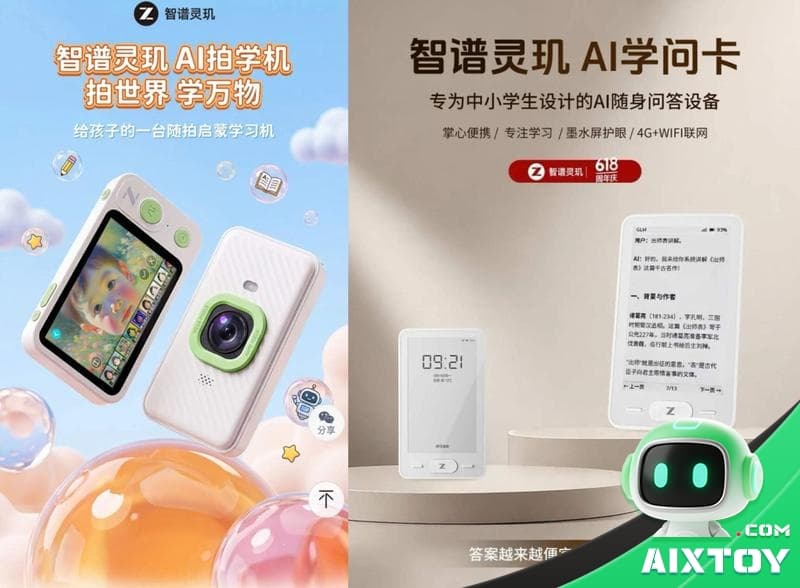
The AI education hardware race just got a heavyweight entrant. Zhipu AI, a foundation model company recently listed in Hong Kong with a market cap exceeding HK$600 billion (approximately US$77 billion), quietly launched two education devices two weeks ago: the Zhipu Lingji AI Photo-Learning Machine and the Zhipu Lingji AI Knowledge Card.
Priced at ¥599 (~US$83) and ¥799 (~US$110) respectively, they are not cheap — but not outrageously expensive either. Two products, two distinctly different philosophies.
The AI Photo-Learning Machine: Point, Shoot, Learn
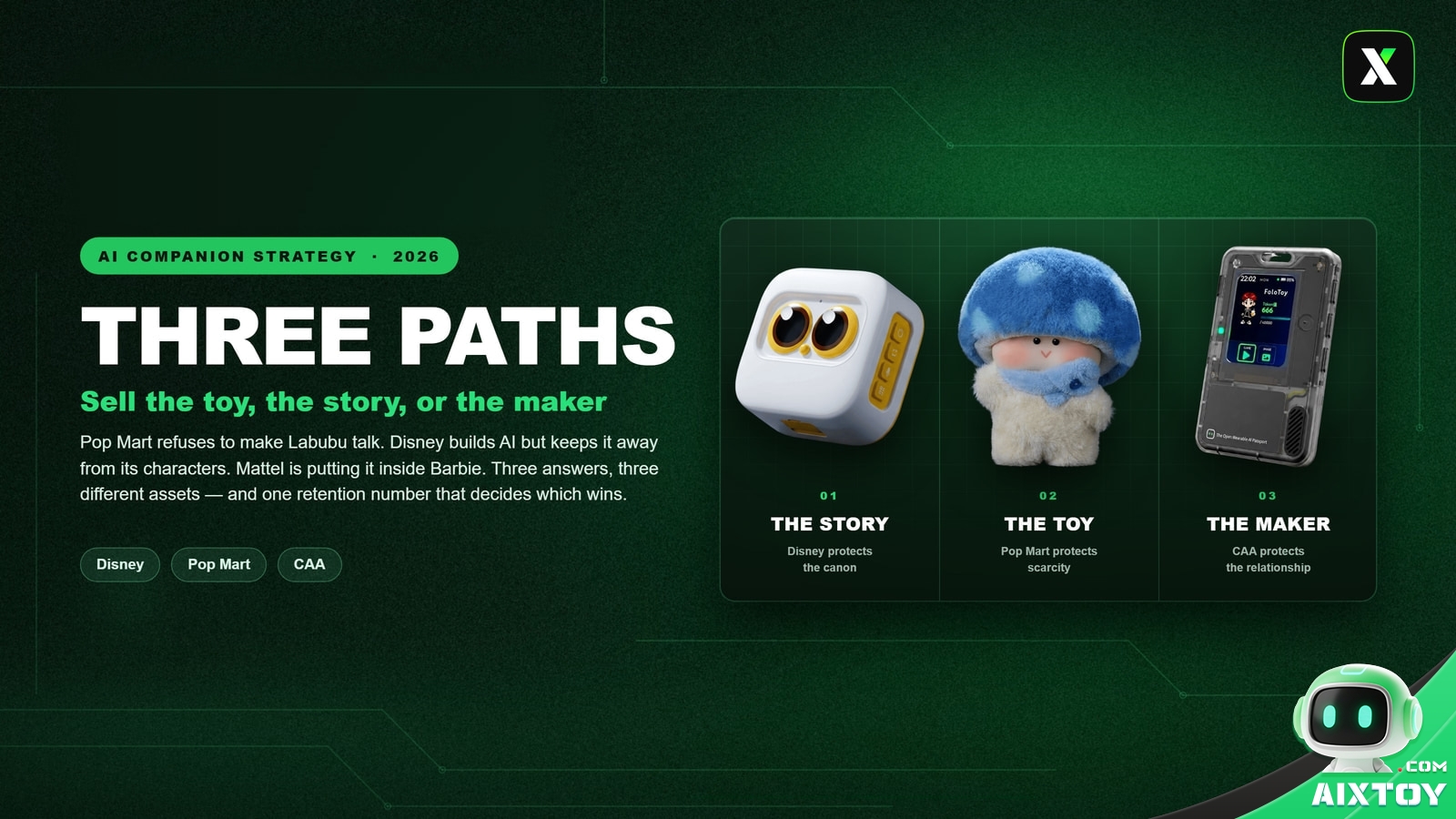
Designed for children aged 3 and up, the Photo-Learning Machine looks like a small cube with a built-in camera. A child points it at anything — a flower, an insect, a bus, a math problem — and Zhipu’s GLM foundation model instantly identifies, explains, tells stories, and interacts. The feature set is comprehensive: universal object recognition, AI storytelling, doodle-to-image generation, magic transformations, bilingual Chinese-English learning, and character companionship. It creates a closed loop where “snap to learn” becomes a natural behavior.
At ¥599 (~US$83), it sits in the middle-to-upper tier of the category. Competing products including Ling Universe’s Little Square Machine (¥499 / ~US$69 at launch) and Ludka Doctor’s AI Photo-Learning Machine (¥500–600 / ~US$69–US$83). Zhipu commands a slight premium on brand and proprietary model strength — but whether that holds depends entirely on real-world experience.
The AI Knowledge Card: E-Ink, Zero Distraction, Pure Inquiry
The Knowledge Card is the more philosophically ambitious of the two. E-ink display. Palm-sized. No games, no short videos, no social features — just one function: asking AI questions. Targeted at elementary and middle school students, its selling point is radical focus. As Zhipu puts it: “Answers are getting cheaper. Questions are getting more valuable.”
Priced at ¥799 (~US$110), the Knowledge Card is already piloting in schools — a signal that Zhipu sees it as both a consumer product and a potential institutional device. But the challenge is real: can a pure Q&A device justify its price tag through sustained usage frequency and genuine stickiness? The answer depends on whether the AI conversation quality is compelling enough to make every question feel like a discovery worth chasing.
Why Would an AI Model Company Build Hardware?
Zhipu is a model company. Its business is training large language models, selling APIs, and serving enterprise agents. In 2025 it reported ¥724 million in annual revenue against a net loss of ¥4.7 billion, with R&D spending at ¥3.18 billion — a classic “burn cash for scale” phase. So why children’s hardware?
First, models need a physical body to reach users. A model running in the cloud, accessed only by developers, is invisible to consumers. Hardware — especially children’s hardware — is the most direct entry point. A child using a photo-learning machine every day generates real usage data and closes a feedback loop that no API dashboard can replicate.
Second, education hardware represents one of the few AI consumer categories with demonstrated willingness to pay. Adults pay for efficiency. Parents pay exponentially more for their children’s future. A few hundred yuan for an AI device that makes a child “ask a few more whys” lands squarely in a mental account that decades of reading pens, learning tablets, and story machines have already opened.
Third, the photo-learning category has no dominant player yet — Ling Universe, Ludka Doctor, and Smart Pocket are all in early stages, with brand awareness still forming. Zhipu entering the window with its own model technology has a genuine shot at capturing mindshare.
The Bigger Picture: Hardware as a Model Distribution Channel
Zhipu is not trying to become the next BBK or Readboy. Its core asset remains model capability. The hardware’s purpose is to make the model touchable, experienceable, and monetizable. The question is not whether Zhipu can design consumer electronics — it’s whether the product experience justifies the technology promise, whether the content ecosystem can sustain ongoing updates, and whether after-sales and service can keep pace. The education hardware race is just beginning, far from its endgame. But one thing is clear: whoever makes every snap and every question feel worthwhile will hold the ground five years from now.
At AIXTOY, we watch the intersection of AI, learning, and play. Explore our AI plush toys, desktop companions, DIY robot kits, and shop the full collection.
Tags:Zhipu AiAi EducationEdtech HardwareAI ToyAIXTOYEdtechChildren LearningAi Photo LearningVoice Activated ToyEducational Toy