


No products added!

Over the past two years, hardware makers have been shipping AI pendants and desktop robots as separate categories. A mainland China startup called Lingverse is now merging the two hottest AI hardware forms into one: iKairos, a “wearable robot” that works both as a pendant and as the head of a desktop companion. The product drew steady attention at IFA Berlin with its flexible, modular design.
What iKairos Is
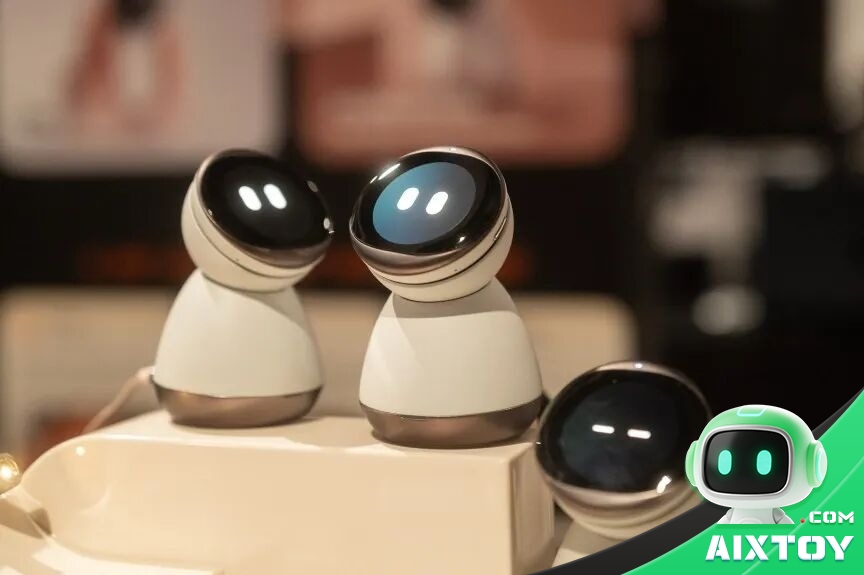
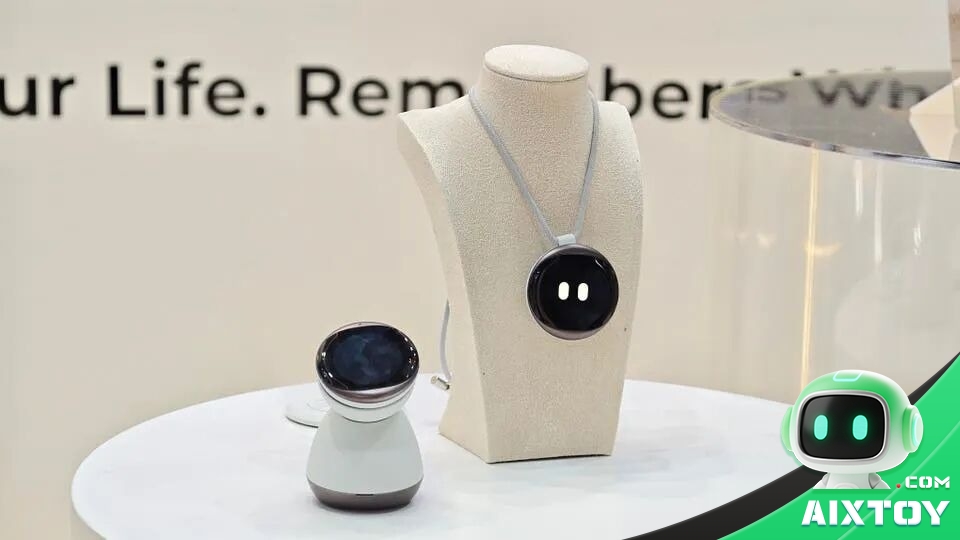
iKairos is a modular system built around a circular AI host roughly the size of a large smartwatch face. This core, which the company calls the “neural core,” can be worn as a pendant on a lanyard, or docked into a desktop robot base as the robot’s head. It therefore spans two product categories at once — wearable and robot — a genuinely unusual positioning. Launch units ship in these two forms, and Lingverse plans to add more hardware adapters over time.
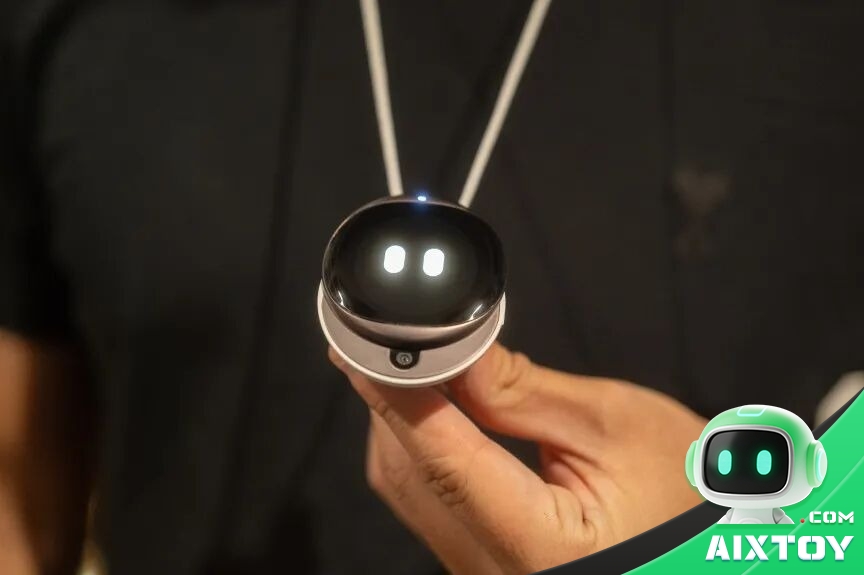
Most AI hardware has a clear purpose — voice memos, life logging or productivity. iKairos sits between life logging and productivity. It passively senses and records your conversations, surroundings and preferences, much like the AI pendant Looki — keeping your memory fragments on one hand, and offering practical everyday suggestions on the other.

The mini robot can also switch into desktop form. Because the neural core can swap between different carrier bases, iKairos gathers information from multiple perspectives across scenes — for example, how you work at home, where you like to go in your free time, who matters in your life, and how you unwind.
Privacy and the Camera Design
The core module has a built-in display that shows a pair of cartoon eyes; the module slides open to reveal a built-in camera for photos and video. To protect privacy, the camera is not permanently exposed and always-on — a contrast with AI devices like Looki or AI glasses whose cameras are always visible. Alongside the physical cover, an indicator light below the camera turns on clearly when the camera is active.
According to Lingverse, voice detection and capture are processed on-device, and all cloud-processed data is encrypted. The company also stresses that user data is not used for model training. The core design goal is to capture the contextual information needed to understand your personality and daily state: distilling insights, recognizing behavior patterns and snapping memory snapshots you can review later. For now, though, the product has yet to show a decisive killer feature.
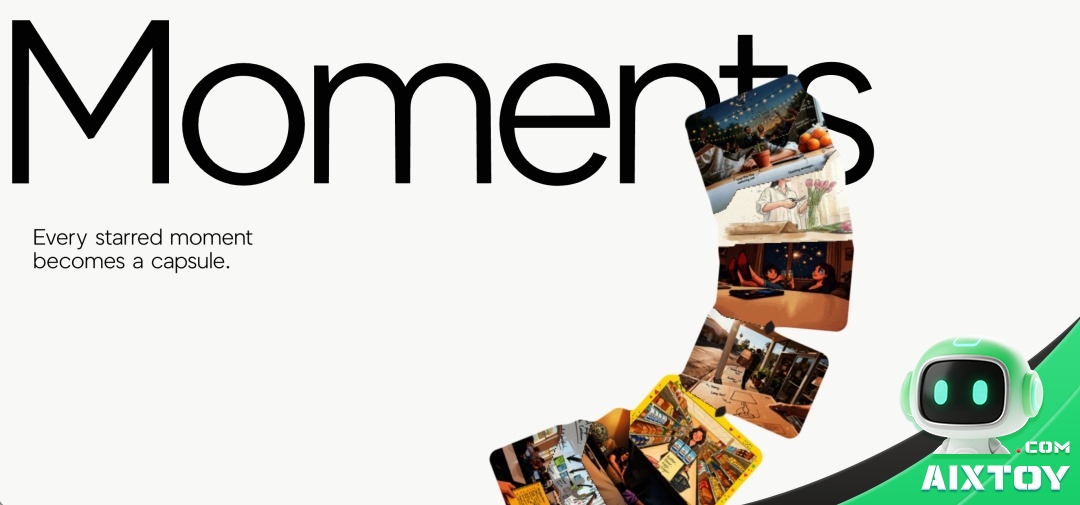
When it ships, it will be interesting to see whether these contextual signals can combine with agentic AI applications so the AI proactively acts on your behalf. Lingverse is still refining iKairos and has not announced pricing or a launch date, but you can join the waitlist on the iKairos website.
The Company Behind It: Lingverse
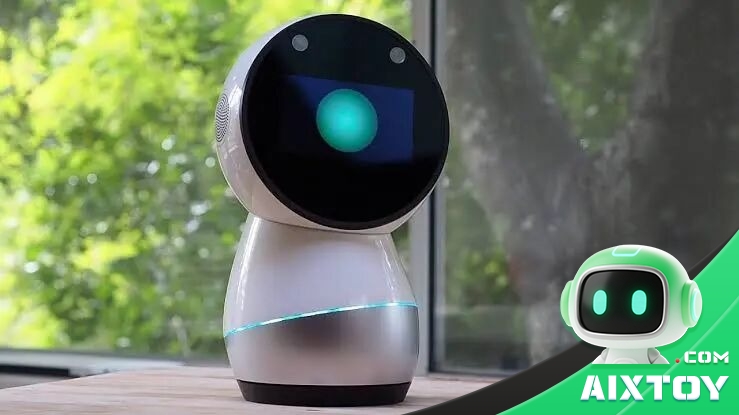
Lingverse’s founder, Jiawei Gu, is the founder of Wuling Technology and a former board member and investor of the social robot Jibo, which could take family photos and was named one of TIME’s Best Inventions of 2017 before shutting down its servers in 2019 amid financial trouble. Visually, iKairos bears a strong resemblance to Jibo.
Gu is a serial entrepreneur. He earned his bachelor’s degree at Tongji University and was recommended to Tsinghua University, then worked on human-computer interaction at Microsoft Research Asia — contributing to Xbox Kinect, the Surface keyboard and Windows 10. In 2014 he joined Baidu’s Institute of Deep Learning as head of HCI, becoming one of Baidu’s “Young Eagles” scientists, where he led projects including the BaiduEye smart glasses, the DuLight assistant for the visually impaired, FaceYou and the DuBike smart bicycle.
In 2016 Gu founded Wuling Technology, focused on consumer AI hardware and educational robots — best known for the Luka picture-book reading robot, which won multiple international design awards. In 2023 he founded Lingverse, focused on relational interaction and a physical-world AI operating system called LingOS, aiming to build a “companion-style” spatial AI interaction system.
Public records show Lingverse completed three funding rounds within six months of founding, followed by a Pre-A round of nearly RMB 200 million (about $29.5 million) in 2025, with investors including SenseTime, 37 Interactive Entertainment, Xueda Education, Guofang Innovation and Didi Chuxing. The core team comes from Microsoft, Google, Baidu and SenseTime.
At AIXTOY, we curate AI toys and smart companions with genuine first-party sourcing and quality checks on every product before it ships — from desktop companion robots and AI pendants to AI companion robots. For more on where wearable AI and companion hardware are heading, see our buying guides and industry analysis.
Tags:iKairosLingverseAI PendantWearable AIDesktop RobotAI CompanionRobot NewsAI Robot ToySmart Toys