

No products added!
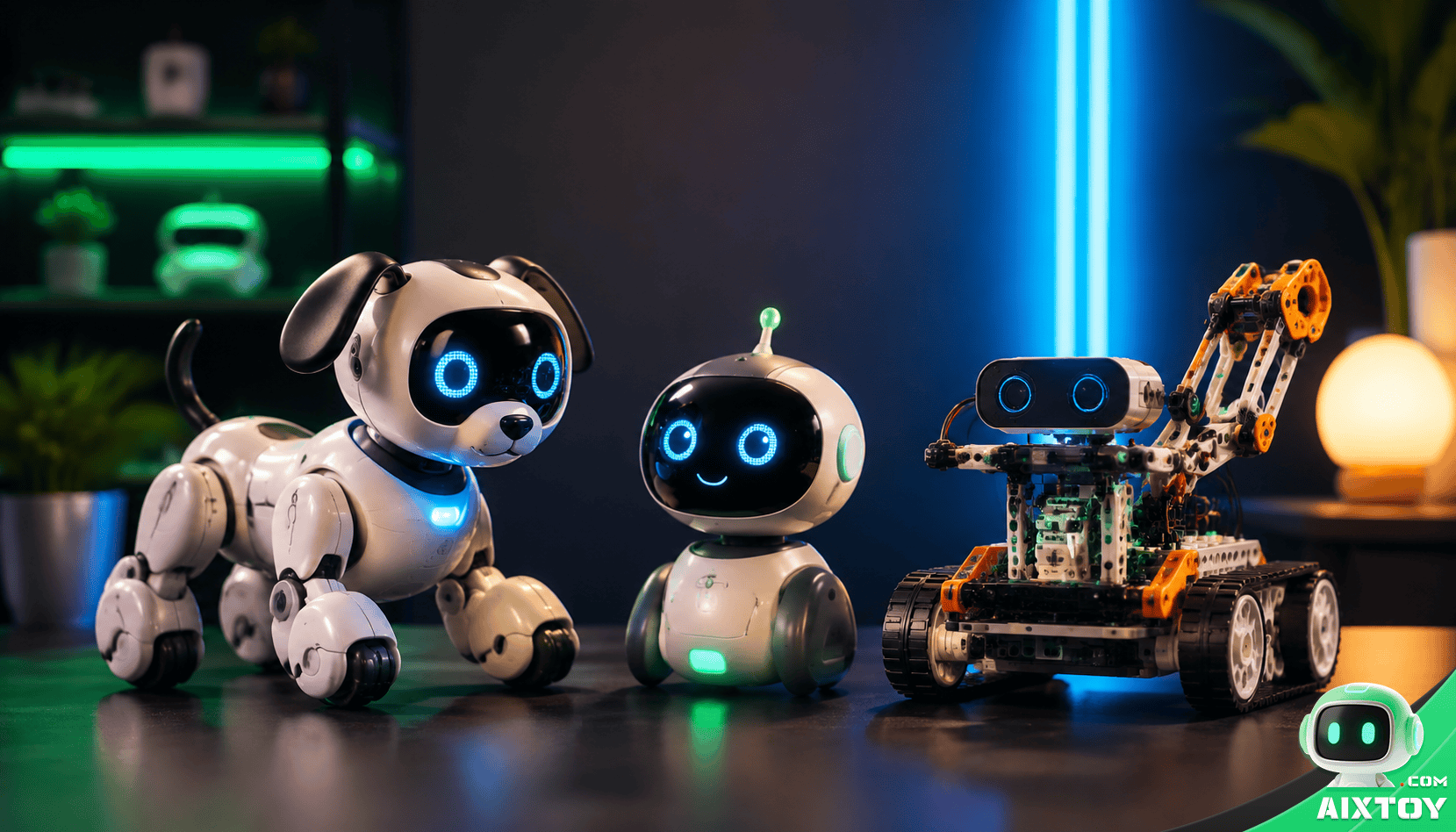
Parents, educators, and tech enthusiasts — if you’re searching for a well-made AI robot toy that balances fun with real educational value, you’ve come to the right place. With hundreds of options on the market, choosing a toy that is both safe and genuinely enriching can feel overwhelming. This guide helps you navigate the landscape, introducing our current lineup of AI robot toys that build coding skills, spark creativity, and bring families together for hands-on learning in 2026.
Why AI Robot Toys Matter for Child Development
Artificial intelligence is no longer a distant future — it’s in our homes, our cars, and increasingly, our children’s toy boxes. AI robot toys represent a fundamental shift in how kids interact with technology. Unlike passive screen time, these intelligent playmates respond, adapt, and grow alongside your child.
Research consistently shows that hands-on, interactive learning yields better retention and deeper understanding than passive consumption. When a child programs a robot to navigate a maze or respond to voice commands, they are not just playing — they are developing computational thinking, problem-solving muscles, and a growth mindset that will serve them for life. From STEM education fundamentals to block-based programming and parent-child interaction, AI robot toys are a powerful bridge between play and learning.
Key Considerations When Choosing an AI Robot Toy
1. Age Appropriateness
Not all robots are created equal across age groups. For children aged 4-7, look for voice-activated companions with simple interactions and durable construction. For ages 8-12, programmable robots with visual coding interfaces hit the sweet spot. Teenagers and adults will appreciate open-source platforms with Python support and advanced sensor modules that allow deep customization.
2. Educational Value
The most valuable AI robot toys teach coding for beginners through play. Look for platforms that support Scratch, Blockly, or Python — these transfer directly to real-world programming skills. Robots with computer vision, speech recognition, and autonomous navigation add layers of learning. Browse our full collection of STEM robot kits.
3. Build Quality & Safety
AI robot toys should survive drops, bumps, and the occasional rough play session. Prioritize products with rounded edges, BPA-free materials, and certified electronics. Every product listed in the AIXTOY store undergoes quality checks before listing.
4. Programmability & Expandability
A great AI robot toy grows with your child. Entry-level models may offer remote control and preset behaviors, while advanced kits include Raspberry Pi or ESP32 controllers that support endless customization. Look for robots with expansion ports, additional sensor compatibility, and active community support — these stay engaging for years, not weeks.
5. Price vs. Long-Term Value
While entry-level AI toys start around $80, premium programmable robots with computer vision can reach $500+. The key question is not just upfront cost, but cost-per-hour of engagement. A $300 robot that teaches coding for three years is a far better investment. Explore our AI companions category.
🏆 AI Robot Toys Available at AIXTOY
Below are the AI robot toys currently available in our store. We’ve organized them by use case to help you find the right fit — whether you’re shopping for a young first-timer, a curious tinkerer, or an aspiring engineer. New models are added regularly.
🥇 For Young Beginners: Interactive AI Robot Toy — Minions Edition
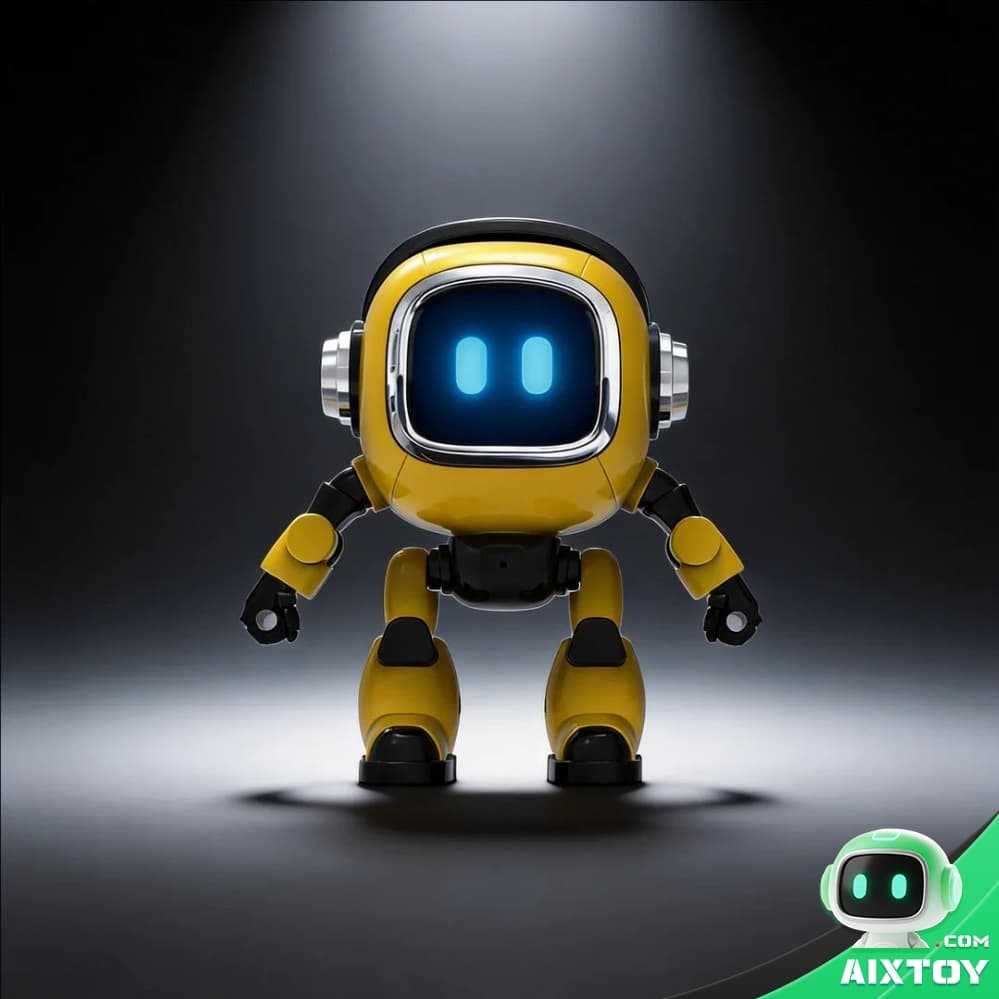
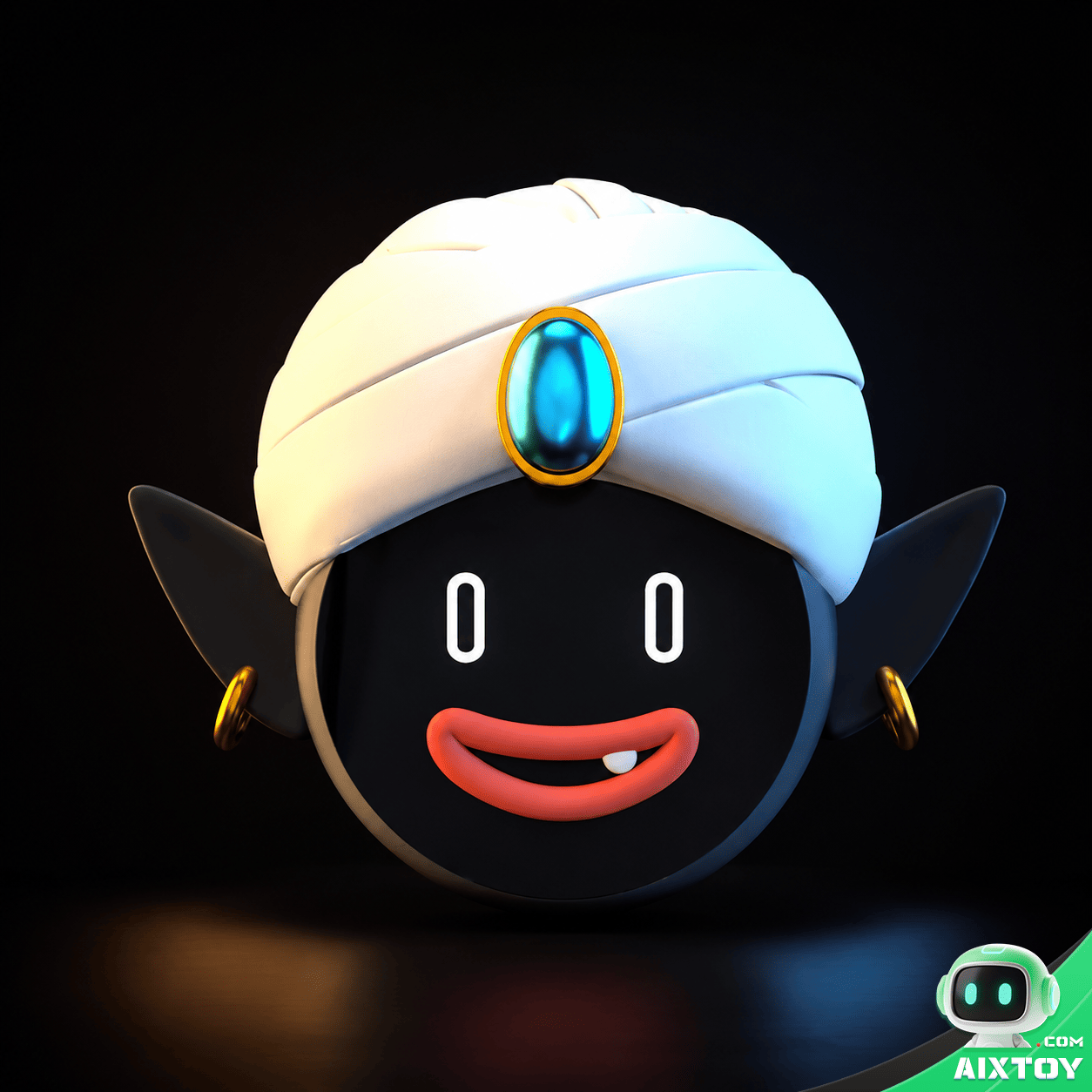
🥇 Interactive AI Robot Toy — Minions Edition
$99.99
Voice-activated talking buddy with multi-language AI chat. A delightful first robot for ages 5+ — responds to questions, tells jokes, and dances.
This cheerful Minions-themed companion is a wonderful first robot for children aged 5+. With multi-language voice interaction, touch sensors, and expressive animations, it introduces young minds to the idea that technology can be a friend — not just a screen. At under $100, it’s an accessible entry into AI-powered play. Browse the full Minions AI Robot Toy specs.
🥈 Great Value Pick: AI Programmable Smart Mechanical Dog
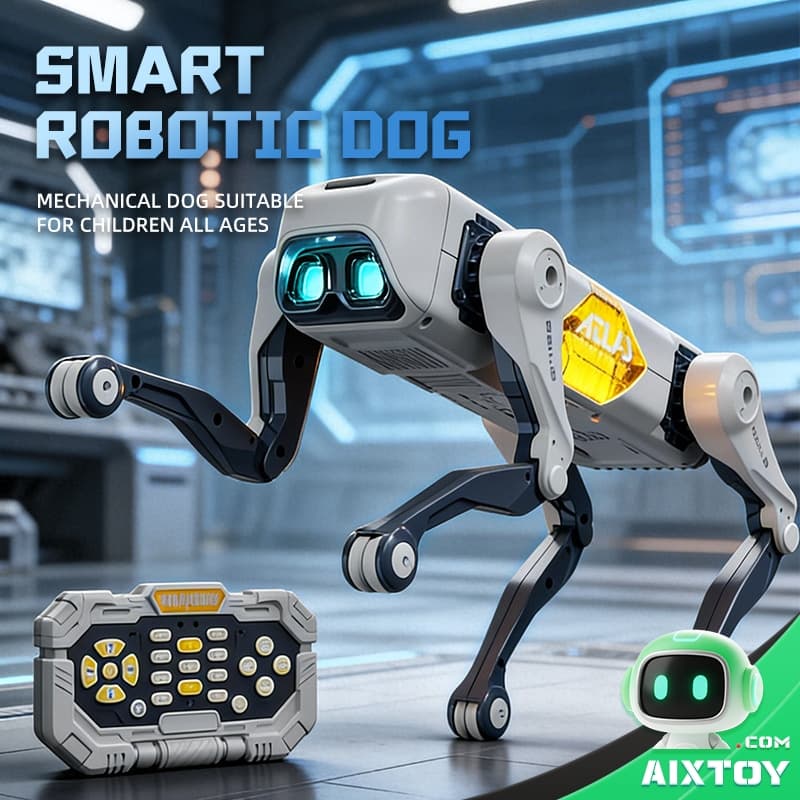
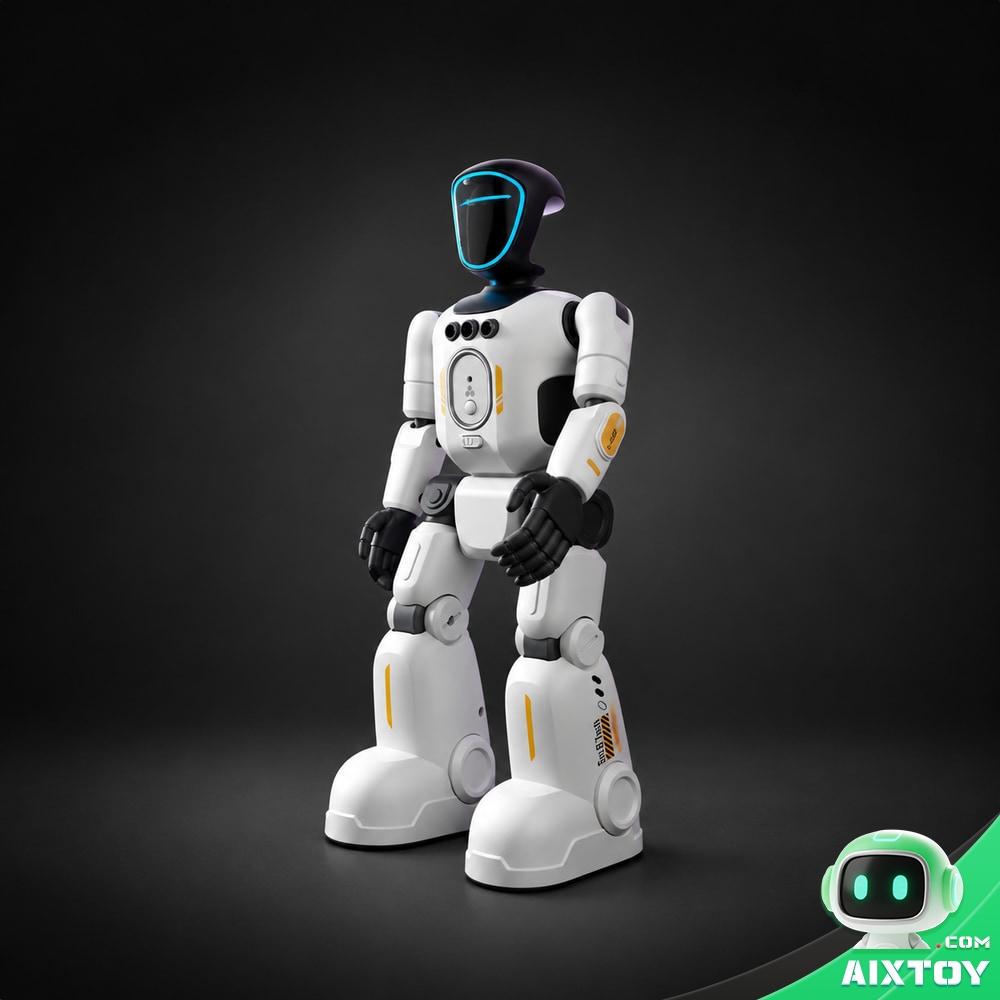
🥈 AI Programmable Smart Mechanical Dog
$79.00
Voice-controlled RC robot pet with lifelike movements. An affordable entry into robotics — fun, interactive, and surprisingly smart.
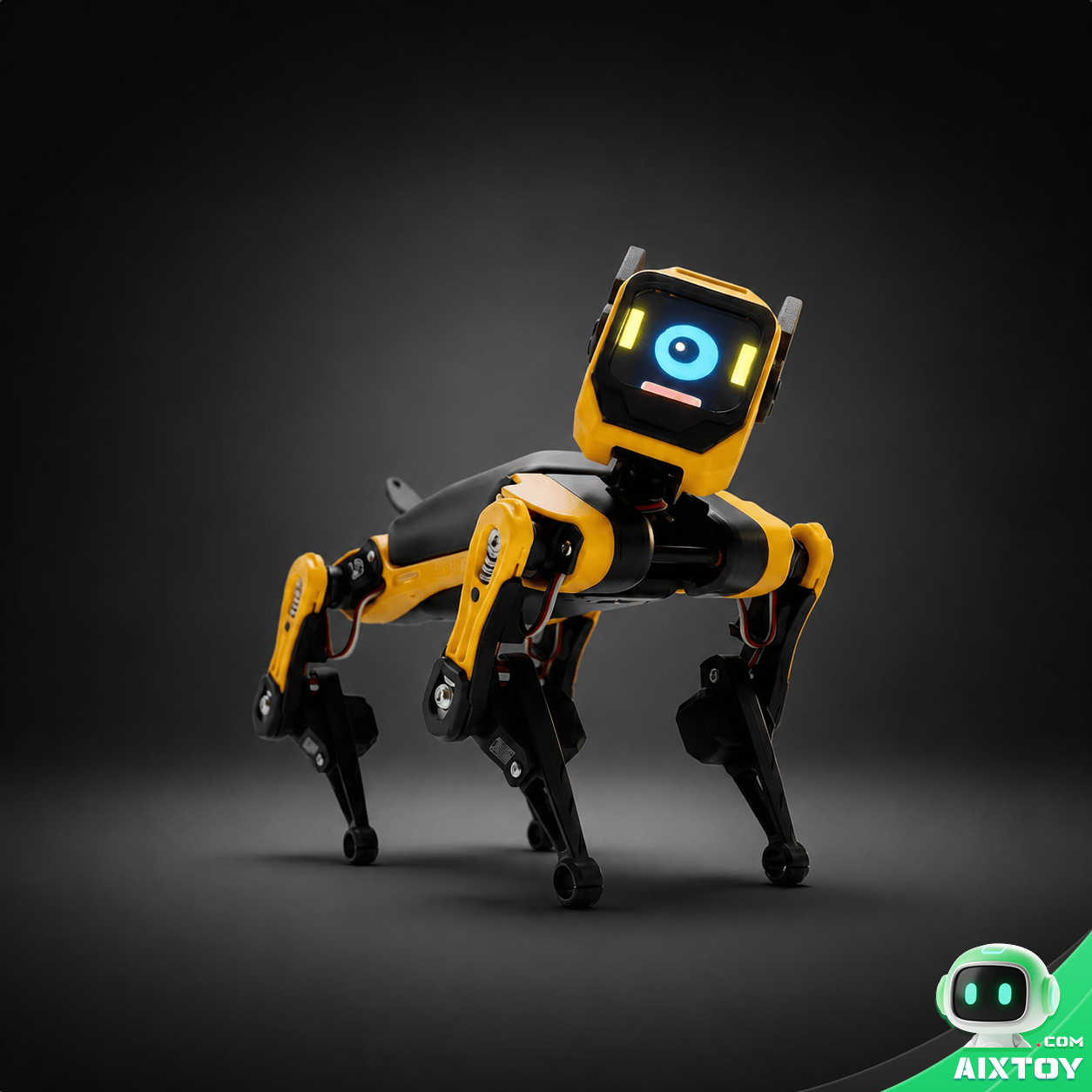
At just $79, this voice-controlled mechanical dog is one of the most accessible ways to get started with robotics. Its responsive app interface and lifelike movements create an emotional connection that keeps kids engaged. A smart choice for parents who want to test the AI toy waters without a big upfront investment. See the Smart Mechanical Dog in detail.
🥉 For DIY Makers: Open Source 3D Printable Robot Dog Lulu
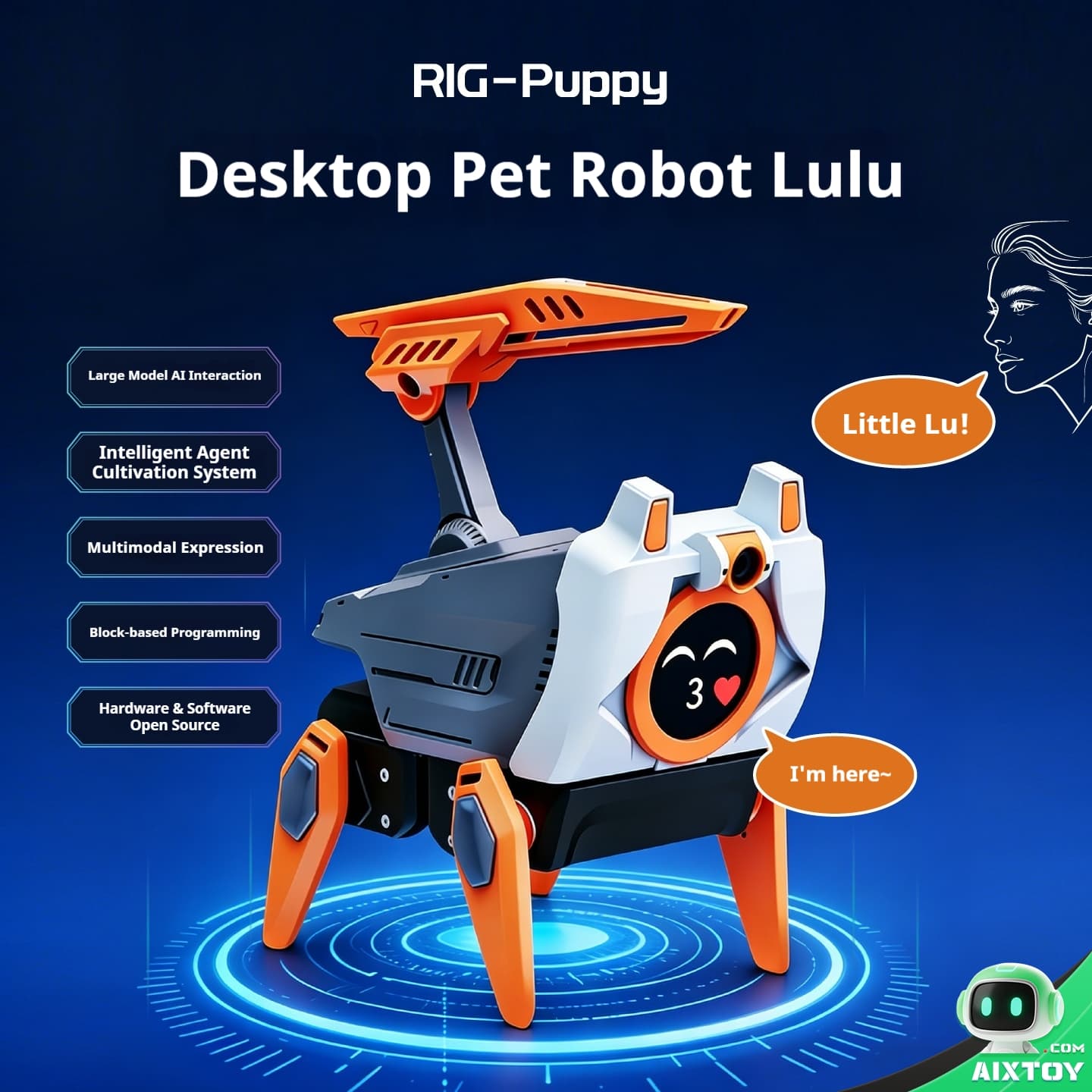
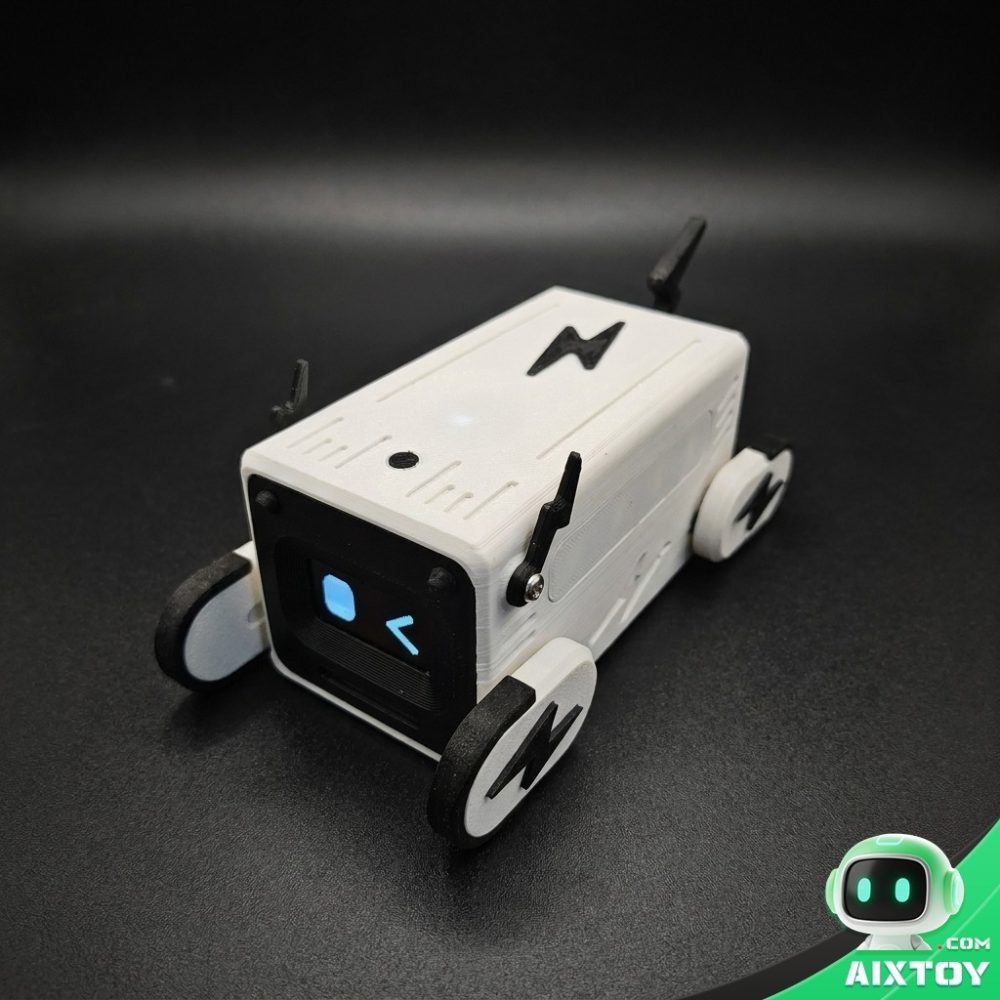
🥉 Open Source 3D Printable Robot Dog Lulu
$149.00
Fully open-source DIY companion kit with modular design. Build, customize, and program your own AI robot dog — an endless creative platform.
Lulu embodies the maker spirit — every component is designed to be understood, modified, and improved. Print replacement parts on your own 3D printer, experiment with custom attachments, and dive into the open-source codebase. It’s a robot that teaches mechanical engineering, electronics, and programming all in one package. Discover the Lulu DIY Companion Kit.
🏅 For Advanced Programmers: Self-Balancing AI Robot Rider-Pi
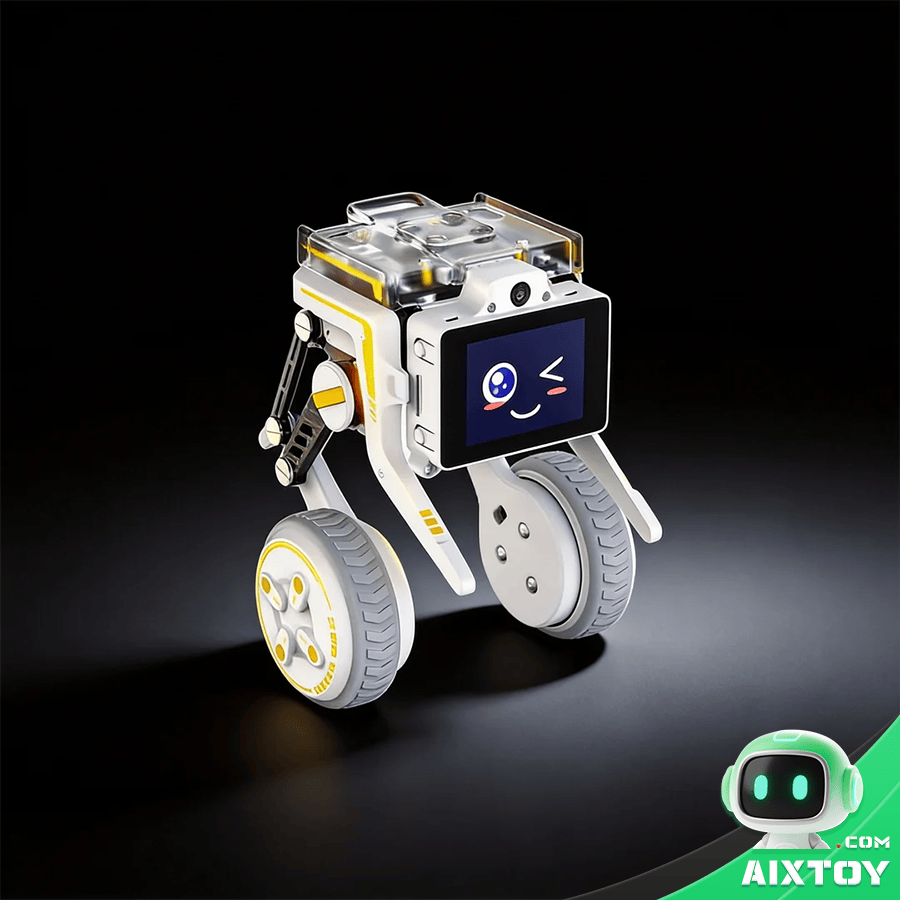
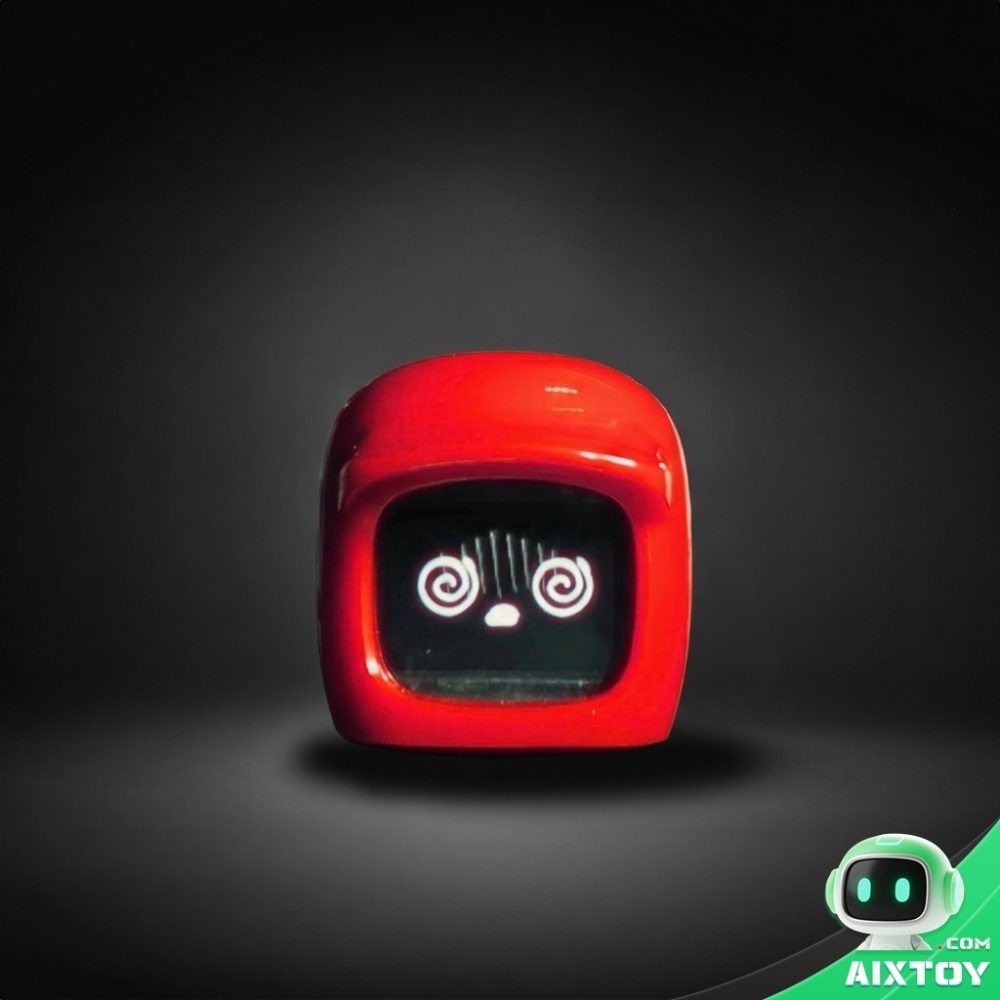
🏅 Self-Balancing AI Robot Rider-Pi
$499.00
Raspberry Pi 5 robot with computer vision and autonomous navigation. A powerful platform for exploring advanced robotics and machine learning.
The Rider-Pi is a serious robotics platform. Powered by the Raspberry Pi 5, it balances autonomously, recognizes objects through its camera, and supports full Python programming with computer vision libraries. This one is for teenagers ready to go beyond block coding and into real-world AI development. Explore the Rider-Pi robotics platform.
🎖 For Serious Learners: Embodied AI Robot Dog Bittle X
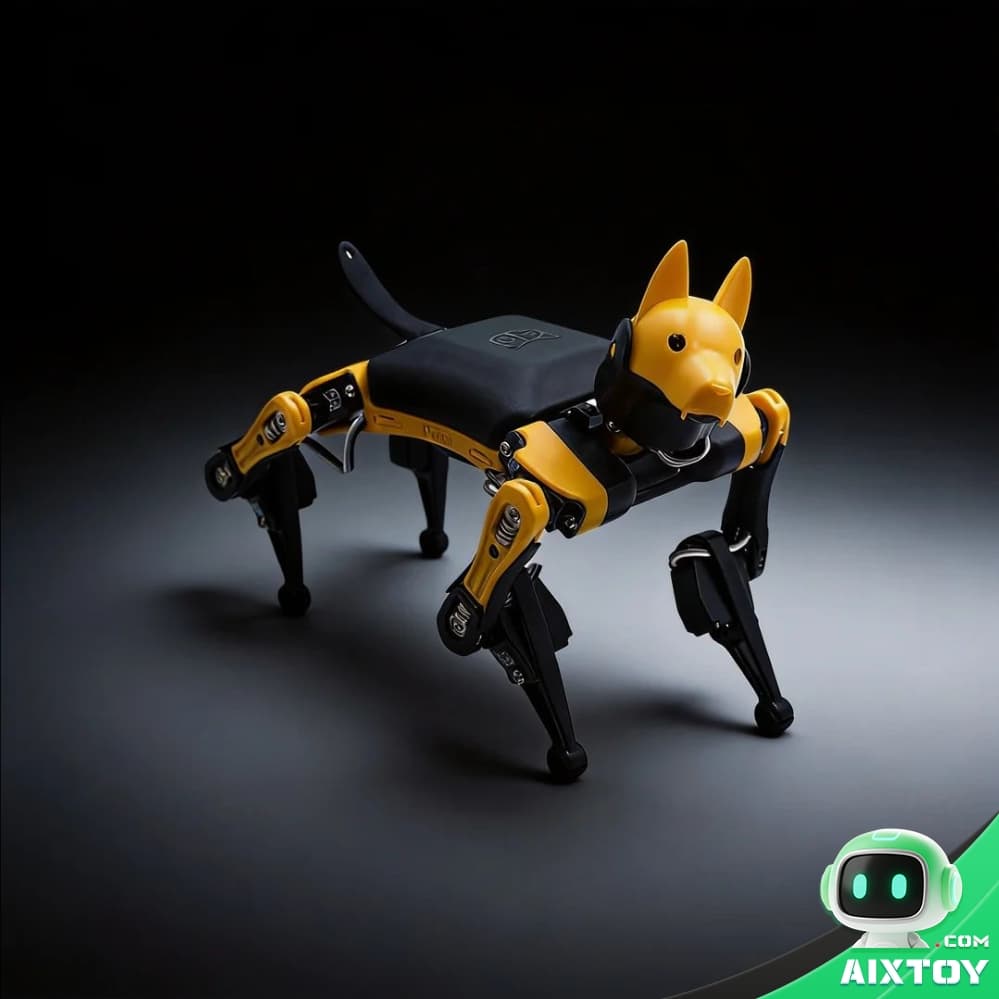
🎖 Embodied AI Robot Dog Bittle X
$381.00
Open-source bionic quadruped with graphical programming. Arduino & Raspberry Pi compatible — ideal for studying bionic robotics in depth.
Bittle X is a miniature bionic research platform. With its ESP32 brain, 3D-printable body, and support for Arduino, Raspberry Pi, and custom sensors, it bridges the gap between educational robotics and professional-grade development. The graphical programming interface keeps it approachable, while C++/Python depth offers years of learning headroom. See the Bittle X open-source robot dog.
A Weekend Project: Getting Started with Your First AI Robot
Once you have chosen your robot, here is a simple weekend project to kickstart the learning journey:
- Unbox and explore — Let your child discover each component naturally. Name the robot together.
- Run the demo — Most AI robot toys come with pre-loaded behaviors. Watch them together.
- First program — Using the companion app, create a simple sequence: move forward, turn, wave.
- Add a sensor challenge — Program the robot to react to sound, light, or touch.
- Build an obstacle course — Use household items to create a path and navigate autonomously.
For more project ideas, browse our open-source programmable robots collection and check the community resources included with each kit.
Building Skills Together as a Family
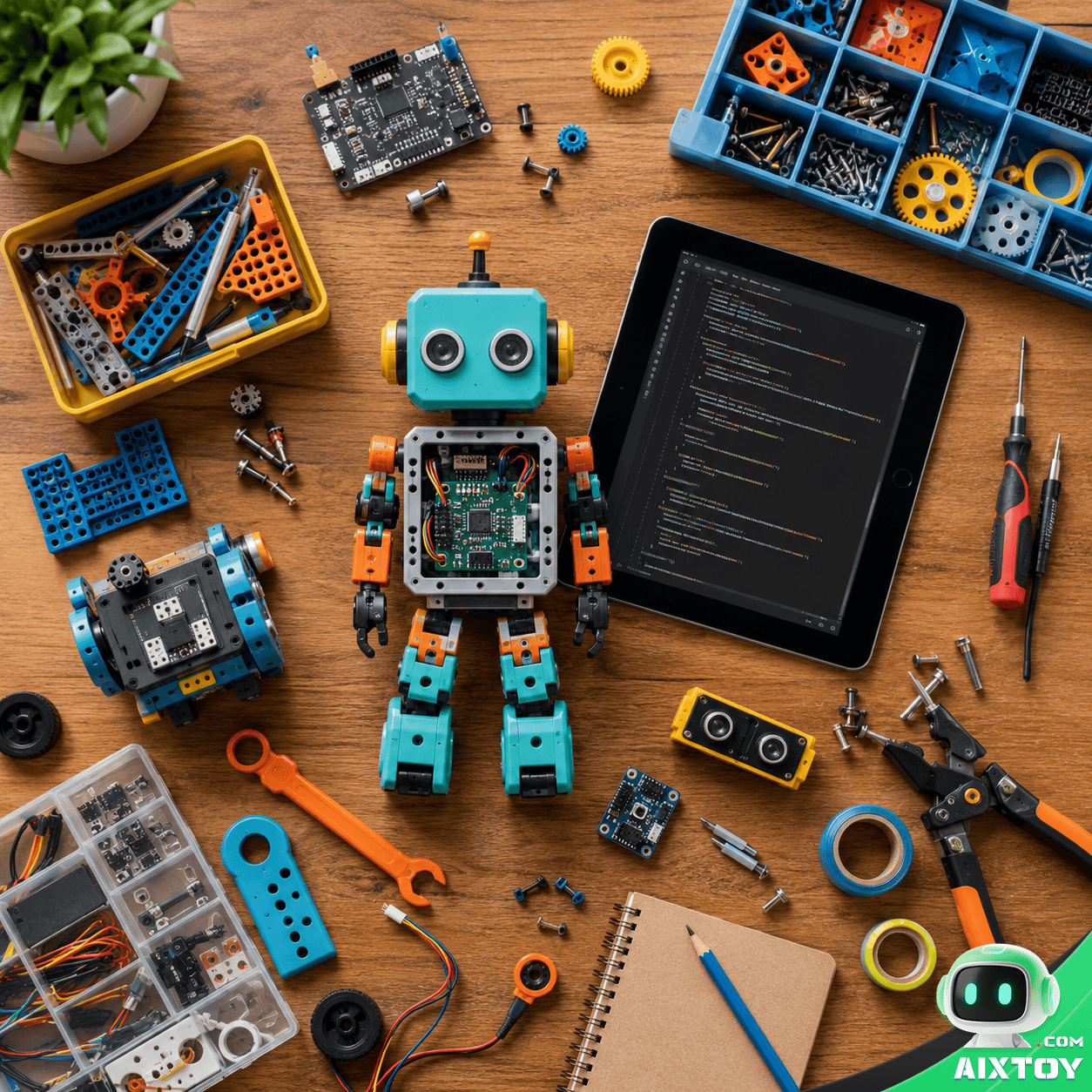
One of the most rewarding aspects of AI robot toys is their ability to turn screen time into shared family time. When parents and children sit together to debug a program, assemble a robot chassis, or design a new behavior, something remarkable happens: the child sees the adult learning alongside them, modeling curiosity and persistence.
At AIXTOY, we believe that building skills together as a family is the foundation of lasting learning. That’s why we curate products that are not just toys but platforms for shared discovery. Whether you are a parent new to coding, a teacher building a STEM curriculum, or a maker looking for your next challenge — we have options worth exploring.
🚀 Ready to Start Your AI Robot Adventure?
The world of AI robot toys has never been more exciting. From $79 voice-controlled companions to $499 computer vision platforms, there is something for every family. The skills your child develops today — coding, critical thinking, creative problem-solving — are the superpowers of tomorrow’s world.
Have questions about which robot might suit your child’s age and skill level? Reach out to our team — we’re happy to help.
💡 Want more inspiration and the latest AI toy discoveries? Bookmark the AIXTOY Blog — we share new finds and project ideas regularly.
Tags:AI Robot ToyAI Toy GuideAIXTOYBest Robot Toys 2026DIY Robot KitFamily STEMInteractive ToyKids CodingProgrammable RobotSTEM LearningSTEM Toy