


No products added!
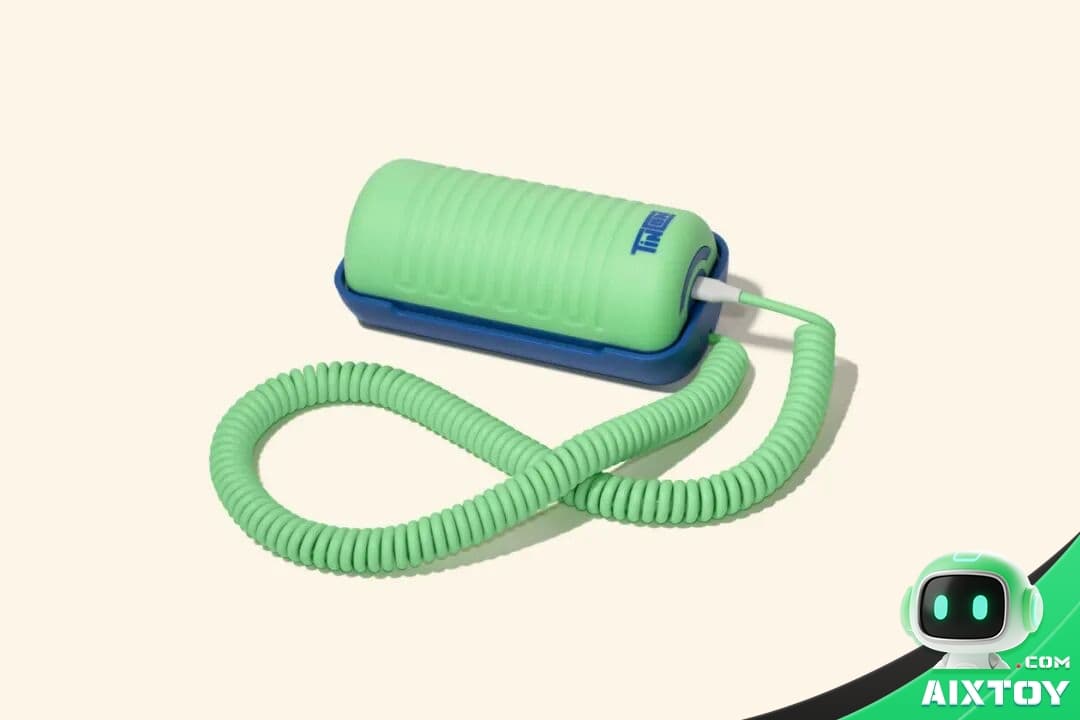
In a year when AI-powered robots and augmented reality headsets dominated tech headlines, a Seattle startup just raised 79682 million to build something radically different: a landline phone. Not a smartphone accessory. Not an app. A physical, voice-only, Wi-Fi-enabled desktop device with a handset, a dial pad, and zero screens. The company is Tin Can, and its mission is almost aggressively simple — give kids a way to talk to the people they love without putting a screen between them.
What Tin Can Actually Is
Tin Can looks like a retro landline phone — the kind most kids today have never seen outside a museum or a grandparents’ house — but it is a thoroughly modern device under the plastic. It connects to Wi-Fi, operates on a private network of Tin Can devices and approved contacts, and requires no smartphone setup from the child. Parents manage the contact list and usage settings through a companion app, but the child’s experience is entirely physical: pick up the handset, dial a number, hear a voice. No notifications. No algorithms. No endless scrolling. Just voice, transmitted between two dedicated devices designed to do exactly one thing.

The Numbers That Matter
The 79682 million seed round was led by Greylock Partners, one of Silicon Valley’s most respected venture firms, with participation from Lateralus Ventures. This is not a Kickstarter experiment or a concept video. This is institutional capital betting on a counter-narrative: that the future of connected devices for kids is not more screens, more AI, and more engagement metrics. It is less. The waitlist tells the same story. Nearly 100,000 families have signed up, and Tin Can’s first two production batches have already sold out — before the product has reached broad retail distribution. Demand is not theoretical. It is already exceeding supply.
The Team Behind the Product
Tin Can was founded by CEO Chet Kittleson, whom GeekWire named an “Uncommon Thinker” and whose background combines consumer hardware experience with a clear thesis about what screens are doing to childhood. The company’s investors include Greylock partner Mike Duboe and Lateralus co-founder David Shuman — investors who do not typically back toy companies but who saw in Tin Can something more fundamental: a category creation play at the intersection of consumer hardware, family technology, and the growing anti-screen movement.
What the Anti-Screen Movement Means for AI Toys
Tin Can is not an AI toy, but its success carries a direct message for the AI toy industry. The emerging anti-screen consumer preference — parents actively seeking devices that do not have displays, do not collect attention metrics, and do not turn children into content consumers — is one of the most underappreciated market forces in connected products for kids. An AI plush toy that requires an iPad to set up is answering a question fewer parents are asking. A desktop robot with a touchscreen is competing in a category where the baseline preference is shifting toward no screen at all.
At AIXTOY, we watch this shift carefully because it changes the design parameters for every AI toy being built today. The products that will thrive in the next five years are not just smarter versions of yesterday’s toys. They are products that understand the screen is a liability, not a feature — and that the most valuable interface is sometimes just a voice, a movement, or a glance. Browse our desktop companions and AI plush toys for products that understand the assignment. Explore the full AIXTOY collection.
Tags:AIXTOYAnti-ScreenDigital DetoxKids TechRetro PhoneScreenless PhoneSeed FundingStartup FundingTin CanVoice-Only Device